Can People of the Same Gotra Marry? The Real Answer
Noopur Kumari | Jun 09, 2026, 15:00 IST
The concept of Gotra is one of the oldest family-identification systems in Hindu tradition. It was designed to trace lineage back to ancient sages and help maintain family distinctions across generations. While religious beliefs emphasize ancestry and family relationships, many people also connect the practice to biological concerns about close genetic relationships. Today, the discussion continues as tradition, science, and modern society intersect in fascinating ways.

Have you ever wondered why many Hindu families still ask about Gotra before discussing marriage? To some, it may seem like an old tradition with little relevance in modern times. Yet this ancient practice has survived for thousands of years. Why? The answer is more fascinating than most people realize. Behind the concept of Gotra lies a unique combination of ancestry, family lineage, social structure, and even ideas that resemble modern genetic principles. The deeper you explore, the more surprising the story becomes.
![Gotra is a traditional Hindu system]()
Long before modern records existed, Gotra served as a family identity system. It connected individuals to ancient sages and helped people understand their lineage. Unlike surnames, which can change over time, Gotra represented a deeper ancestral connection. Families used it to preserve their roots and maintain a clear understanding of their heritage. This system became an important part of social and cultural life, helping communities identify family relationships even across distant regions and generations.
Why
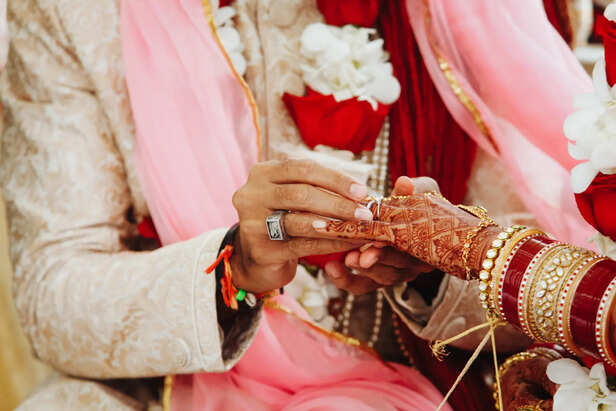
In many Hindu traditions, people belonging to the same Gotra were considered descendants of a common ancestor. Because of this shared lineage, marriage within the same Gotra was often discouraged. The belief was that individuals from the same ancestral line should be treated like members of an extended family. This perspective shaped marriage customs for centuries and influenced social practices across different communities. The goal was to ensure clear family boundaries while preserving traditional values.
![Ancient Rishis and Family Lineages]()
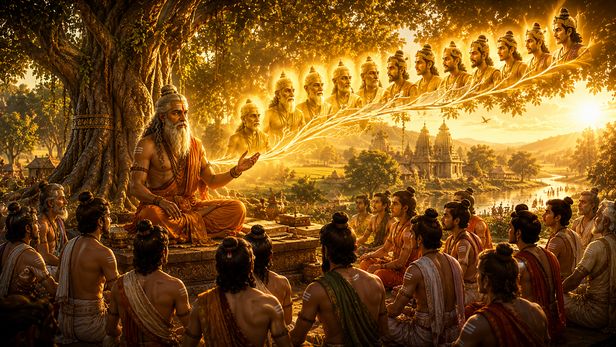
Many people find it fascinating that some traditional marriage rules appear similar to modern concerns about close genetic relationships. Scientific research has shown that repeated marriages among closely related individuals can increase the likelihood of certain inherited conditions. While ancient societies did not possess modern genetic knowledge, they often developed customs aimed at maintaining diversity between family lines. This similarity has led many people to re-examine traditional practices through a modern scientific lens.
![DNA Strand and Family Tree Illustration]()
Many communities traditionally considered more than just a person's own Gotra. Family elders often reviewed lineage connected to the mother, grandmother, and other ancestral lines before approving a marriage. The purpose was to ensure sufficient separation between family branches. These customs varied across regions, but the underlying idea remained similar: preserving distinctions between closely connected families. Such traditions demonstrate how seriously ancestral relationships were considered in marriage decisions.
Some traditional beliefs suggest that after several generations, ancestral connections become distant enough to reconsider marriage restrictions. However, interpretations vary significantly between communities, scholars, and traditions. Some continue to follow stricter rules, while others adopt more flexible approaches. This ongoing debate highlights how cultural practices evolve over time while attempting to balance respect for tradition with changing social realities.
Today's society approaches Gotra differently than previous generations. Urbanization, education, and changing family structures have influenced how people view ancestral customs. Some families continue to follow traditional guidelines strictly, while others place greater emphasis on compatibility, values, and mutual understanding. The discussion has become more nuanced, reflecting the diversity of modern perspectives. Yet the topic remains important because it connects people to their heritage and identity.
Whether viewed through the lens of religion, culture, ancestry, or science, the concept of Gotra reveals humanity's long-standing concern with family relationships and future generations. It reminds us that traditions often emerge for reasons that may not be immediately obvious. Even when societies evolve, understanding the logic behind ancient customs helps preserve cultural knowledge while encouraging thoughtful discussion. The true value lies not only in following traditions but also in understanding why they were created.
Unlock insightful tips and inspiration on personal growth, productivity, and well-being. Stay motivated and updated with the latest at My Life XP.
1. What is a Gotra?
Gotra is a traditional Hindu system that traces a person's lineage to an ancient sage or ancestral family line.
2. Why do some Hindu communities avoid same Gotra marriages?
Many traditions consider people of the same Gotra to share a common ancestral lineage, making them part of the same extended family.
3. Is the Gotra system mentioned in ancient texts?
Yes, references to Gotra and ancestral lineages appear in several Hindu scriptures and traditional genealogical systems.
4. Does science support avoiding close-family marriages?
Modern genetics recognizes that marriages between closely related individuals can increase the risk of certain inherited disorders.
5. Is same Gotra marriage legal in India?
Marriage laws vary by community and personal law. In many places, same Gotra marriages are legally valid, though cultural acceptance differs.
The Ancient Identity Beyond a Surname
Gotra is a traditional Hindu system
Long before modern records existed, Gotra served as a family identity system. It connected individuals to ancient sages and helped people understand their lineage. Unlike surnames, which can change over time, Gotra represented a deeper ancestral connection. Families used it to preserve their roots and maintain a clear understanding of their heritage. This system became an important part of social and cultural life, helping communities identify family relationships even across distant regions and generations.
Why Same Gotra Was Often Avoided
The Connection That Resembles Modern Genetics
Ancient Rishis and Family Lineages
Many people find it fascinating that some traditional marriage rules appear similar to modern concerns about close genetic relationships. Scientific research has shown that repeated marriages among closely related individuals can increase the likelihood of certain inherited conditions. While ancient societies did not possess modern genetic knowledge, they often developed customs aimed at maintaining diversity between family lines. This similarity has led many people to re-examine traditional practices through a modern scientific lens.
The Rule of Three Gotras

DNA Strand and Family Tree Illustration
Many communities traditionally considered more than just a person's own Gotra. Family elders often reviewed lineage connected to the mother, grandmother, and other ancestral lines before approving a marriage. The purpose was to ensure sufficient separation between family branches. These customs varied across regions, but the underlying idea remained similar: preserving distinctions between closely connected families. Such traditions demonstrate how seriously ancestral relationships were considered in marriage decisions.
The Debate Around Seven Generations
What Modern Society Thinks Today
The Larger Lesson Behind Gotra
Unlock insightful tips and inspiration on personal growth, productivity, and well-being. Stay motivated and updated with the latest at My Life XP.
Frequently Asked Questions (FAQs)
Gotra is a traditional Hindu system that traces a person's lineage to an ancient sage or ancestral family line.
2. Why do some Hindu communities avoid same Gotra marriages?
Many traditions consider people of the same Gotra to share a common ancestral lineage, making them part of the same extended family.
3. Is the Gotra system mentioned in ancient texts?
Yes, references to Gotra and ancestral lineages appear in several Hindu scriptures and traditional genealogical systems.
4. Does science support avoiding close-family marriages?
Modern genetics recognizes that marriages between closely related individuals can increase the risk of certain inherited disorders.
5. Is same Gotra marriage legal in India?
Marriage laws vary by community and personal law. In many places, same Gotra marriages are legally valid, though cultural acceptance differs.