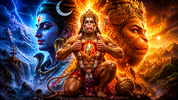
How Krishna Tamed 7 Wild Bulls Without a Fight
Noopur Kumari | Jun 09, 2026, 08:00 IST
Princess Satyā, also known as Nagnajiti, was known throughout the kingdom for her beauty and virtue. But her marriage would not be decided by wealth, status, or royal lineage. Her father announced a challenge unlike any other: whoever could tame seven powerful and uncontrollable bulls would win her hand in marriage. Many warriors tried and failed. Then Krishna arrived, and what followed became one of the most fascinating stories in his life.

Most people know Lord Krishna as the divine flute player, the strategist of the Mahabharata, and the beloved of Vrindavan. But few know about a remarkable challenge that tested not only his strength but also his wisdom and self-control. It involved seven ferocious bulls, a determined princess, and a contest that left mighty princes defeated. What happened next revealed a side of Krishna that continues to inspire devotees even today.
![Princess Satyā at Her Royal Swayamvara]()
Princess Satyā was admired across kingdoms, and many princes wished to marry her. Yet her father, King Nagnajit, wanted a groom whose character matched his daughter's greatness. To ensure this, he announced an extraordinary test. The candidate would have to control seven fierce bulls known for their unmatched strength and wild nature. The challenge immediately attracted powerful warriors, but it also revealed a deeper truth: true worth is proven through action, not titles. As news spread across kingdoms, hopeful princes gathered, unaware of how impossible the task would prove to be.
![The Seven Untamed Bulls]()
These were not ordinary animals. The seven bulls were known for their aggression, speed, and immense power. Many warriors entered the arena with confidence, believing victory would be easy. Within moments, that confidence disappeared. Some were thrown aside, while others retreated in fear. The bulls seemed impossible to control. One by one, challengers failed. The spectacle shocked the crowd and increased the princess's curiosity. Was there truly anyone capable of succeeding? As disappointment spread through the kingdom, a new challenger quietly approached the arena.
![Krishna Entering the Arena]()
When Krishna arrived, he did not display arrogance or boast about his abilities. Unlike previous contestants, he approached the challenge with complete calmness. The crowd expected another failure, but Krishna's confidence came from a different source. He understood that real power is not measured by force alone. While others focused on conquering the bulls, Krishna focused on mastering the situation. His quiet confidence stood in sharp contrast to the fear and frustration that had filled the arena throughout the day.
According to traditional accounts, Krishna used his divine abilities to confront all seven bulls simultaneously. Some versions describe him manifesting multiple forms, allowing him to handle each bull at the same time. What amazed the spectators most was not violence but control. The bulls, once uncontrollable, became calm under Krishna's command. The crowd watched in disbelief as the impossible unfolded before their eyes. The challenge that had defeated countless warriors was completed with remarkable ease, revealing the extraordinary nature of Krishna's divine power.
At first glance, the story appears to be about physical strength. But its deeper message is far more meaningful. The seven bulls symbolize powerful forces that often run wild within human life anger, ego, fear, greed, attachment, impatience, and pride. Krishna's victory reminds devotees that true greatness comes from mastering these inner challenges. External victories may earn admiration, but inner mastery creates lasting peace. This deeper interpretation is one reason the story continues to inspire spiritual seekers centuries later.
After Krishna successfully completed the challenge, King Nagnajit joyfully honored his promise. Princess Satyā was married to Krishna in a grand ceremony celebrated throughout the kingdom. The event marked more than the end of a competition. It symbolized the reward that follows courage, patience, and righteousness. The princess had sought a worthy husband, and the kingdom witnessed a victory unlike any other. The marriage became one of the many significant chapters in Krishna's extraordinary life.
The story of Krishna and the seven bulls continues to resonate because its message is timeless. Every person faces challenges that seem impossible to overcome. Like the princes who stood before the bulls, people often rely solely on force or determination. Krishna's example teaches a different approach balance, wisdom, patience, and inner strength. The greatest battles are often fought within ourselves. When those battles are won, even the most intimidating obstacles begin to lose their power.
Unlock insightful tips and inspiration on personal growth, productivity, and well-being. Stay motivated and updated with the latest at My Life XP.
1. Who was Princess Satyā in Krishna's life?
Princess Satyā, also known as Nagnajiti, was one of the principal queens of Lord Krishna. She was the daughter of King Nagnajit and became Krishna's wife after he successfully completed the challenge of taming seven wild bulls.
2. Why is Satyā also called Nagnajiti?
The name Nagnajiti means "daughter of Nagnajit." Since her father was King Nagnajit, she became widely known by this name in many Hindu scriptures and traditions.
3. What was the challenge in Satyā's swayamvara?
King Nagnajit declared that whoever could control seven extremely powerful and untamed bulls would win the hand of Princess Satyā in marriage. The challenge was considered nearly impossible.
4. Did other princes attempt the challenge?
Yes. Many kings, princes, and warriors tried to tame the seven bulls. However, none of them succeeded, and many were defeated by the animals' immense strength.
5. How did Lord Krishna tame the seven bulls?
According to traditional accounts, Krishna used his divine power and extraordinary skill to control all seven bulls. Some scriptures describe him manifesting multiple forms to subdue them simultaneously.
The Princess Who Refused an Easy Marriage
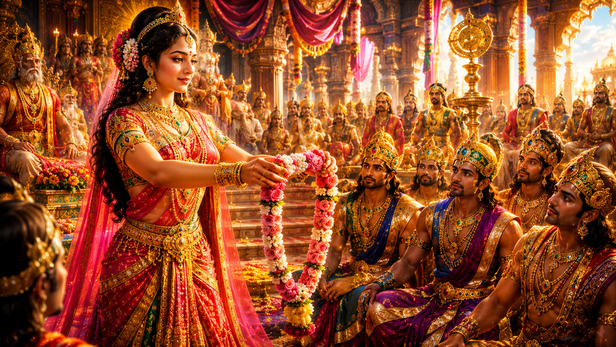
Princess Satyā at Her Royal Swayamvara
Princess Satyā was admired across kingdoms, and many princes wished to marry her. Yet her father, King Nagnajit, wanted a groom whose character matched his daughter's greatness. To ensure this, he announced an extraordinary test. The candidate would have to control seven fierce bulls known for their unmatched strength and wild nature. The challenge immediately attracted powerful warriors, but it also revealed a deeper truth: true worth is proven through action, not titles. As news spread across kingdoms, hopeful princes gathered, unaware of how impossible the task would prove to be.
Seven Bulls That Terrified Every Warrior
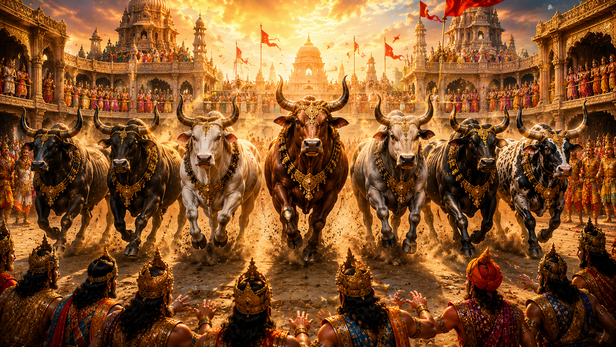
The Seven Untamed Bulls
These were not ordinary animals. The seven bulls were known for their aggression, speed, and immense power. Many warriors entered the arena with confidence, believing victory would be easy. Within moments, that confidence disappeared. Some were thrown aside, while others retreated in fear. The bulls seemed impossible to control. One by one, challengers failed. The spectacle shocked the crowd and increased the princess's curiosity. Was there truly anyone capable of succeeding? As disappointment spread through the kingdom, a new challenger quietly approached the arena.
Krishna's Unexpected Arrival
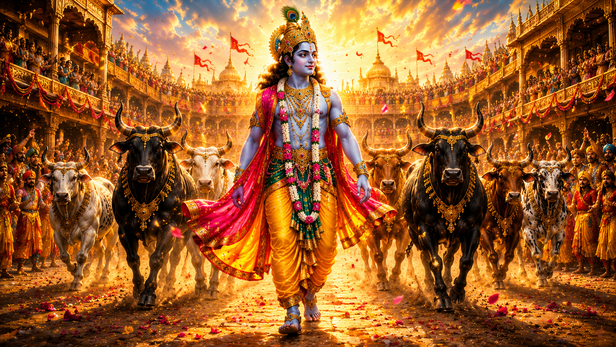
Krishna Entering the Arena
When Krishna arrived, he did not display arrogance or boast about his abilities. Unlike previous contestants, he approached the challenge with complete calmness. The crowd expected another failure, but Krishna's confidence came from a different source. He understood that real power is not measured by force alone. While others focused on conquering the bulls, Krishna focused on mastering the situation. His quiet confidence stood in sharp contrast to the fear and frustration that had filled the arena throughout the day.
The Moment Everything Changed
Why This Story Is More Than a Display of Strength
The Wedding That Followed
The Timeless Lesson Hidden in the Story
Unlock insightful tips and inspiration on personal growth, productivity, and well-being. Stay motivated and updated with the latest at My Life XP.
Frequently Asked Questions (FAQs)
Princess Satyā, also known as Nagnajiti, was one of the principal queens of Lord Krishna. She was the daughter of King Nagnajit and became Krishna's wife after he successfully completed the challenge of taming seven wild bulls.
2. Why is Satyā also called Nagnajiti?
The name Nagnajiti means "daughter of Nagnajit." Since her father was King Nagnajit, she became widely known by this name in many Hindu scriptures and traditions.
3. What was the challenge in Satyā's swayamvara?
King Nagnajit declared that whoever could control seven extremely powerful and untamed bulls would win the hand of Princess Satyā in marriage. The challenge was considered nearly impossible.
4. Did other princes attempt the challenge?
Yes. Many kings, princes, and warriors tried to tame the seven bulls. However, none of them succeeded, and many were defeated by the animals' immense strength.
5. How did Lord Krishna tame the seven bulls?
According to traditional accounts, Krishna used his divine power and extraordinary skill to control all seven bulls. Some scriptures describe him manifesting multiple forms to subdue them simultaneously.