Why Rahul Gandhi Called This Teen a Hero of India's Youth
Noopur Kumari | Jun 09, 2026, 10:00 IST
An ordinary student. A simple question. A powerful system. When Sarthak Sidhant began examining the CBSE On-Screen Marking system, he never expected his findings to reach Parliament. Yet his investigation raised serious concerns, prompted official inquiries, and attracted national attention. As political leaders, education experts, and students joined the conversation, one question emerged: Can a single determined student change an entire system? The answer may surprise you.

Most people assume that large examination systems are too powerful to question. After all, millions of students depend on them every year. But what happens when a teenager notices something that doesn't seem right? That question led 18-year-old Sarthak Sidhant on a journey that would spark national debate, trigger parliamentary discussions, and force authorities to take a closer look at one of India's most important examination systems. What started as a simple doubt soon became a story about courage, persistence, and the power of asking questions.
Many major controversies begin with a simple question. For Sarthak, it started when he noticed inconsistencies related to the CBSE evaluation process. Instead of ignoring his concerns, he decided to investigate further. While most students move on after exams, he chose a different path. He collected information, studied the system carefully, and continued asking difficult questions. What seemed like a small concern gradually grew into an issue that attracted attention far beyond classrooms. His determination proved that curiosity can sometimes uncover problems hidden in plain sight.
!['Youth in depression, PM busy eating Melody': Rahul Gandhi]()
Few students ever imagine speaking before a parliamentary committee. Yet Sarthak's findings became significant enough to reach lawmakers. During committee discussions, concerns surrounding the On-Screen Marking system were examined in detail. Officials were questioned, explanations were sought, and the issue received national visibility. The development demonstrated how evidence and persistence can elevate a concern from an individual complaint to a matter of public interest. What began as a student's investigation had now become part of a larger conversation about transparency and accountability in education.
The story resonated because it challenged common assumptions. Many people believe that only large organizations, media houses, or government agencies can uncover significant issues. Yet here was a teenager drawing attention to concerns within a major national institution. The contrast was powerful. Students, parents, and educators across the country followed developments closely. The case highlighted an important reality: meaningful questions can come from anywhere. Sometimes fresh perspectives identify issues that established systems overlook, making this story both surprising and inspiring.
As public attention grew, authorities announced further examination of procurement-related aspects linked to the marking system. A formal inquiry committee was established to review key concerns and submit findings. Such actions signaled that the issue was being taken seriously at multiple levels. Administrative changes within CBSE added another layer to the unfolding story. For many observers, these developments transformed the controversy from a debate into a moment of institutional reflection, where questions raised by students were now influencing official processes.
Beyond politics and headlines, the controversy carries a deeper message. Progress often begins when someone refuses to accept uncertainty without seeking answers. Sarthak's actions remind young people that curiosity has value. Asking questions is not about creating conflict; it is about understanding how systems work and whether they can improve. Educational institutions become stronger when feedback is welcomed and concerns are examined honestly. In many ways, the story is less about one controversy and more about the importance of civic participation and informed inquiry.
The most powerful aspect of this story is that it offers a practical lesson for students. Sarthak did not rely on influence or authority. He relied on observation, research, and persistence. Rather than making assumptions, he gathered information and presented his concerns systematically. This approach demonstrates how young people can engage constructively with institutions. Whether the issue involves education, technology, or public policy, meaningful change often begins with careful investigation and responsible action rather than loud opinions alone.
Across India, a new generation is becoming more informed, connected, and willing to engage with important issues. The story of Sarthak and Nisarga reflects this larger trend. Young citizens today have access to information and tools that allow them to participate in national conversations like never before. Their questions are shaping debates, influencing policies, and encouraging greater transparency. Whether this controversy leads to major reforms or not, it has already delivered one clear message: informed youth can no longer be ignored.
Unlock insightful tips and inspiration on personal growth, productivity, and well-being. Stay motivated and updated with the latest at My Life XP.
1. Who is Sarthak Sidhant?
Sarthak Sidhant is an 18-year-old student who raised concerns about alleged discrepancies in CBSE's On-Screen Marking (OSM) system, bringing national attention to the issue.
2. What is the CBSE OSM system?
OSM (On-Screen Marking) is a digital evaluation system used by CBSE to assess students' answer sheets electronically.
3. Why is Sarthak's discovery making headlines?
His findings led to discussions in Parliament, an official inquiry, and widespread debate about transparency and accountability in the examination process.
4. Why did Rahul Gandhi praise Sarthak?
Rahul Gandhi described Sarthak's efforts as a "victory of youth," praising him for questioning the system and bringing the issue into the public spotlight.
5. What concerns were raised about the OSM system?
The concerns involved alleged irregularities related to the evaluation and re-evaluation process, prompting demands for a closer examination of the system.
When a Doubt Refused to Stay Silent
सार्थक 18 साल का है - पर सोच, साहस और सिद्धांत में किसी से कम नहीं।
— Rahul Gandhi (@RahulGandhi) June 7, 2026
उसने और उसके साथी निसर्ग ने वो कर दिखाया जो देश के बड़े मीडिया हाउस, खोजी पत्रकार नहीं कर पाए - CBSE और COEMPT की मिलीभगत को देश के सामने रख दिया।
मोदी जी चाहते हैं हमारे युवा reels बनाते रहें, पकौड़े तलते… pic.twitter.com/vjNNVItc2q
Many major controversies begin with a simple question. For Sarthak, it started when he noticed inconsistencies related to the CBSE evaluation process. Instead of ignoring his concerns, he decided to investigate further. While most students move on after exams, he chose a different path. He collected information, studied the system carefully, and continued asking difficult questions. What seemed like a small concern gradually grew into an issue that attracted attention far beyond classrooms. His determination proved that curiosity can sometimes uncover problems hidden in plain sight.
The Discovery That Reached Parliament
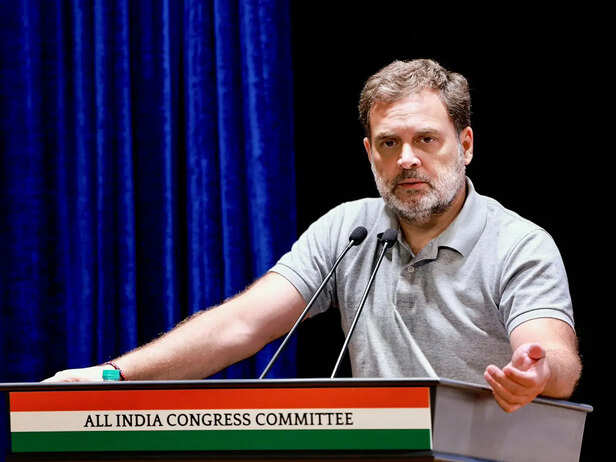
'Youth in depression, PM busy eating Melody': Rahul Gandhi
Few students ever imagine speaking before a parliamentary committee. Yet Sarthak's findings became significant enough to reach lawmakers. During committee discussions, concerns surrounding the On-Screen Marking system were examined in detail. Officials were questioned, explanations were sought, and the issue received national visibility. The development demonstrated how evidence and persistence can elevate a concern from an individual complaint to a matter of public interest. What began as a student's investigation had now become part of a larger conversation about transparency and accountability in education.
Why This Story Captured National Attention
The Inquiry That Changed Everything
The Bigger Lesson Hidden in the Controversy
What Students Can Learn From Sarthak's Journey
A New Era of Youth Voices
Unlock insightful tips and inspiration on personal growth, productivity, and well-being. Stay motivated and updated with the latest at My Life XP.
Frequently Asked Questions (FAQs)
Sarthak Sidhant is an 18-year-old student who raised concerns about alleged discrepancies in CBSE's On-Screen Marking (OSM) system, bringing national attention to the issue.
2. What is the CBSE OSM system?
OSM (On-Screen Marking) is a digital evaluation system used by CBSE to assess students' answer sheets electronically.
3. Why is Sarthak's discovery making headlines?
His findings led to discussions in Parliament, an official inquiry, and widespread debate about transparency and accountability in the examination process.
4. Why did Rahul Gandhi praise Sarthak?
Rahul Gandhi described Sarthak's efforts as a "victory of youth," praising him for questioning the system and bringing the issue into the public spotlight.
5. What concerns were raised about the OSM system?
The concerns involved alleged irregularities related to the evaluation and re-evaluation process, prompting demands for a closer examination of the system.