
3 Simple Diwali Rituals for Goddess Lakshmi's Blessings
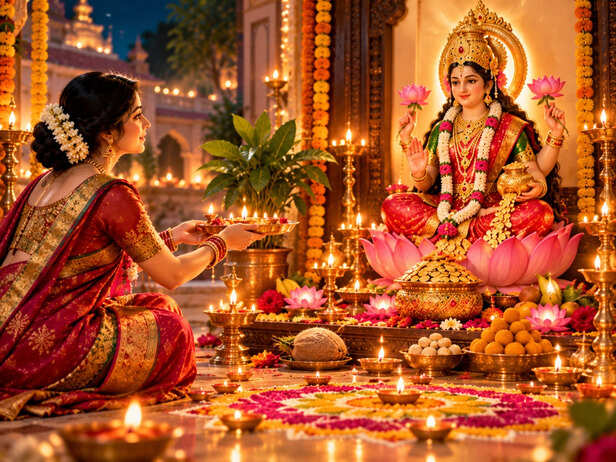
What if one of the most meaningful Diwali traditions is not about buying gold or expensive gifts, but about sitting together and offering a prayer? Kanakdhara Stotram, a Sanskrit hymn associated with Adi Shankaracharya and Goddess Lakshmi, holds a special place in Hindu devotional tradition. Some families choose to recite it on Diwali night and offer an amla, or Indian gooseberry, to the goddess. The practice carries a message that goes beyond material wealth: prosperity is also about gratitude, family, faith and the hope for a more secure future.
The Diwali Prayer for Prosperity
Diwali is closely associated with Goddess Lakshmi, who is worshipped as the goddess of wealth and prosperity. While many households perform Lakshmi Puja, some families also recite Kanakdhara Stotram to seek her blessings. According to popular Hindu tradition, chanting this hymn expresses a prayer for abundance, well-being and relief from financial difficulties. Some devotees recommend reciting it with the entire family, making the prayer a shared moment of faith. However, no religious ritual can guarantee that financial problems will disappear by the next Diwali. Its value lies in devotion, hope and the intention to build a more secure life.
Why Adi Shankaracharya Is Connected to It
Kanakdhara Stotram is traditionally associated with Adi Shankaracharya, the revered Hindu philosopher and spiritual teacher. According to a popular devotional story, he once received an offering of an amla from a woman living in poverty. Moved by her generosity despite her limited means, he composed a hymn in praise of Goddess Lakshmi. The story connects the prayer with compassion, giving and divine grace. Although versions of the account vary, its central message remains meaningful: generosity is not measured by how much a person owns, but by the sincerity with which they give.
The Meaning Behind the Amla Offering
Amla, also known as Indian gooseberry, has a special place in several Hindu traditions. It is associated with Amla Navami and other regional customs, although practices differ between communities. In the popular story connected with Kanakdhara Stotram, the fruit represents the woman's humble offering and generous heart. Some devotees also offer amla to Goddess Lakshmi during worship. The practice should be understood as a religious tradition rather than a guaranteed remedy for financial troubles. What makes the offering meaningful is the spirit behind it: expressing gratitude, giving sincerely and remembering that even a simple gift can carry deep personal value.
Why Families Chant It Together
When family members sit together to recite a prayer, the ritual becomes more than an individual act of worship. It creates time to pause, reflect and share a common intention for the household. Some devotees recommend reciting Kanakdhara Stotram 11 times on Diwali night. This is a devotional recommendation, not a compulsory rule. If everyone cannot participate, one willing family member can recite the hymn instead. Women are sometimes described as manifestations of household Lakshmi in popular religious expressions, but the responsibility for family prosperity does not rest on women alone. Every family member can contribute to a peaceful and supportive home.
What to Do on Diwali Night
If you want to include this tradition in your Diwali celebrations, keep the ritual simple. Clean your prayer space, light a diya safely and place flowers before an image or idol of Goddess Lakshmi. Recite Kanakdhara Stotram at a comfortable pace, following a reliable text or recording if you are unfamiliar with the Sanskrit verses. You may offer a fresh amla as part of your family's tradition. If you choose to chant the hymn 11 times, allow enough time to do so without rushing. There is no need to feel guilty if you cannot complete the suggested repetitions.
Can This Prayer Solve Financial Problems?
The belief that Kanakdhara Stotram brings prosperity offers comfort to many devotees, but it should not be treated as a promise that debt, low income or other financial problems will disappear. Prayer can help people find calm, reflect on their priorities and approach difficulties with renewed hope. Practical steps matter just as much. Families can review their monthly expenses, avoid unnecessary borrowing, build savings gradually and discuss financial goals openly. Combining a meaningful spiritual practice with responsible financial decisions gives the tradition a practical place in everyday life. Faith can offer encouragement, while consistent action helps turn financial goals into achievable plans.
Make Gratitude Part of Your Tradition
Diwali is often associated with new purchases, decorations and celebrations, but its spiritual meaning can also be found in quieter moments. Reciting Kanakdhara Stotram, offering amla and praying together can become a family tradition rooted in gratitude rather than fear or expectation. You do not need an elaborate arrangement or a fixed number of repetitions to make the moment meaningful. Approach the prayer with sincerity, respect your family's customs and remember that prosperity includes health, supportive relationships, peace of mind and financial stability. This Diwali, let the prayer be a reminder to seek blessings while also taking thoughtful steps towards the life you want to build.
Facing repeated career and financial challenges? Your name energy may be influencing it. Check here.
Unlock insightful tips and inspiration on personal growth, productivity, and well-being. Stay motivated and updated with the latest at My Life XP