
5 Krishna-Linked Things to Bring Home This Janmashtami
What if the most meaningful part of Janmashtami is not just decorating the puja room, but choosing symbols that carry a deeper connection with Lord Krishna? Krishna Janmashtami 2026 will be celebrated on September 4, and devotees will observe the festival with fasting, bhajans, midnight worship and special bhog. Many families also bring Krishna-related items into their homes on this occasion. From the peacock feather to Tulsi and Laddu Gopal, each has a distinct place in Krishna devotion. Here are five traditional choices and the spiritual meaning behind them.
Peacock Feather
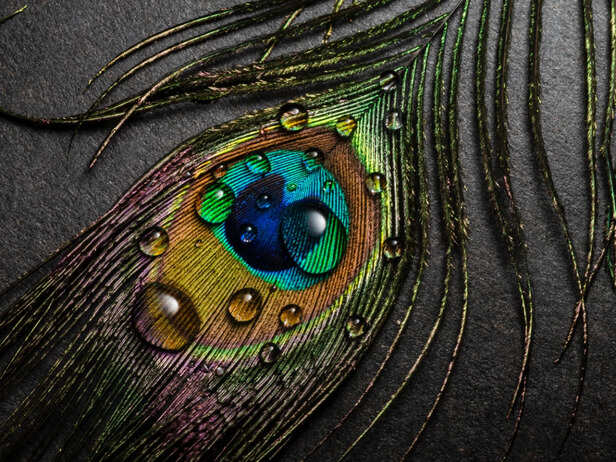
The peacock feather is perhaps the first image that comes to mind when we think of Krishna. He is traditionally depicted wearing it in his crown, making it a beloved symbol among devotees. Bringing a clean peacock feather or a decorative Krishna-inspired piece into the puja space can serve as a reminder of Krishna’s joyful and graceful nature. From an astrology and spiritual-belief perspective, devotees often associate Krishna-related symbols with positive energy and harmony. More importantly, the feather reminds us to bring beauty, humility and joy into everyday life instead of allowing worries to control the mind.
Krishna’s Flute
Krishna’s flute carries a beautiful spiritual message. It is traditionally understood as a symbol of attraction, love and harmony rather than force. Its hollow form is often interpreted as representing an ego-free state, where a person becomes open to divine guidance. A small wooden flute can be placed near Krishna’s image or Laddu Gopal in the puja area. For couples and families, it can also become a gentle reminder to communicate with patience. The deeper lesson is simple: sometimes peace enters our relationships when we stop trying to control everything and learn to listen with an open heart.
Tulsi Plant
Tulsi has a deeply respected place in Vaishnav tradition and is closely connected with the worship of Lord Krishna and Lord Vishnu. Tulsi leaves are traditionally offered during Krishna puja and used in bhog preparations. Bringing a healthy Tulsi plant home around Janmashtami can therefore become more than a festive decoration. It can encourage a daily connection with prayer and nature. From a traditional spiritual perspective, Tulsi is regarded as sacred and auspicious. If you already have one, caring for it with consistency can itself become a small daily practice of devotion, gratitude and mindfulness.
Cow and Calf Symbol
Krishna’s childhood stories are inseparable from Gokul, cows and the simple pastoral world in which he grew up. He is lovingly known by names such as Gopala and Govinda, reflecting this connection. A small cow-and-calf statue can therefore be placed near a Krishna altar or in a clean area of the home. Traditionally, the symbol is associated with nourishment, affection, family care and gratitude. But there is a more meaningful way to honour it. Feed an animal, help someone dependent on you or support a genuine charitable cause. Devotion becomes more powerful when symbols inspire compassionate action.
Laddu Gopal Idol
For many Krishna devotees, Janmashtami is an especially meaningful time to bring home a Laddu Gopal idol. This child form of Krishna is traditionally worshipped with affection and daily care. Devotees may offer food, water, clothing and decorations according to their family traditions. But bringing Laddu Gopal home should not be treated simply as a festive trend. Regular care and worship require commitment. On Janmashtami night, families may bathe and dress the idol according to their customs, offer makhan-mishri, fruits or permissible bhog, and decorate the puja space with flowers.
The Astrology Connection
From an astrology-focused perspective, festivals are often seen as spiritually significant occasions for setting positive intentions and strengthening devotional practices. Krishna-related symbols may be considered auspicious by devotees, but they should not be presented as guaranteed remedies for specific planetary problems. Their traditional value lies in the faith, discipline and positive habits they encourage. If you follow astrology, you can combine your personal spiritual practices with Janmashtami worship according to your family tradition or guidance from a knowledgeable practitioner. The purpose should be devotion and inner balance rather than fear or superstition.
Let the Symbol Become a Practice
The most beautiful thing you bring home on Janmashtami may not be an object at all. It can be a new intention. Place the peacock feather as a reminder to stay joyful, the flute as a reminder to listen, Tulsi as a reminder to care, the cow-and-calf symbol as a reminder to show compassion, and Laddu Gopal as a reminder of loving devotion. These symbols become meaningful when their values enter daily life. Janmashtami 2026 can therefore become more than a celebration of Krishna’s birth. It can become an opportunity to bring Krishna’s teachings into your home and heart.
Facing repeated career and financial challenges? Your name energy may be influencing it. Check here.
Unlock insightful tips and inspiration on personal growth, productivity, and well-being. Stay motivated and updated with the latest at My Life XP.