
7 Secrets of the Ash Gourd Diya Nobody Talks About
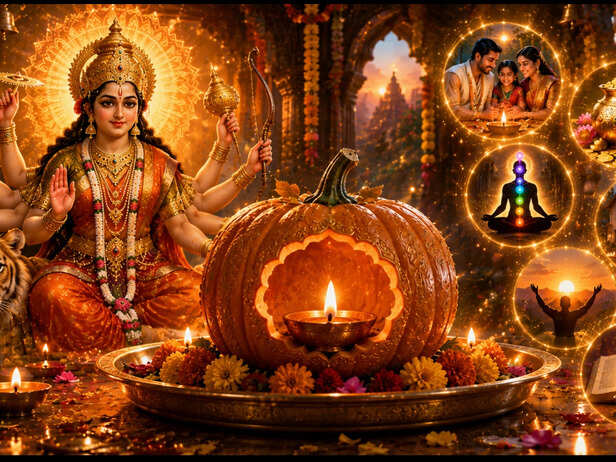
What if an ordinary ash gourd could become the centre of a powerful Hindu ritual? Known as Kushmanda Deepam, this traditional lamp is prepared by hollowing out an ash gourd and using it as a natural vessel for oil or ghee. Devotees traditionally associate the ritual with Goddess Kushmanda and Lord Kalabhairava and perform it with prayers for protection, peace and the removal of obstacles.
But there is more to this ritual than simply lighting a lamp Traditional beliefs and astrological interpretations connect Kushmanda Deepam with negative-energy protection, planetary difficulties, prosperity, confidence and spiritual discipline. Here are seven beliefs associated with this unique ritual and why devotees continue to follow it.
A Traditional Shield Against Negativity
One of the most commonly associated benefits of Kushmanda Deepam is protection from negative energy. Devotees believe that lighting the sacred lamp with sincere prayers can help create a peaceful and spiritually positive atmosphere. Some traditions also connect the ritual with protection from the evil eye and other negative influences. Rather than viewing the lamp as a magical solution, many devotees see it as a focused spiritual practice that strengthens faith and creates a sense of inner protection. The ritual can become especially meaningful when performed with discipline, prayer and a clear intention.
It Is Linked With Planetary Remedies
Kushmanda Deepam is also connected with astrological remedies in some Hindu traditions. Devotees may perform the ritual when they believe difficult planetary influences are affecting important areas of life. Saturn-related difficulties are sometimes specifically associated with such practices. The underlying idea is not simply to change a horoscope overnight, but to combine prayer, discipline and spiritual effort while seeking divine support. These astrological interpretations are based on traditional belief systems and should not be treated as scientifically proven effects. For believers, however, the ritual offers a structured way to approach periods of uncertainty with faith and consistency.
The Lamp Is Linked With Prosperity
Money worries can affect every part of life, which is why rituals associated with prosperity remain deeply meaningful to devotees. Kushmanda Deepam is traditionally believed to support prayers for abundance, financial stability and success. Some devotees perform it while seeking progress in business or career. The important point is that the ritual should not be understood as a guaranteed way to gain wealth. Instead, it can serve as a spiritual practice that encourages hope, discipline and positive intention. For many believers, the lamp becomes a reminder to work sincerely while placing their worries before the divine.
Amavasya Gives the Ritual Special Meaning
Amavasya, or the New Moon, holds special significance in several Hindu spiritual traditions. Some devotees choose this period to perform Kushmanda Deepam because it is traditionally considered suitable for prayers related to protection, obstacles and spiritual cleansing. The darkness of the New Moon also creates a powerful symbolic contrast with the flame of the lamp. The small light represents hope and clarity during darkness. In some traditions, devotees believe that performing the ritual on Amavasya can support personal confidence and positive influence. These beliefs vary by tradition, family practice and regional custom.
It Can Become a Practice of Discipline
The deeper value of Kushmanda Deepam may lie in consistency. Traditional devotees may follow the practice across multiple sacred occasions, combining the ritual with prayers, fasting or recitation. This creates a routine that requires attention and commitment. From a spiritual perspective, such discipline can help a person slow down and focus on intention rather than constantly reacting to everyday problems. The ritual becomes more than lighting a flame. It becomes a moment to pause, pray and reflect. For devotees, this regularity is an important part of the meaning behind the practice.
The Ritual Connects Two Powerful Deities
The spiritual symbolism becomes even more interesting through its association with Goddess Kushmanda and Lord Kalabhairava. Goddess Kushmanda is revered as a form of Durga, while Lord Kalabhairava is widely worshipped as a powerful form of Shiva. Devotees may invoke them while seeking protection, courage and the removal of obstacles. The combination gives the ritual a strong devotional character. It is not simply about the physical lamp. The flame, the ash gourd, the prayers and the chosen deities all come together to create a focused act of worship. This symbolic connection is one reason the practice continues to attract devotees.
The Real Power May Be Faith
The most meaningful benefit of Kushmanda Deepam may not be something that can be measured. For a devotee, lighting the lamp can create a quiet moment of faith during a difficult period. The flame becomes a symbol of hope, while the act of prayer encourages patience and surrender. Traditional beliefs may associate the ritual with protection, prosperity and planetary relief, but its personal meaning can be even broader. It reminds devotees that difficult phases do not have to be faced with fear alone. Faith, discipline and sincere effort can provide emotional strength while a person continues working toward practical solutions.
How Is Kushmanda Deepam Traditionally Prepared?
Traditionally, a fresh ash gourd is cut and hollowed to create a lamp-like vessel. It may be decorated with turmeric and kumkum before being filled with sesame oil or ghee. Cotton wicks are then placed inside and lit while prayers are offered. Practices can differ according to region, family tradition and the specific deity being worshipped. Some devotees perform the ritual during sacred observances such as Kalashtami or Amavasya. Anyone following a particular tradition should learn the method from a knowledgeable priest or trusted religious source, especially when specific timings, mantras or fasting rules are involved.
The Flame Carries a Deeper Message
Kushmanda Deepam is ultimately more than an unusual lamp made from an ash gourd. For devotees, it represents a meeting point of faith, prayer, tradition and personal discipline. Its astrological associations may vary, and claims about removing planetary problems or negative forces should be understood as traditional beliefs rather than proven facts. Yet the ritual continues because it gives people a meaningful way to pause, pray and seek strength. When the flame is lit with sincerity, its deepest message may be simple: even during uncertain times, a small light of faith can remind us not to give up.
Facing repeated career and financial challenges? Your name energy may be influencing it. Check here.
Unlock insightful tips and inspiration on personal growth, productivity, and well-being. Stay motivated and updated with the latest at My Life XP.