Is Astrology Real? What Planetary Positions Actually Mean in Your Life
Japish Kaur | MyLifeXP Bureau | Jan 23, 2026, 20:16 IST
Astrology has guided human curiosity for thousands of years, yet it continues to divide opinion. Some swear by planetary movements shaping destiny, while others dismiss it as coincidence. So, is astrology truly real or simply belief wrapped in tradition? This article explores what astrology actually claims, how planetary positions are interpreted, what science says, and why millions still find comfort, clarity, and direction in the stars.

Is Astrology Really Real?
Is Astrology Real? (Image credit:freepik)
But in an age ruled by science and data, a question keeps coming up: Is astrology actually real, or are planetary positions just symbolic stories we tell ourselves?
The answer lies somewhere between belief, psychology, tradition, and interpretation.
What Astrology Actually Claims:
In simple terms:
• Planets represent different energies (emotion, ambition, communication, discipline).
• Zodiac signs show how that energy expresses itself.
• Houses indicate which area of life is affected.
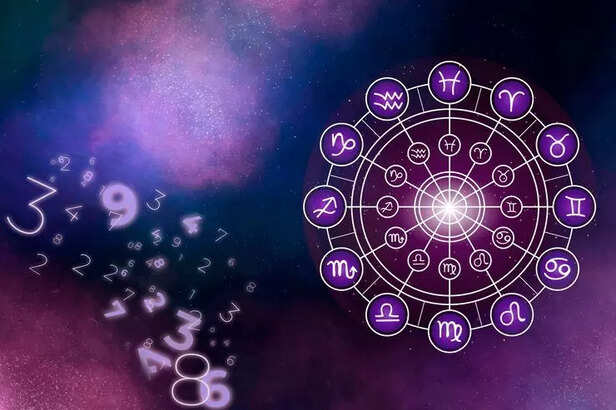
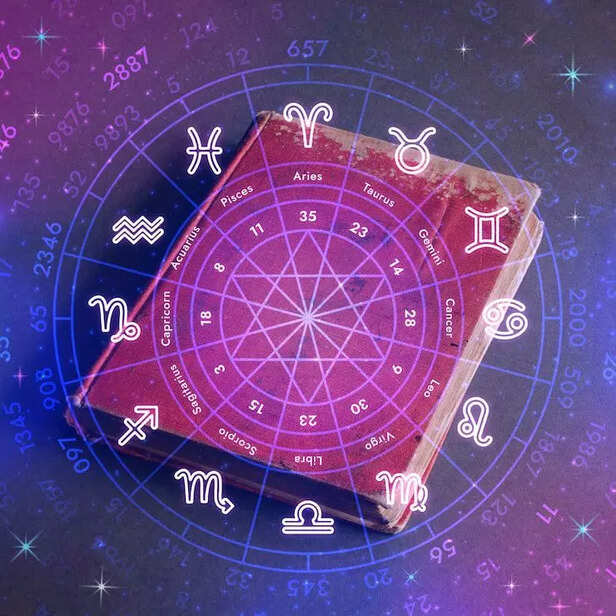
• Planetary positions at birth form a unique birth chart, also known as a horoscope.
Astrology is more about patterns and timing than fixed predictions.
Understanding Planetary Positions:
Is Astrology Real? (Image credit:freepik)
• Sun – Core identity, ego, life purpose
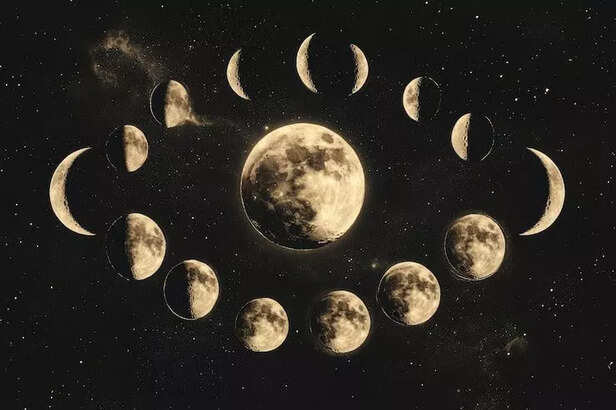
• Moon – Emotions, instincts, inner world• Mercury – Communication, thinking, learning
• Venus – Love, relationships, values• Mars – Action, drive, anger, ambition
• Jupiter – Growth, luck, wisdom
• Saturn – Discipline, responsibility, life lessons
• Rahu & Ketu (in Vedic astrology) – Desires, karmic patterns, transformation
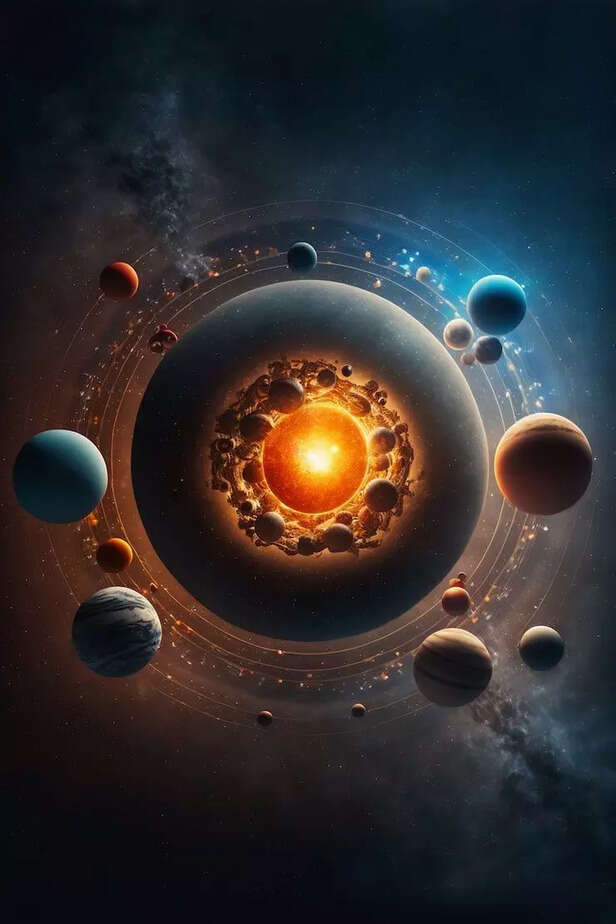
Astrology suggests that when these planets move or change direction, they activate certain themes in a person’s life much like seasons influence nature.
Is Astrology Real?(Image credit:freepik)
What Science Says About Astrology:
• Planetary gravitational forces are too weak to influence human behavior.
• Predictions often rely on broad statements that can apply to many people (known as the Barnum effect).
• Personal experiences can create confirmation bias remembering accurate predictions and forgetting the rest.However, science also acknowledges something interesting: belief systems affect perception, choices, and emotional well-being.
Which means even if planets aren’t physically influencing life belief in astrology can still influence behavior.
Why Astrology Feels Accurate to Many People?
• Encourages self-reflection
• Provides language for emotions
• Helps people make sense of uncertain phases
• Offers comfort during stress
• Creates a feeling of cosmic order
When someone reads a horoscope and feels understood, the impact is psychological but still very real to the individual.
Astrology vs Destiny : A Common Misunderstanding
Is Astrology Real?(Image credit:freepik)
Most traditional astrologers believe:
• Free will plays a major role
• Awareness allows better choices
Think of astrology like a weather forecast. Rain may be predicted, but how you prepare for it is still your decision.
Today, astrology is less about fear-based predictions and more about:
• Emotional awareness
• Relationship understanding
• Timing important decisions
• Personal growth
Astrology nowadays is used as a tool for mindfulness, not as a rulebook for life.
So, Is Astrology Real?
It is real in the sense that:
• Shapes beliefs
• Offers emotional clarity
• Helps people feel connected to something larger
Whether planetary positions truly shape destiny or simply mirror human experience is still open to interpretation.
What’s undeniable is this: astrology continues to matter because humans seek meaning and the stars have always given us a place to look. Astrology doesn’t replace logic, science, or personal responsibility. But for many, it complements them offering insight, reflection, and reassurance in an unpredictable world.
And perhaps that’s why, thousands of years later, we still look up at the sky and wonder.
Unlock insightful tips and inspiration on personal growth, productivity, and well-being. Stay motivated and updated with the latest at My Life XP.
FAQs - frequently asked questions: -
- Is astrology real or just a belief?
Is astrology real or just a belief?Astrology is a belief system rooted in tradition and symbolism. While it is not scientifically proven, many people find it meaningful for self-reflection and guidance.Q. Do planetary positions actually affect human life?Astrology suggests planetary positions reflect patterns and tendencies rather than directly causing events in human life.Q. What does science say about astrology?Scientific studies have not found evidence supporting astrology’s predictive claims, but psychology explains why people may relate to horoscopes.Q. Why do so many people believe in astrology?Astrology offers emotional comfort, structure, and a sense of meaning during uncertain times, which contributes to its continued popularity.Q. Is astrology the same as destiny?No. Most astrologers believe astrology indicates possibilities and timing, not fixed fate. Personal choices still play a major role.Q. Can astrology be useful even if it isn’t scientific?Yes. Many people use astrology as a tool for mindfulness, self-awareness, and reflection rather than literal prediction. - Do planetary positions actually affect human life?
Astrology suggests planetary positions reflect patterns and tendencies rather than directly causing events in human life. - What does science say about astrology?
Scientific studies have not found evidence supporting astrology’s predictive claims, but psychology explains why people may relate to horoscopes. - Is astrology the same as destiny?
No. Most astrologers believe astrology indicates possibilities and timing, not fixed fate. Personal choices still play a major role. - Is there a lucky zodiac sign?There is no universally lucky zodiac sign in astrology. Luck is believed to depend on planetary periods and individual birth charts rather than sun signs
There is no universally lucky zodiac sign in astrology. Luck is believed to depend on planetary periods and individual birth charts rather than sun signs.