
Keeping Ganga Jal? 5 Secret Vastu Rules to Remember
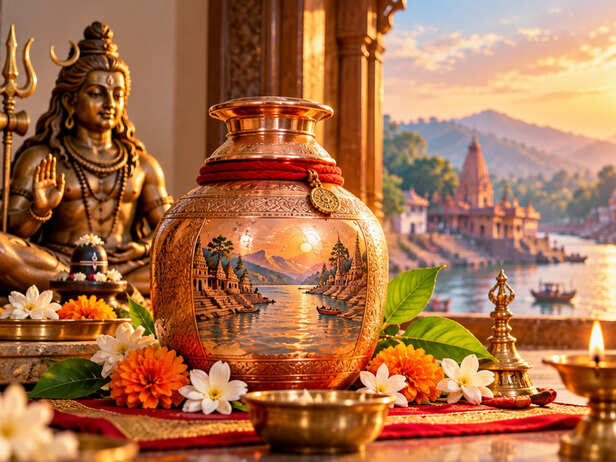
Ganga water, commonly called Ganga Jal, holds a special place in Hindu households. It is traditionally used during puja, festivals, religious ceremonies and other auspicious occasions. Many families keep a small bottle of Ganga Jal at home for years, believing it represents purity and sacredness. But keeping it at home is not simply about having the water. Traditional practices also place importance on how it is stored and handled. From leaving the bottle open to keeping it in an unsuitable place, several everyday habits are considered disrespectful. Knowing these simple Ganga Jal Vastu rules can help you maintain it with greater care.
Do Not Leave Ganga Jal Open
One common mistake is leaving Ganga water in an open container. Traditionally, Ganga Jal is treated as sacred and is therefore kept covered when it is not being used. An open bottle can collect dust, insects or other impurities, which makes it unsuitable for regular religious use. A clean glass or copper container with a proper lid can be used for storage. The idea is simple: if something is being preserved for puja, it should be handled with the same cleanliness and care given to other sacred items. This is more about respect and hygiene than fear.
Avoid Keeping It Anywhere
Where you keep Ganga Jal at home is another traditional consideration. It is generally preferred to store it in a clean puja area or another elevated, tidy space reserved for religious items. Keeping the bottle on the floor, near footwear or beside clutter is commonly viewed as disrespectful. You do not need a separate room for it. Even a small, clean shelf near your home temple can work. The purpose of this Ganga Jal Vastu rule is to give a sacred item a dedicated and respectful place rather than treating it like an ordinary bottle of water.
Keep It Away From Impure Spaces
Another habit to avoid is storing Ganga Jal near a bathroom, dustbin or other unclean area. Traditional Hindu practices generally separate puja articles from places associated with waste and daily cleaning. The same principle is applied to Ganga water. A clean shelf in the prayer area is a better choice than a corner where household items are randomly stored. This does not mean that something supernatural will happen if the bottle is placed elsewhere. Rather, it follows the traditional idea that sacred objects should be kept in clean surroundings. Good storage also reduces the chance of accidentally contaminating the water.
Do Not Handle It Carelessly
Ganga Jal is often used during Shiva Puja, Hindu festivals, havan and other religious rituals. A common traditional practice is to avoid touching the water unnecessarily or using an unclean container to take it out. If you need a small quantity, use a clean spoon, lota or other dedicated vessel. Avoid repeatedly opening the bottle with unwashed hands. These habits are simple but useful because they protect the water from contamination. More importantly, they preserve the sense of reverence attached to Ganga Jal. Sacredness in daily practice often begins with small acts of cleanliness and care.
Do Not Treat It Like Ordinary Water
Perhaps the biggest mistake is forgetting why the water was kept in the first place. Ganga Jal is traditionally associated with purification and religious rituals, so many families avoid using it casually for everyday purposes. It may be sprinkled during puja, used in certain ceremonies or offered during religious observances. Customs vary between families and regions, so there is no single rule that everyone must follow. What remains consistent is the idea of treating Ganga water with respect. Keeping it clean, covered and safely stored is a simple way to preserve its traditional value.
Where Should You Store Ganga Jal?
If you are wondering about the best Ganga Jal storage at home, choose a clean and elevated place, preferably near your home temple or puja area. Keep the bottle tightly closed and away from dust, footwear, bathrooms and clutter. A dedicated container makes it easier to handle the water only when needed. You do not need to follow complicated Vastu remedies or buy expensive objects. The basic principle is cleanliness and respect. If your family follows a specific regional tradition, you can continue that practice as well. Simple habits are often enough to maintain the sanctity associated with Ganga Jal.
The Real Meaning Behind These Rules
The purpose of Ganga Jal Vastu rules is not to create fear about what will happen if a bottle is placed incorrectly. Ganga Jal has deep religious and cultural value, and these practices are meant to preserve that respect in everyday life. Keeping it covered, clean and safely stored is both practical and consistent with tradition. If you already keep Ganga water at home, there is no need to panic over an old storage habit. Simply move it to a cleaner place and handle it more carefully. Sometimes, respecting a tradition begins with understanding its meaning rather than fearing its rules.
Facing repeated career and financial challenges? Your name energy may be influencing it. Check here.
Unlock insightful tips and inspiration on personal growth, productivity, and well-being. Stay motivated and updated with the latest at My Life XP