
Buying an EV for the First Time? 7 Things You Should Check
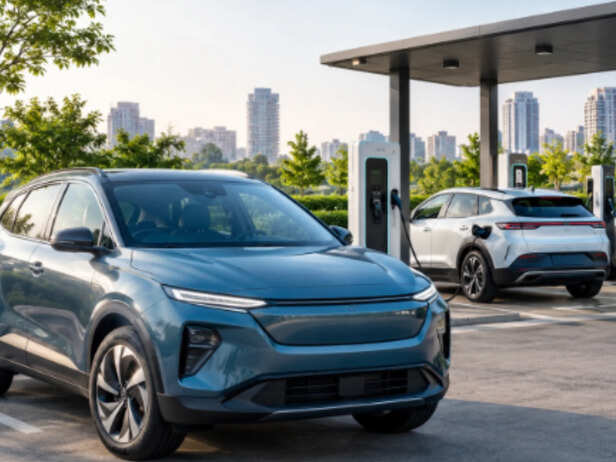
For a first-time EV buyer, the biggest questions are often simple ones. Where will you charge it? How far will it actually go? What happens on a long trip? And what does the battery warranty really cover?
Before you book your first electric car, check these seven things.
1. Check the Real-World Range
Don't choose an EV based only on its advertised range.
The range shown by a manufacturer comes from standardised testing conditions. Your actual range can change depending on traffic, driving speed, air-conditioning use, road conditions, passengers and weather.
Think about your normal routine instead.
How many kilometres do you drive each day? How often do you take highway trips? Choose a car that gives you enough range for your regular journeys without constantly worrying about the next charge.
2. Make Sure You Can Charge at Home
Home charging can make EV ownership much easier.
Before buying, check whether you have a suitable parking space and whether a home charger can be installed there. Apartment residents should also check with their housing society or relevant authorities about installation requirements.
If you cannot charge at home, find out where the nearest reliable public chargers are and whether they fit your daily route.
For many buyers, charging access matters as much as the car itself.
3. Look Beyond the Battery Size
You may see battery capacity mentioned in kWh. In simple terms, this tells you how much energy the battery can store.
A larger battery can provide more range, but it can also add to the vehicle's price.
Don't automatically assume that the biggest battery is the best choice. Think about your daily driving needs first.
If most of your driving happens within the city and you can charge at home regularly, you may not need to pay extra for a much larger battery.
4. Understand the Battery Warranty
The battery is one of the most important parts of an EV, so don't skip the warranty details.
Check:
- How many years the warranty lasts
- Whether there is a kilometre limit
- What battery problems are covered
- Whether there is a minimum battery-capacity guarantee
- What conditions could affect the warranty
Warranty terms can differ between manufacturers and models, so don't rely on a salesperson's verbal explanation. Read the actual warranty document before making your decision.
5. Check Charging Speed, Not Just Charging Availability
Knowing that an EV supports charging is not enough.
You should also understand how quickly it can charge using different types of chargers.
A home charger may be convenient for overnight charging, while DC fast charging can be more useful during longer journeys. However, charging speed depends on the vehicle, charger and other conditions.
If you regularly travel between cities, check the charging options along the routes you actually use.
A car that fits your travel pattern can make long-distance EV ownership much less stressful.
6. Calculate the Total Cost
A lower running cost does not automatically mean an EV is the cheapest car for every buyer.
Look beyond the showroom price.
Consider:
- Purchase price
- Home charger installation
- Electricity used for charging
- Public charging costs
- Insurance
- Service and maintenance
- Financing costs
- Tyres and other consumables
- Expected resale value
Your driving distance also matters. Someone who drives regularly may benefit more from lower running costs than someone who uses the car only occasionally.
The smartest comparison is not simply EV vs petrol price. It is the total cost of owning each option over the period you expect to keep the car.
7. Check Service Support Before You Book
An EV has fewer moving parts than a conventional petrol or diesel car, but that does not mean after-sales support is unimportant.
Find out how close the authorised service centre is to your home. Check whether technicians are trained to work on the specific EV you are considering.
Also look at the manufacturer's support network in the places where you live and regularly travel.
This becomes especially important if you plan to keep the car for several years.
Don't Ignore Your Driving Habits
The best electric vehicle is not necessarily the one with the longest range or the most expensive technology.
It is the one that fits your everyday life.
If you have easy access to charging, mostly drive in the city and can plan longer journeys around available chargers, an EV may be a practical choice.
But if you frequently drive long distances through areas with limited charging options, you need to think more carefully about whether the available charging network suits your routes.
Before You Buy, Ask Yourself These 7 Questions
- Can I charge the car conveniently at home or work?
- Is its real-world range enough for my normal driving?
- How often do I make long trips?
- Do I understand the battery warranty?
- How quickly can the car charge?
- What will my total ownership cost be?
- Is reliable service support available near me?
If you can answer these questions confidently, you are already much closer to making a sensible EV decision.
Your First EV Should Fit Your Routine
Buying an EV for the first time can feel complicated because there are new terms, charging options and battery questions to understand.
But the decision becomes easier when you stop looking only at features and focus on everyday use.
Check the range you actually need, plan how you will charge, understand the battery warranty and calculate the full ownership cost. Most importantly, choose an EV that works with your routine rather than changing your routine just to suit the car.
Unlock insightful tips and inspiration on personal growth, productivity, and well-being. Stay motivated and updated with the latest at My Life XP