
Electric Cars vs Petrol Cars: Which Saves More Money in 2026?
The automotive industry is changing rapidly, and electric cars are no longer a rare sight on the roads. With more manufacturers introducing electric models and governments encouraging cleaner transportation, many car buyers are asking the same question: Do electric cars actually save more money than petrol cars?
While electric vehicles often come with a higher purchase price, they promise lower running costs and reduced maintenance expenses. Petrol cars, on the other hand, remain widely available and often cost less upfront. Determining which option saves more money requires looking beyond the sticker price and examining the total cost of ownership.
Let's compare electric and petrol cars in 2026 and find out which one is the smarter financial choice.
Purchase Price: Petrol Cars Still Have the Advantage
One of the biggest differences between electric and petrol cars is the initial purchase cost.
Electric cars typically cost more because of their battery technology. Although battery prices have decreased over the past few years, EVs generally remain more expensive than equivalent petrol vehicles.
For example, a compact electric vehicle may cost 15 to 30 percent more than a similar petrol model. This higher upfront investment can be a barrier for budget-conscious buyers.
However, many countries continue to offer tax benefits, incentives, or subsidies for electric vehicle purchases. These programs can significantly reduce the price gap and make EVs more affordable.
Winner: Petrol Cars
Petrol cars usually require a lower initial investment.
Fuel Costs: Electric Cars Save More
Fuel expenses are one of the most important factors in vehicle ownership.
Petrol prices continue to fluctuate due to global market conditions. In many regions, filling a petrol tank can be a significant monthly expense, especially for drivers who travel long distances.
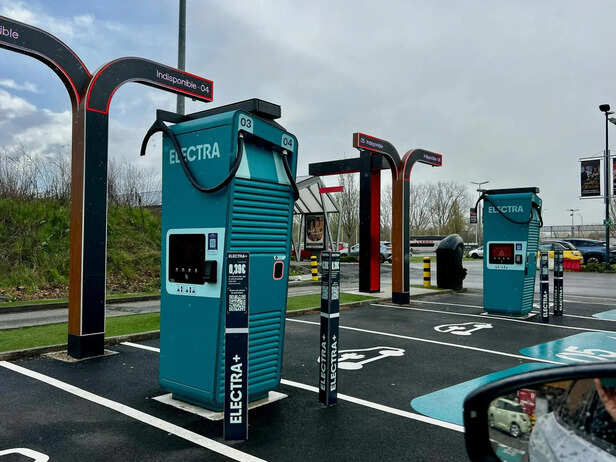
Electric cars use electricity instead of fuel, and charging is often much cheaper than buying petrol. Home charging is generally the most affordable option, allowing drivers to recharge overnight at lower electricity rates.
For example, driving 100 kilometers in an electric car can cost less than half the amount needed to cover the same distance in a petrol vehicle.
Drivers with access to workplace charging or public charging discounts may save even more.
Winner: Electric Cars
Electricity costs are usually much lower than petrol expenses.
Maintenance Costs: EVs Require Less Service
Maintenance is another area where electric vehicles often outperform petrol cars.
Petrol engines contain hundreds of moving parts that require regular servicing. Oil changes, spark plug replacements, air filters, transmission maintenance, and exhaust system repairs all add to ownership costs.
Electric vehicles have simpler powertrains with far fewer moving components. They do not require engine oil changes or many of the routine services associated with petrol cars.
Common EV maintenance tasks include tire rotation, brake inspections, and battery system checks. Because regenerative braking reduces wear on brake pads, brake replacements are often less frequent.
Over several years, these reduced maintenance needs can result in substantial savings.
Winner: Electric Cars
Lower maintenance requirements make EVs less expensive to service.
Insurance Costs: The Gap Is Narrowing
Insurance costs vary depending on the vehicle model, location, driver history, and repair expenses.
Historically, electric cars were more expensive to insure because battery repairs and specialized parts increased repair costs. However, as EV adoption has grown, insurance providers have adjusted their pricing models.
In 2026, the difference between EV and petrol car insurance premiums is generally smaller than it was a few years ago.
Luxury electric vehicles may still cost more to insure, but many mainstream electric models now have insurance rates comparable to petrol vehicles.
Winner: Tie
Insurance costs depend heavily on the specific vehicle and driver profile.
Charging Infrastructure vs Fuel Availability
Petrol stations remain widely available and offer quick refueling.
Electric vehicle charging networks have expanded significantly, but charging convenience still depends on location. Urban areas generally have better charging infrastructure than rural regions.
Home charging provides a major advantage for EV owners because they can start each day with a full battery without visiting a fuel station.
For drivers who frequently travel long distances, charging time may still be a consideration compared to the quick process of filling a petrol tank.
From a financial perspective, however, home charging often reduces transportation costs.
Winner: Electric Cars
Although charging may require more planning, it is usually cheaper than purchasing petrol.
Battery Replacement Costs
One concern many buyers have about electric vehicles is battery replacement.
Modern EV batteries are designed to last many years, and manufacturers commonly offer battery warranties ranging from eight to ten years.
Battery technology has improved significantly, resulting in slower degradation and longer lifespan. While battery replacement can be expensive, most owners are unlikely to face this cost during the typical ownership period.
As battery production increases worldwide, replacement costs are also gradually declining.
For most drivers purchasing a new EV in 2026, battery replacement is not expected to be a major short-term expense.
Winner: Electric Cars
Modern batteries are lasting longer and becoming more affordable to replace.
Resale Value: A Changing Market
Resale value plays an important role in determining overall ownership costs.
Petrol cars have traditionally held their value well because buyers were familiar with their reliability and maintenance needs. However, increasing demand for electric vehicles is changing the market.
Some electric models now retain their value as well as or better than comparable petrol vehicles, especially those with strong battery performance and good charging capabilities.
Resale values can vary significantly between brands and models, making it important to research individual vehicles before purchasing.
Winner: Tie
Resale value depends on market demand, brand reputation, and vehicle condition.
Long-Term Ownership Costs
When all expenses are combined, electric cars generally offer lower long-term ownership costs.
Consider the following areas:
- Lower energy costs
- Reduced maintenance expenses
- Fewer mechanical repairs
- Potential government incentives
- Growing resale demand
Although buyers may pay more upfront, these ongoing savings can offset the higher purchase price over several years.
Drivers who travel frequently often recover the initial cost difference faster because they benefit more from lower charging costs.
For people who drive relatively few miles each year, the financial advantage may take longer to appear.
Who Should Choose an Electric Car?
An electric vehicle may be the better financial choice if:
- You drive regularly or have a long daily commute.
- You can charge at home.
- You plan to keep the vehicle for several years.
- You want lower maintenance costs.
- You have access to EV incentives or rebates.
These factors help maximize the savings associated with electric ownership.
Who Should Choose a Petrol Car?
A petrol vehicle may still make sense if:
- You need the lowest possible purchase price.
- You frequently travel in areas with limited charging infrastructure.
- You prefer quick refueling.
- You do not have access to home charging.
- You plan to own the vehicle for only a short period.
In these situations, a petrol car may offer greater convenience despite higher running costs.
Which Car Offers Better Value in 2026?
In 2026, electric cars generally save more money over the long term than petrol cars. While the upfront purchase price remains higher, lower charging costs, reduced maintenance expenses, and improving resale values help electric vehicles deliver significant savings throughout ownership.
Petrol cars still have advantages in terms of initial affordability and refueling convenience, but their higher fuel and maintenance costs can add up over time.
For most drivers who have access to reliable charging and plan to keep their vehicle for several years, an electric car is likely to be the more economical choice. As battery technology improves and charging networks continue to expand, the financial case for electric vehicles becomes even stronger.
Unlock insightful tips and inspiration on personal growth, productivity, and well-being. Stay motivated and updated with the latest at My Life XP.