
How Fast Can Your Tyres Go Before They Fail?
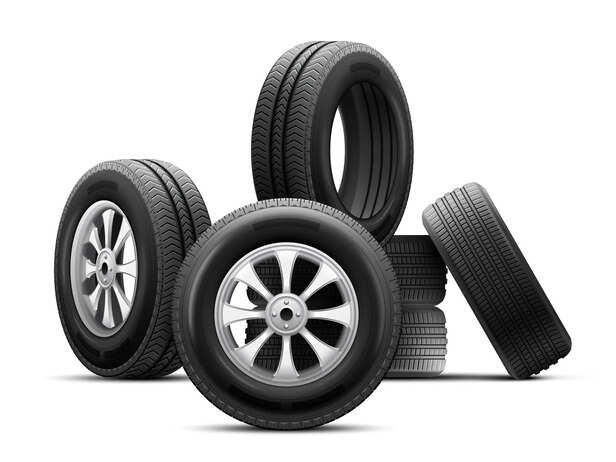
You check your fuel. You check your brakes. But have you ever checked that one small letter on your tyre? It looks harmless. Just a single alphabet at the end of a code. Yet that letter quietly decides how fast your tyre can safely go and what could happen if you push beyond it. Most drivers ignore it. Some don’t even know it exists. But the truth is, that tiny marking could be the difference between control and disaster.
THE LETTER THAT DECIDES YOUR LIMIT
At the end of your tyre code, there is a letter like H, V, or S. Most people overlook it, but it holds critical meaning. This letter is the tyre’s speed rating the maximum speed it can safely handle under ideal conditions. For example, S means up to 180 km/h, H goes to 210 km/h, and V reaches 240 km/h. It does not mean you should drive at that speed. It simply tells you the tyre’s limit. Cross it repeatedly, and you are pushing your safety beyond design.
WHY ENGINE POWER DOESN’T MATTER HERE
Many drivers believe speed depends only on the car’s engine. But tyres play an equally important role. Even if your car can go fast, your tyres may not be designed for that speed. When tyres exceed their rating, heat builds up quickly. This weakens the rubber and increases the risk of failure. It is like wearing running shoes for a marathon but sprinting on rough terrain. The engine may perform, but the tyres decide whether you stay in control or lose it.
THE MISTAKE MOST DRIVERS MAKE
One of the most common mistakes is choosing tyres based only on price or appearance. Many people replace tyres without checking the speed rating recommended by the manufacturer. This mismatch creates hidden risks. Lower-rated tyres may wear faster, reduce grip, and fail under stress. It may not show immediately, but during high-speed driving or emergency braking, the difference becomes critical. Safety is not just about buying new tyres it is about buying the right ones.
WHAT THOSE NUMBERS REALLY SAY
Take a typical code like 195/55 R16 87V. Each part has meaning. The 195 shows the tyre width in millimetres. The 55 is the aspect ratio, telling you the height relative to width. R stands for radial construction, the most common type today. The 16 is the rim size in inches. The number 87 is the load index, showing how much weight the tyre can carry. Finally, V is the speed rating. Together, these markings define performance, comfort, and safety.
HOW TO CHOOSE THE RIGHT TYRE
Choosing the right tyre is simpler than it seems. Always follow your vehicle manufacturer’s recommended specifications. Match the speed rating, load index, and size exactly. If you often drive on highways, a higher speed rating offers better stability. For city driving, comfort and durability matter more. Also, check for proper installation direction if arrows are present. Tyres are not just parts they are your only contact with the road. A smart choice ensures better grip, control, and peace of mind.
Unlock insightful tips and inspiration on personal growth, productivity, and well-being. Stay motivated and updated with the latest at My Life XP.
Frequently Asked Questions (FAQs)