How Modern Car Technology Is Changing the Driving Experience
Rangnai Tara | Jun 25, 2026, 17:00 IST
Modern vehicles are no longer just machines that take people from one place to another. They have become intelligent systems packed with technology designed to improve safety, comfort, convenience, and efficiency. From advanced driver assistance features to smartphone connectivity and electric powertrains, today's innovations are changing how people interact with their vehicles. This article explores the technologies shaping modern driving and how they are making journeys safer, easier, and more enjoyable.

The driving experience has changed dramatically over the past decade. Cars have evolved from simple transportation tools into sophisticated machines equipped with advanced technologies that enhance nearly every aspect of a journey. Features that were once found only in luxury vehicles are now becoming standard in many everyday cars.
Whether it is helping drivers avoid accidents, navigate unfamiliar roads, stay connected, or reduce fuel consumption, modern car technology is making driving smarter and more convenient than ever before. As innovation continues to accelerate, the relationship between drivers and their vehicles is changing in exciting ways.
![Advanced Safety Features Are Reducing Risks]()
One of the biggest impacts of modern car technology can be seen in vehicle safety. Manufacturers are investing heavily in systems designed to help prevent accidents before they happen.
Many new vehicles now come equipped with features such as:
For example, if a car detects that it is getting too close to another vehicle, it can warn the driver or even apply the brakes automatically. These technologies provide an additional layer of protection and can be especially helpful during busy traffic conditions.
As a result, drivers often feel more confident and secure behind the wheel.
Modern vehicles are increasingly capable of assisting drivers with routine tasks. Features such as adaptive cruise control and lane-keeping assistance help reduce the stress associated with long drives and heavy traffic.
Adaptive cruise control automatically adjusts a vehicle's speed to maintain a safe distance from the car ahead. Instead of constantly accelerating and braking, drivers can enjoy a smoother driving experience.
Lane-keeping systems gently steer the vehicle back into its lane if it begins to drift unintentionally. Combined with adaptive cruise control, these technologies can make highway driving significantly less tiring.
While drivers must remain attentive at all times, these systems can reduce fatigue and improve overall comfort during extended trips.
![Connectivity Has Turned Cars Into Mobile Digital Hubs]()
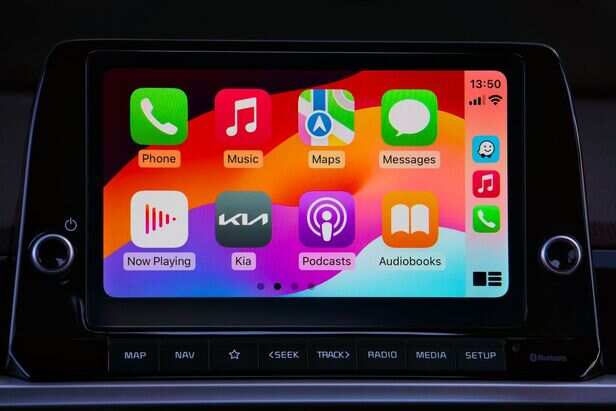
Today's vehicles are more connected than ever. Smartphone integration has become a standard feature in many models, allowing drivers to access apps, music, navigation, and communication tools directly through the vehicle's infotainment system.
Drivers can now:
Voice assistants have also become increasingly common. Instead of pressing buttons, drivers can simply speak commands to adjust settings, start navigation, or make calls.
The result is a more convenient and user-friendly driving experience.
Gone are the days when drivers relied solely on paper maps or basic GPS units. Modern navigation systems provide real-time traffic updates, route optimization, and predictive travel information.
These systems can:
Many systems can even learn driving habits and recommend preferred routes based on previous journeys.
![Parking Has Become Less Stressful]()
Parking is often one of the most challenging aspects of driving, particularly in crowded cities. Modern technology has introduced several features that simplify the process.
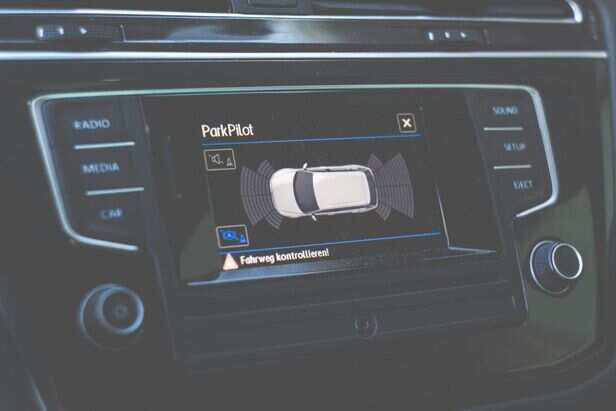
Rearview cameras provide a clear view behind the vehicle, reducing blind spots while reversing. Parking sensors alert drivers when obstacles are nearby, helping prevent minor collisions.
Some vehicles now offer automated parking assistance. These systems can identify suitable parking spaces and steer the vehicle into position while the driver controls acceleration and braking.
For drivers who struggle with parallel parking or navigating tight spaces, these technologies can significantly reduce stress and improve confidence.
![Electric Vehicles Are Changing the Feel of Driving]()
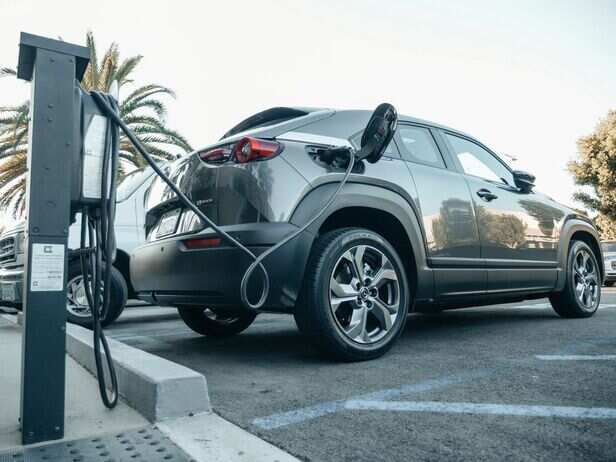
The rise of electric vehicles has introduced a completely different driving experience. Unlike traditional gasoline-powered cars, electric vehicles deliver instant torque, resulting in quick and smooth acceleration.
Electric cars are also quieter because they lack conventional engines. This creates a more peaceful cabin environment and contributes to a more relaxing journey.
In addition, regenerative braking technology captures energy during deceleration and returns it to the battery. This not only improves efficiency but also changes how drivers interact with the vehicle.
As charging infrastructure continues to expand, more drivers are experiencing the unique advantages of electric mobility.
Modern vehicles offer a wide range of features designed to make driving more comfortable.
Some popular examples include:
These conveniences may seem small individually, but together they create a more seamless ownership experience.
Artificial intelligence is becoming an increasingly important part of vehicle technology. Many modern infotainment systems can learn driver preferences and adapt accordingly.
For example, a vehicle may remember:
As artificial intelligence becomes more advanced, vehicles will continue to offer increasingly personalized experiences tailored to individual drivers.
Technology is also helping drivers maintain their vehicles more effectively. Modern cars constantly monitor various systems and provide alerts when maintenance is required.
Drivers can receive notifications about:
Early detection of potential problems can reduce repair costs and minimize the risk of unexpected breakdowns.
The pace of innovation in the automotive industry shows no signs of slowing down. Manufacturers continue to develop technologies that improve safety, efficiency, and convenience.
Future vehicles are expected to feature even more advanced driver assistance systems, improved electric vehicle capabilities, enhanced connectivity, and greater levels of automation.
While fully autonomous driving remains a developing technology, many of the building blocks are already present in today's vehicles. Features that once seemed futuristic are quickly becoming part of everyday driving.
Consumers can expect cars to become even smarter, more efficient, and more responsive to their needs in the coming years.
Modern car technology is transforming the way people drive, travel, and interact with their vehicles. Advanced safety systems are helping reduce accidents, smart connectivity keeps drivers informed, and innovative convenience features make every journey more enjoyable.
From intelligent navigation and driver assistance systems to electric powertrains and artificial intelligence, today's vehicles offer capabilities that would have seemed remarkable just a few years ago. As technology continues to evolve, drivers can look forward to safer roads, greater convenience, and an increasingly connected driving experience that reshapes the future of mobility.
Unlock insightful tips and inspiration on personal growth, productivity, and well-being. Stay motivated and updated with the latest at My Life XP.
Whether it is helping drivers avoid accidents, navigate unfamiliar roads, stay connected, or reduce fuel consumption, modern car technology is making driving smarter and more convenient than ever before. As innovation continues to accelerate, the relationship between drivers and their vehicles is changing in exciting ways.
Advanced Safety Features Are Reducing Risks

Advanced Safety Features Are Reducing Risks
One of the biggest impacts of modern car technology can be seen in vehicle safety. Manufacturers are investing heavily in systems designed to help prevent accidents before they happen.
Many new vehicles now come equipped with features such as:
- Automatic emergency braking
- Lane departure warning
- Blind spot monitoring
- Rear cross-traffic alerts
- Forward collision warnings
For example, if a car detects that it is getting too close to another vehicle, it can warn the driver or even apply the brakes automatically. These technologies provide an additional layer of protection and can be especially helpful during busy traffic conditions.
As a result, drivers often feel more confident and secure behind the wheel.
Driver Assistance Systems Are Making Driving Easier
Modern vehicles are increasingly capable of assisting drivers with routine tasks. Features such as adaptive cruise control and lane-keeping assistance help reduce the stress associated with long drives and heavy traffic.
Adaptive cruise control automatically adjusts a vehicle's speed to maintain a safe distance from the car ahead. Instead of constantly accelerating and braking, drivers can enjoy a smoother driving experience.
Lane-keeping systems gently steer the vehicle back into its lane if it begins to drift unintentionally. Combined with adaptive cruise control, these technologies can make highway driving significantly less tiring.
While drivers must remain attentive at all times, these systems can reduce fatigue and improve overall comfort during extended trips.
Connectivity Has Turned Cars Into Mobile Digital Hubs
Connectivity Has Turned Cars Into Mobile Digital Hubs
Today's vehicles are more connected than ever. Smartphone integration has become a standard feature in many models, allowing drivers to access apps, music, navigation, and communication tools directly through the vehicle's infotainment system.
Drivers can now:
- Receive navigation guidance in real time
- Stream music and podcasts
- Make hands-free phone calls
- Send and receive messages using voice commands
- Access cloud-based services
Voice assistants have also become increasingly common. Instead of pressing buttons, drivers can simply speak commands to adjust settings, start navigation, or make calls.
The result is a more convenient and user-friendly driving experience.
Navigation Systems Have Become Smarter
Gone are the days when drivers relied solely on paper maps or basic GPS units. Modern navigation systems provide real-time traffic updates, route optimization, and predictive travel information.
These systems can:
- Suggest faster routes
- Warn about accidents ahead
- Identify road closures
- Estimate arrival times accurately
- Locate nearby fuel stations and charging points
Many systems can even learn driving habits and recommend preferred routes based on previous journeys.
Parking Has Become Less Stressful
Parking Has Become Less Stressful
Parking is often one of the most challenging aspects of driving, particularly in crowded cities. Modern technology has introduced several features that simplify the process.
Rearview cameras provide a clear view behind the vehicle, reducing blind spots while reversing. Parking sensors alert drivers when obstacles are nearby, helping prevent minor collisions.
Some vehicles now offer automated parking assistance. These systems can identify suitable parking spaces and steer the vehicle into position while the driver controls acceleration and braking.
For drivers who struggle with parallel parking or navigating tight spaces, these technologies can significantly reduce stress and improve confidence.
Electric Vehicles Are Changing the Feel of Driving
Electric Vehicles Are Changing the Feel of Driving
The rise of electric vehicles has introduced a completely different driving experience. Unlike traditional gasoline-powered cars, electric vehicles deliver instant torque, resulting in quick and smooth acceleration.
Electric cars are also quieter because they lack conventional engines. This creates a more peaceful cabin environment and contributes to a more relaxing journey.
In addition, regenerative braking technology captures energy during deceleration and returns it to the battery. This not only improves efficiency but also changes how drivers interact with the vehicle.
As charging infrastructure continues to expand, more drivers are experiencing the unique advantages of electric mobility.
Smart Features Improve Comfort and Convenience
Modern vehicles offer a wide range of features designed to make driving more comfortable.
Some popular examples include:
- Keyless entry and push-button start
- Wireless phone charging
- Heated and ventilated seats
- Automatic climate control
- Power-adjustable seating
- Remote vehicle access through mobile apps
These conveniences may seem small individually, but together they create a more seamless ownership experience.
Artificial Intelligence Is Personalizing the Journey
Artificial intelligence is becoming an increasingly important part of vehicle technology. Many modern infotainment systems can learn driver preferences and adapt accordingly.
For example, a vehicle may remember:
- Favorite radio stations
- Frequently used navigation destinations
- Preferred seat positions
- Climate control settings
As artificial intelligence becomes more advanced, vehicles will continue to offer increasingly personalized experiences tailored to individual drivers.
Vehicle Health Monitoring Helps Prevent Problems
Technology is also helping drivers maintain their vehicles more effectively. Modern cars constantly monitor various systems and provide alerts when maintenance is required.
Drivers can receive notifications about:
- Low tire pressure
- Oil changes
- Battery health
- Brake system issues
- Engine performance concerns
Early detection of potential problems can reduce repair costs and minimize the risk of unexpected breakdowns.
The Road Ahead for Automotive Technology
The pace of innovation in the automotive industry shows no signs of slowing down. Manufacturers continue to develop technologies that improve safety, efficiency, and convenience.
Future vehicles are expected to feature even more advanced driver assistance systems, improved electric vehicle capabilities, enhanced connectivity, and greater levels of automation.
While fully autonomous driving remains a developing technology, many of the building blocks are already present in today's vehicles. Features that once seemed futuristic are quickly becoming part of everyday driving.
Consumers can expect cars to become even smarter, more efficient, and more responsive to their needs in the coming years.
A New Era of Driving
Modern car technology is transforming the way people drive, travel, and interact with their vehicles. Advanced safety systems are helping reduce accidents, smart connectivity keeps drivers informed, and innovative convenience features make every journey more enjoyable.
From intelligent navigation and driver assistance systems to electric powertrains and artificial intelligence, today's vehicles offer capabilities that would have seemed remarkable just a few years ago. As technology continues to evolve, drivers can look forward to safer roads, greater convenience, and an increasingly connected driving experience that reshapes the future of mobility.
Unlock insightful tips and inspiration on personal growth, productivity, and well-being. Stay motivated and updated with the latest at My Life XP.