
Kia PV7 vs PV5: What Makes the New EV Bigger?
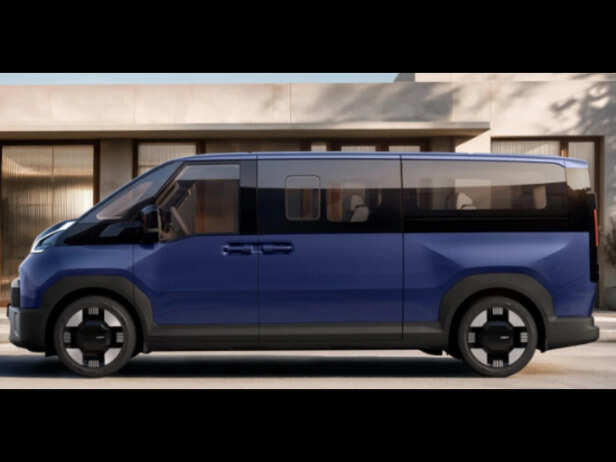
Kia is adding to its line-up of electric vans with its latest offering PV7, a larger van that has been developed for use in the light commercial vehicle sector. Following the launch of PV5 earlier in 2025, the PV7 comes with a design that can carry passengers and loads alike. There are plans to develop up to 23 versions of the electric van over the next few years. In terms of specifications, the electric van can have up to 11 seats, load carrying capability of 8.0 cubic meters, and a range of 460km.
A More Significant Step Following the PV5
PV7 comes after PV5 but falls under a bigger vehicle segment. While Kia manufactures this vehicle for light commercial purposes, it can still come in passenger models. The strategy makes it possible for the same platform to be used in different ways, such as carrying cargo or people in bigger numbers. Up to 23 PV7 models will be introduced by Kia in the upcoming years, making it possible for the car to meet different demands both commercially and personally.
Increased Cargo Space
The PV7 Cargo would be available with varying lengths of wheelbase and roofs. The standard roof long wheelbase version of the car has a cargo capacity of approximately 6 cubic metres, while the high roof version provides cargo capacity of 8.0 cubic metres. The load-carrying capability of the vehicles is also geared towards commercial usage, where the standard version of the PV7 Cargo has a load capacity of 1,200 kilograms, while the long-wheelbase variant carries loads of 1,165 kilograms.
The Passenger Version Increases Adaptability
The passenger model has enabled the PV7 to play yet another role other than just being a commercial vehicle. For instance, in the European market, the model will have a maximum capacity of nine seats. On the other hand, in the Korean market, the model will have the capability of carrying up to 11 passengers. The company has also provided various seating arrangements in some models that include models that have removable seats. Such features will enable the model to be used for both passenger and cargo purposes.
800V Charging Reduces Waiting Times
One of the most significant distinctions between PV5 and PV7 from a technical standpoint is the electrical configuration. In contrast to the PV5 which uses a 400-volt electrical system, PV7 opts for the 800-volt electrical configuration. According to the official press release by Kia, PV7 takes only 25 minutes to charge from 10% to 80% if using a 350 kW charging station. The van features two separate charging ports; one located at the front and another one at the rear end of the vehicle. The front port is capable of AC and DC charging, while the rear charging port is designed for AC charging.
One Van, Numerous Potential Positions
What makes the PV7 so attractive is its ability to perform a variety of tasks depending on its set up. It can be purchased in either a cargo version offering considerable loading capacity or a passenger one providing comfortable seating for a lot of people. With its 800V architecture and 96.2kWh battery the PV7 is designed to be used constantly on the road. The Korean carmaker has certainly not made the PV7 into a one-purpose vehicle and the lineup of variations testifies to that. The question for consumers will be what kind suits them most.
The Future of Kia's Electric Vans
The PV7 offers more features to Kia’s lineup of vehicles designed explicitly for electric operation, thanks to its spacious design and technology suitable for commercial and personal use. The PV7 boasts impressive specifications such as room for up to 11 people in Korea, a capacity of up to 8.0 cubic meters for cargo, 800V charging technology, and 460km of range on the WLTP cycle using the larger battery. Considering there are up to 23 models to come in the future, it is evident that the PV7 is designed for multiple uses other than just one van model.
Unlock insightful tips and inspiration on personal growth, productivity, and well-being. Stay motivated and updated with the latest at My Life XP.
Frequently Asked Questions (FAQs)
What is the driving range of the Kia PV7?
The bigger 96.2 kWh battery provides approximately 460km WLTP range in the cargo model.
What is the charging speed of the Kia PV7?
The battery charges from 10% to 80% in just 25 minutes with a 350kW charger.
What are the battery options of the Kia PV7?
The Kia PV7 comes with 71.5kWh and 96.2kWh battery options.
Does the Kia PV7 have all-wheel drive?
The Kia PV7 is initially introduced with front-wheel drive only; however, the all-wheel-drive version will be available in the future.