
No Future for Petrol? Gadkari’s Bold Warning
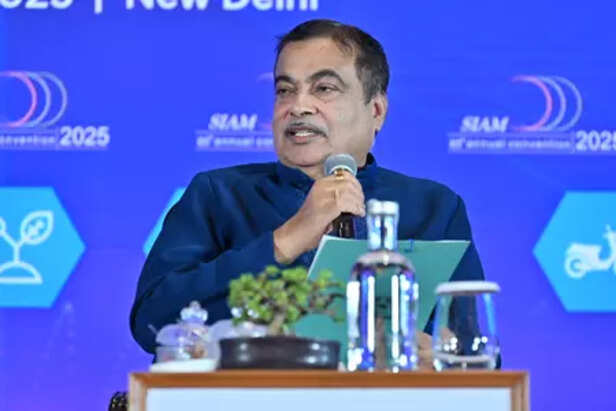
What if the vehicle you rely on every day quietly starts losing its place in the future? A strong statement by Nitin Gadkari has sparked a serious question across India are petrol and diesel vehicles slowly moving toward an exit? This isn’t just about fuel anymore. It’s about rising costs, global uncertainty, and the need for cleaner, more sustainable options. The way we travel is beginning to shift, step by step. And what comes next may not feel sudden but it could completely change how you think about mobility in the years ahead.
A Warning That Changed the Conversation
When Nitin Gadkari said there is “no future” for petrol and diesel vehicles, it wasn’t just a comment it was a signal. A signal that the industry must prepare for change. Rising fuel imports and global tensions are making traditional fuels risky and expensive. This is not about sudden bans, but a clear direction. The message is simple: adapt early or struggle later. And that’s what makes this moment important for both companies and everyday users.
The Real Problem Behind Fuel Dependency
India depends heavily on imported fuel. This creates vulnerability when global situations become unstable. Prices rise, supply becomes uncertain, and the economy feels the pressure. This is the core issue behind the shift. It’s not just about pollution it’s about control and stability. Reducing dependence means building a system that is more secure and predictable. That’s why the focus is moving toward alternatives that can be produced or managed within the country.
The Rise of New Energy Alternatives
The future is not limited to electric vehicles. Options like hydrogen, ethanol, CNG, and LNG are being explored rapidly. Hydrogen, in particular, is gaining attention with pilot projects already running. These alternatives promise cleaner energy and reduced dependency on imports. But each comes with its own challenges cost, infrastructure, and adoption speed. The shift will not happen overnight, but it has clearly started. And once momentum builds, change becomes hard to stop.
What This Means for Automakers
For vehicle manufacturers, this is a moment of decision. Continue with old systems or invest in future technologies. Many companies have already started adapting, testing new fuels and electric platforms. But the shift requires time, money, and vision. Those who move early may lead the market. Those who delay may struggle to catch up. This is not just evolution it’s transformation. And every major change creates both risk and opportunity.
What Should You Do as a Buyer?
If you are planning to buy a vehicle, this shift matters. It doesn’t mean petrol cars will disappear tomorrow. But long-term thinking becomes important. Consider your usage, fuel costs, and future resale value. Explore alternatives, but don’t rush blindly. The key is balance choose what works today, but stays relevant tomorrow. Awareness is your biggest advantage here. Because the right decision now can save you from regret later.
Smart Buying Decision
Big changes rarely arrive all at once. They begin quietly, with signals that many people overlook. This is one of those moments.
The future of mobility in India is gradually shifting from dependence on imported fuel to innovation, from traditional engines to cleaner alternatives. It may not feel urgent today, but the direction is clear. Over time, this shift will influence how you travel, what you spend, and the choices you make. So the real question isn’t whether this change will happen it’s whether you’ll notice it early enough and be ready when it truly begins to shape your everyday life.
Unlock insightful tips and inspiration on personal growth, productivity, and well-being. Stay motivated and updated with the latest at My Life XP.
Frequently Asked Questions (FAQs)
1. What exactly did Nitin Gadkari say?
He warned that petrol and diesel vehicles may not have a strong future in India and urged a shift toward cleaner alternatives.
2. Are petrol and diesel vehicles going to be banned soon?
No, there is no immediate ban. This is more of a long-term direction and policy signal.
3. Why is India pushing away from petrol and diesel?
Due to high fuel imports, rising costs, environmental concerns, and global uncertainties.
4. What alternatives are being promoted?
Electric vehicles, hydrogen fuel, ethanol-blended fuels, CNG, and LNG are key options.
5. Is hydrogen really the future?
It is being tested actively and seen as a promising long-term solution, but adoption will take time.