6 Signs Your Hair Is Actually Healthy and You Don't Even Know It
Shweta Sah | Jun 25, 2026, 19:00 IST
Many people assume healthy hair must look perfectly smooth, ultra-shiny, or styled all the time, especially after years of beauty trends shaped by filters, editing, and unrealistic hair standards online. But in reality, healthy hair often looks far more normal than social media suggests. Hair experts and dermatologists generally focus on factors like scalp condition, elasticity, breakage levels, moisture balance, and overall manageability rather than perfection. For Gen Z especially, there is growing awareness that healthy hair is more about long-term care than chasing impossible beauty standards. Sometimes your hair may already be healthier than you realize.

Person Gently Stretching a Strand of Hair
Image credit : Pexels
For years, beauty culture created a very specific image of what “healthy hair” supposedly looks like.
Perfectly smooth strands. No frizz. Endless shine. Hair moving dramatically in slow motion like it just signed a luxury shampoo contract.
But real hair does not behave like edited content online. Lighting, filters, extensions, styling tools, treatments, and professional editing often shape the hair standards people compare themselves to daily. As a result, many individuals assume their hair must be damaged simply because it looks natural instead of flawless.
In reality, hair experts and dermatologists usually define healthy hair differently. Healthy hair often depends more on strength, flexibility, scalp condition, moisture balance, and manageable breakage levels rather than visual perfection alone. This shift in perspective matters, especially for younger generations growing up surrounded by constant appearance comparisons online.
Interestingly, many people already have healthier hair than they realise because they focus too heavily on unrealistic beauty standards instead of actual hair function. Human beings truly developed anxiety over individual strands reacting normally to humidity. Nature continues to disappoint unrealistic expectations daily.
Your Hair Has Natural Elasticity
Elasticity refers to the hair’s ability to stretch slightly without snapping immediately. Hair naturally contains proteins and moisture that help it remain flexible instead of overly brittle.
When hair stretches gently and returns close to its original state, it often suggests the strands still maintain reasonable structural balance.
On the other hand, hair that breaks instantly with very little tension may indicate dryness, damage, excessive heat exposure, or weakened protein structure.
Importantly, not every strand behaves perfectly every time. Some breakage is normal because hair experiences daily friction from brushing, styling, tying, sleeping, weather changes, and environmental exposure.
Healthy hair does not mean indestructible hair.
It simply means the strands generally maintain resilience under normal conditions.
Many dermatologists and hair specialists also emphasise that elasticity can fluctuate depending on hydration, weather, hair texture, and overall hair care habits.
Your Scalp Feels Balanced
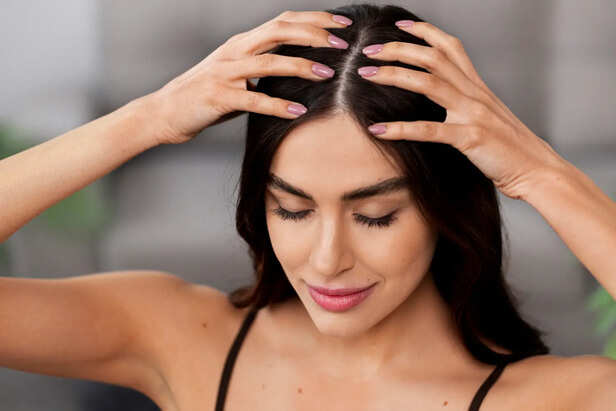
Close-Up of a Healthy and Clean Scalp
Image credit : Pexels
Healthy hair often begins with scalp health.
In recent years, scalp care has become a much bigger conversation in the beauty industry because experts increasingly recognise how closely scalp condition connects to overall hair quality.
A balanced scalp generally feels comfortable rather than constantly irritated, extremely oily, painfully dry, or heavily inflamed.
This does not mean the scalp never produces oil. Oil production is completely natural and actually helps protect hair and skin. Problems usually appear when the balance becomes excessive in either direction.
Stress, over-washing, harsh products, heat, pollution, climate, and product buildup can all affect scalp condition over time.
Many people overlook scalp health because they focus mainly on visible hair length instead.
However, healthy growth often depends heavily on maintaining a comfortable scalp environment.
This is partly why scalp-focused products and routines have become increasingly popular recently. People finally realised healthy hair cannot fully thrive when the actual skin underneath remains ignored.
A groundbreaking discovery from humanity after decades of aggressively shampooing everything into emotional submission.
Your Hair Does Not Break Excessively
Many people panic whenever they notice hair in a brush or shower drain.
However, moderate daily shedding is completely normal.
Hair naturally moves through growth, resting, and shedding cycles continuously. According to dermatology experts, losing some strands daily is considered part of the normal hair cycle.
The difference between shedding and breakage matters, though.
Shedding usually involves full strands with the root attached, while breakage often appears as shorter snapped pieces caused by weakness along the strand itself.
Healthy hair may still shed naturally, but it generally does not snap excessively during gentle brushing or everyday handling.
Frequent breakage can sometimes develop from excessive heat styling, chemical treatments, tight hairstyles, rough brushing habits, or chronic dryness.
Still, occasional split ends or minor breakage do not automatically mean your hair is unhealthy.
Perfectly untouched hair barely exists outside heavily controlled beauty campaigns and suspiciously expensive advertisements.
Your Hair Holds Moisture Reasonably Well
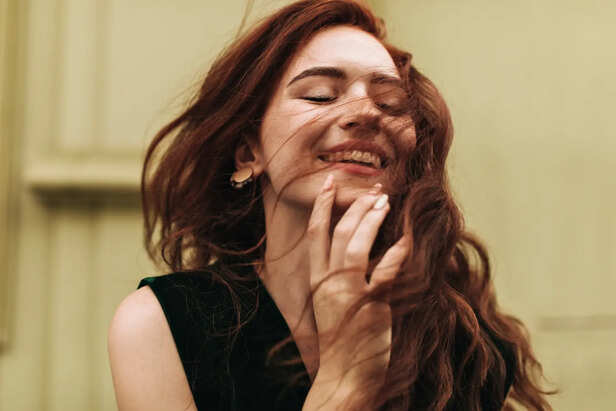
Hydrated Natural Hair in Soft Lighting
Image credit : Pexels
Another sign of healthy hair involves moisture balance.
Hair that feels consistently rough, extremely dry, or fragile may struggle with moisture retention. Meanwhile, healthy hair often maintains reasonable softness and flexibility without feeling excessively greasy or overly dry.
Different hair textures naturally behave differently, though.
Curly, oily, wavy, and straight hair all hold moisture differently due to strand structure. This means healthy hair does not look identical for everyone.
In fact, some natural frizz or texture can actually reflect normal hair behaviour rather than damage.
Modern beauty culture often promotes unrealistic smoothness that may not align with how natural hair behaves in real-world environments.
Humidity, climate, brushing habits, and styling choices all influence appearance temporarily.
Healthy hair generally focuses more on long-term manageability and comfort rather than constant perfection.
This is one reason many younger people now prefer more realistic beauty standards centred around hair health instead of impossible polish.
Your Hair Responds Well to Gentle Care
Simple habits such as gentle washing, reasonable heat protection, balanced conditioning, scalp care, hydration, and reduced mechanical stress often improve overall hair condition over time.
When hair becomes more manageable, softer, less tangled, or easier to style after consistent care, those improvements may indicate reasonable hair health already exists underneath temporary stress.
This matters because many people assume healthy hair requires expensive salon treatments constantly.
While professional care can absolutely help depending on individual needs, healthy hair often develops primarily through consistency rather than luxury products alone.
Overcomplicated routines sometimes create additional stress on both hair and scalp.
In recent years, many Gen Z beauty conversations have shifted toward simpler routines emphasising maintenance and realistic expectations instead of endless product layering.
Because eventually people realised owning fourteen hair serums simultaneously was not necessarily creating emotional peace or healthier follicles.
Your Hair Still Feels Like Hair
Healthy hair is not supposed to feel stiff, overly coated, painfully fragile, or chemically frozen into perfection constantly.
Real hair moves. It reacts to weather. It changes seasonally. Some days it looks smoother than others.
Texture itself is not damage.
A growing number of hair professionals and dermatologists now encourage people to separate normal texture from actual structural problems.
This shift feels important because unrealistic beauty standards have caused many people to treat naturally textured hair as something needing constant correction.
In reality, healthy hair can include waves, volume, softness, movement, flyaways, curls, shrinkage, and changing patterns throughout the week.
Hair health is rarely about looking identical every single day.
The Healthiest Hair Often Looks the Most Natural
Social media has changed how people view beauty, including hair health. Constant exposure to edited images, viral transformations, and unrealistic styling standards has made many individuals hypercritical of perfectly normal hair characteristics.
But healthy hair usually looks far more natural than internet beauty culture suggests.
Dermatologists and hair experts generally focus on factors like scalp balance, moisture retention, elasticity, breakage levels, and overall manageability rather than flawless appearance alone.
This perspective is especially important for younger generations navigating beauty standards online daily.
Hair does not need to look airbrushed to be healthy. Sometimes healthy hair simply means your scalp feels comfortable, your strands remain reasonably strong, and your routine supports your hair instead of constantly fighting against it.
In the end, the healthiest relationship many people can build with their hair may begin with realising that natural texture, movement, and occasional imperfections are not failures needing correction. They are often signs that your hair is simply behaving like real human hair instead of a heavily edited advertisement pretending humidity does not exist.
Unlock insightful tips and inspiration on personal growth, productivity, and well-being. Stay motivated and updated with the latest at My Life XP.