
Botox at 20? Why Gen Z Is Redefining Aging Before It Even Begins
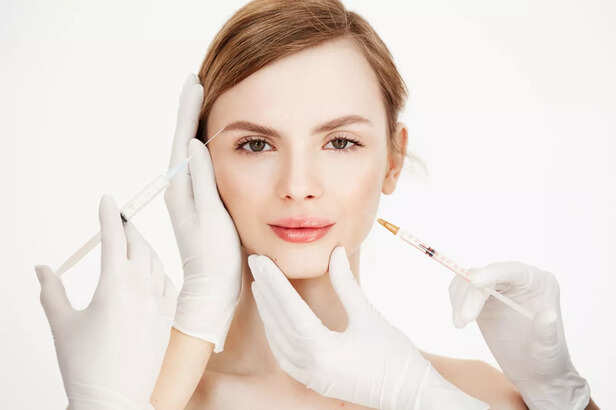
Once considered a secret of Hollywood elites and middle-aged professionals, Botox is now trending among Gen Z, sometimes as early as their late teens. From TikTok skincare hauls to influencer “maintenance routines,” the idea of preventing wrinkles before they even appear has sparked both fascination and controversy. But why is this generation so obsessed with “pre-juvenation”? Let’s dive into the surprising reasons behind this trend.
1. The Rise of "Preventive Botox"
Dermatologists report a sharp increase in 18–25-year-olds requesting Botox not to erase wrinkles, but to prevent them. This phenomenon, often called “preventive Botox,” is marketed as a way to freeze facial muscles early, delaying visible signs of aging. Critics argue it pathologizes natural aging, while supporters claim it’s just another form of self-care.
2. Social Media Pressure and the ‘Filter Face’
Platforms like TikTok and Instagram are filled with smooth-skinned influencers flaunting poreless, ageless looks. Gen Z, growing up in this hyper-visual culture, often compares themselves to digitally altered versions of beauty. The result? Many feel pressured to replicate that “filter face” in real life, with Botox seen as the shortcut.
3. Celebrity & Influencer Endorsement
From Kylie Jenner’s cosmetic tweaks to influencers openly sharing their injectables, Botox is no longer taboo. In fact, transparency around cosmetic procedures has normalized them, making Gen Z more likely to see Botox as “maintenance,” not vanity.
4. Fear of Aging in the Age of Zoom
The pandemic introduced “Zoom dysmorphia,” where constant video calls made people hyper-aware of their appearance. For Gen Z, who were in school or starting careers, this created early anxieties about fine lines, facial expressions, and looking “older” than they are. Botox became the quick fix.
5. The Medical Debate: Harmless or Harmful?
Experts remain divided. While Botox is FDA-approved and generally safe, doctors caution against unnecessary early use, which could lead to over-dependence or even weaken natural facial muscles over time. Ethically, some argue the beauty industry is exploiting insecurities by pushing anti-aging treatments on people who haven’t even begun aging.
A Generation Caught Between Choice and Pressure
The Botox-at-20 trend reveals more than a beauty craze, it highlights deep insecurities, digital pressures, and shifting ideas of self-love. For Gen Z, Botox isn’t just about wrinkles, it’s about identity, belonging, and control in a world where image rules. The big question remains: Is this empowerment, or have we begun aging before we even live?
Unlock insightful tips and inspiration on personal growth, productivity, and well-being. Stay motivated and updated with the latest at My Life XP