
Can Rice Water Really Help You Get Glass Skin?
Why Rice Water Has Become a Skincare Obsession
Spend a few minutes on skincare TikTok, Instagram Reels, or YouTube Shorts, and chances are you'll come across someone praising rice water for their glowing skin. From homemade toners to face rinses, rice water has become one of the most talked-about ingredients among beauty enthusiasts.
Part of its popularity comes from Korean and Japanese beauty traditions, where rice-based ingredients have long been incorporated into skincare products. As interest in glass skin continues to grow, many people are looking for simple and affordable ways to achieve a smoother, brighter complexion.
Rice water often appears as an appealing option because it is inexpensive, easy to prepare, and associated with long-standing beauty practices. However, understanding what it can realistically do is important before expecting dramatic results.
What Exactly Is Rice Water?
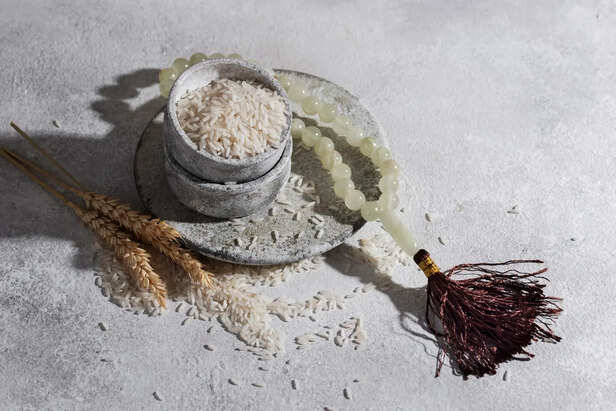
Rice water is simply the water that remains after rice has been rinsed, soaked, or cooked. This liquid contains small amounts of compounds naturally found in rice, including amino acids, carbohydrates, antioxidants, vitamins, and minerals.
Some skincare enthusiasts use plain rice water immediately after soaking rice, while others prefer fermented rice water, which is created by allowing the liquid to sit for a period before use.
Many commercial skincare brands also use rice extracts or rice-derived ingredients in their formulations. These products are often processed differently than homemade rice water and may contain additional ingredients designed to support skin health.
Understanding the Glass Skin Trend
Before discussing whether rice water can help create glass skin, it's important to understand what the term actually means.
Glass skin is not a medical condition or a specific skin type. It is a beauty term used to describe skin that appears exceptionally smooth, hydrated, clear, and reflective. The look is often associated with consistent skincare habits rather than a single product or ingredient.
Many people assume glass skin is achieved through one miracle product. In reality, the appearance is usually the result of multiple factors, including hydration, sun protection, gentle cleansing, moisturization, and overall skin health.
This is where some misconceptions begin. Rice water may support certain skincare goals, but it is unlikely to create glass skin on its own.
What Research Says About Rice Water
Rice and rice-derived ingredients have attracted scientific interest due to their antioxidant and skin-conditioning properties.
Some studies suggest that compounds found in rice may help support the skin barrier and provide soothing effects. Rice bran extracts and fermented rice ingredients have also been investigated for their potential role in improving skin texture and supporting hydration.
However, research specifically examining homemade rice water remains limited. Most available studies focus on isolated rice compounds or professionally formulated skincare ingredients rather than homemade preparations.
This means rice water may have beneficial properties, but current evidence does not support the idea that it can instantly transform skin or guarantee glass skin results.
The most realistic approach is to view rice water as a potentially supportive skincare ingredient rather than a proven solution for every skin concern.
How Rice Water May Support Healthy-Looking Skin
Many people who use rice water report that their skin feels refreshed and comfortable after application. This may be partly due to its lightweight nature and the compounds naturally present in rice.
Rice water is often used as a facial rinse, toner, or soothing step within a broader skincare routine. Some individuals find that it leaves their skin feeling softer or looking more hydrated temporarily.
Hydrated skin tends to reflect light more evenly, which can contribute to the radiant appearance associated with glass skin. However, these effects can vary significantly from person to person.
Factors such as skin type, environment, overall skincare habits, and individual sensitivities all play a role in how any ingredient performs.
What Rice Water Cannot Do
Social media often presents skincare trends in a way that makes dramatic transformations appear effortless.
Rice water is no exception.
While it may support a healthy skincare routine for some individuals, there is currently no reliable evidence showing that rice water can permanently lighten skin, erase acne scars, eliminate pigmentation, or guarantee glass skin.
Skin concerns such as acne, pigmentation, rosacea, or chronic dryness often have multiple causes and may require tailored skincare approaches.
Expecting one ingredient to solve every issue can lead to disappointment and unnecessary frustration.
The healthiest approach is to view rice water as one possible addition to a balanced skincare routine rather than a miracle treatment.
Building a Routine That Supports Glass Skin
If your goal is healthier-looking skin, focusing on daily habits may be more effective than chasing viral trends.
Gentle cleansing helps remove impurities without disrupting the skin barrier. Moisturisers support hydration and comfort. Sunscreen plays an important role in protecting the skin from UV damage, which can contribute to uneven tone and premature ageing.
Hydration, sleep quality, stress management, and overall lifestyle habits also influence how skin looks and feels.
Rice water can potentially fit into this larger picture, but it should not replace the fundamentals of skincare.
The people often associated with glass skin typically follow consistent routines rather than relying on one ingredient alone.
Looking Beyond the Trend
Rice water's popularity reflects a larger truth about skincare: people are always searching for simple ways to achieve healthier-looking skin. While rice water may offer certain benefits and has a long history within beauty traditions, it is not a shortcut to glass skin.
The appearance commonly described as glass skin is usually the result of hydration, consistency, patience, and a routine that works well for an individual's skin needs. Trends can be fun to explore, but sustainable skincare habits often make the biggest difference over time.
For those curious about rice water, it can be an interesting addition to a routine when used thoughtfully. The real goal, however, is not chasing perfection. It's building healthy habits that help your skin look and feel its best.
Unlock insightful tips and inspiration on personal growth, productivity, and well-being. Stay motivated and updated with the latest at My Life XP.