
Doing Everything Right but Still Have Dull Skin? Here’s Why
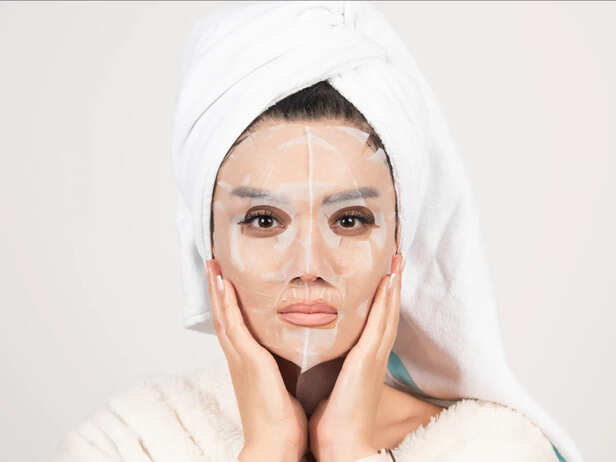
If this sounds familiar, it doesn't necessarily mean your skincare routine is bad. Healthy-looking skin depends on much more than the products sitting on your bathroom shelf. Dead skin-cell buildup, dehydration, sun exposure, irritation, lifestyle factors and even using too many active ingredients can all affect how your skin looks.
So, why does your skin still look dull despite doing everything “right”? Let's break it down.
What Does Dull Skin Actually Mean?
“Dull skin” isn't a medical diagnosis. It's generally used to describe skin that looks less radiant, uneven, rough or tired.
Healthy skin naturally reflects light from its surface. When the surface becomes rough, dehydrated or covered with accumulated dead skin cells, light may not reflect as evenly. The result can be a complexion that appears flat rather than glowing.
Dullness can also be associated with uneven pigmentation, dryness, environmental exposure and irritation.
The important thing is that dull skin doesn't always mean you need another brightening serum.
1. You May Have a Buildup of Dead Skin Cells
Your skin naturally sheds dead cells, but that process isn't always perfectly uniform. When dead cells accumulate on the surface, your complexion can look rough and less radiant.
This is where exfoliation can help. Ingredients such as alpha hydroxy acids (AHAs) can loosen the bonds between dead skin cells, while salicylic acid works differently and is particularly useful for oily or congestion-prone skin.
But more exfoliation isn't necessarily better.
Over-exfoliating can irritate the skin barrier and potentially leave your skin feeling dry, sensitive or uncomfortable. Instead of adding multiple exfoliating products, start with a simple routine and introduce active ingredients gradually.
2. Your Skin Could Be Dehydrated
There's an important difference between dry skin and dehydrated skin.
Dry skin generally refers to a skin type that lacks oil. Dehydrated skin lacks water and can occur in people with oily, combination or dry skin.
Dehydrated skin may look less plump and more tired, with fine lines becoming more noticeable.
A basic moisturizer containing ingredients such as glycerin, hyaluronic acid or ceramides can help support hydration. Applying moisturizer to slightly damp skin can also help reduce water loss from the skin's surface.
And remember: drinking more water is important for overall health, but simply drinking excessive amounts of water isn't a guaranteed solution for dull skin.
3. You're Using Too Many “Active” Ingredients
More skincare products don't automatically mean better skin.
Retinoids, exfoliating acids, vitamin C and other active ingredients can have useful roles in a skincare routine. But layering several powerful products without considering your skin's tolerance can cause irritation.
Signs that your routine may be too aggressive include:
- Stinging or burning
- Persistent redness
- Flaking
- Tightness
- Increased sensitivity
- Skin that feels uncomfortable after cleansing
If your skin is irritated, adding another brightening or exfoliating product may make things worse.
Sometimes the best approach is to simplify your routine: gentle cleanser, moisturizer and sunscreen, while temporarily reducing potentially irritating actives.
4. You May Not Be Protecting Your Skin From the Sun Consistently
One of the biggest reasons skin can appear uneven is UV exposure.
Sun exposure can contribute to pigmentation, uneven skin tone and premature signs of skin ageing. This can make the complexion look less even and radiant over time.
A broad-spectrum sunscreen with an appropriate SPF should be part of your daytime routine, particularly if you're using ingredients that can make your skin more sensitive.
The key is consistency. Applying sunscreen occasionally while spending significant time outdoors isn't the same as using it regularly and reapplying when appropriate.
5. Your Skin May Need More Time
Skincare isn't an overnight process.
Some products can improve how your skin feels relatively quickly, particularly moisturizers. Other changes—such as improvements in pigmentation, acne or overall skin texture—can take considerably longer.
Constantly changing products because you don't see immediate results can actually make your routine harder to evaluate.
Instead, introduce one significant change at a time and give it enough time to assess whether it's helping.
6. Your Skin Barrier May Be Compromised
Your skin barrier helps regulate water loss and protects the skin from external irritants. When it becomes disrupted, your skin may feel dry, tight, flaky or unusually sensitive.
A damaged or irritated barrier can also make your complexion appear less healthy.
A barrier-friendly routine doesn't need to be complicated. Focus on:
Gentle cleansing + adequate moisturization + daily sunscreen
Look for products containing ingredients such as ceramides, glycerin and other skin-supporting moisturizers, depending on your skin type.
Once your skin feels comfortable again, you can gradually reconsider stronger active ingredients.
7. Your Lifestyle Can Show Up on Your Skin
Your skincare routine is only one part of the picture.
Poor sleep, chronic stress, smoking, excessive alcohol consumption and an imbalanced diet can all affect your overall health and potentially influence how your skin looks.
Sleep, in particular, is often overlooked. If your skin looks tired after several nights of poor sleep, adding another serum may not solve the underlying problem.
Think of skincare as one part of a broader approach to skin health.
8. Your Skin May Simply Need the Right Ingredients for Your Specific Concern
“Dull skin” can mean different things to different people.
If your main concern is pigmentation, a routine designed primarily for hydration may not address it effectively.
If your problem is rough texture, adding multiple brightening products may not be the most useful approach.
And if your skin is dehydrated or irritated, aggressively treating pigmentation or texture could make your skin feel worse.
The first step is identifying what's actually causing the dull appearance rather than automatically buying another “glow” product.
What a Simple Routine for Dull Skin Can Look Like
You don't need a 10-step routine to improve your skin's appearance.
Morning
- Gentle cleanser, if needed
- Hydrating or targeted serum, depending on your skin's needs
- Moisturizer
- Broad-spectrum sunscreen
Evening
- Gentle cleanser
- One appropriate active ingredient, if your skin tolerates it
- Moisturizer
The exact products and active ingredients should depend on your skin type, concerns and tolerance.
When Should You See a Dermatologist?
If your skin remains persistently dull despite a consistent, gentle routine—or if dullness is accompanied by significant pigmentation, persistent redness, itching, scaling, acne or sudden changes in your skin—consider seeing a dermatologist.
Sometimes what appears to be a cosmetic concern can have an underlying skin condition that requires a more specific diagnosis and treatment.
The Real Glow-Up
If you're doing everything right but still have dull skin, the answer may not be another skincare product.
Your skin could be dehydrated, irritated, affected by accumulated dead skin cells or sun exposure, or simply dealing with a concern that your current routine isn't designed to address.
Instead of constantly adding new products, take a step back. Keep your routine consistent, protect your skin from the sun, support your skin barrier and give products enough time to work.
Healthy-looking skin isn't necessarily about having a complicated routine. Sometimes, the biggest improvement comes from understanding what your skin actually needs—and what it doesn't.
Unlock insightful tips and inspiration on personal growth, productivity, and well-being. Stay motivated and updated with the latest atMy Life XP