
Stop Washing Your Hair Wrong and You Will See Less Fall in 2 Weeks
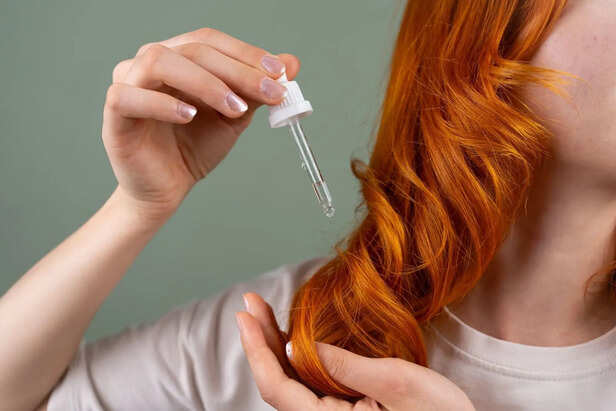
Most people assume hair washing is simple. You shampoo, rinse, condition, dry your hair, and continue life normally. But surprisingly, many everyday hair habits can quietly create unnecessary stress on both the scalp and hair strands over time. Hair experts and dermatologists often explain that healthy hair depends heavily on scalp balance, moisture retention, and reducing mechanical damage during routine care. This matters because hair is actually more fragile than many people realize, especially when wet.
Rough washing, over washing, aggressive towel drying, extremely hot water, heavy product buildup, and harsh shampoos may all contribute to dryness, irritation, breakage, or increased shedding for some individuals. Importantly, hair fall itself can happen for many different reasons including stress, hormonal changes, genetics, nutritional deficiencies, illness, seasonal shedding, and lifestyle habits. No shampoo routine magically fixes every hair concern overnight.
However, healthier washing habits may reduce avoidable stress placed on the scalp and strands, which can improve overall hair condition gradually over time. And honestly, many people spent years scrubbing their scalps like they were trying to remove industrial paint instead of cleaning human hair gently.
Washing Too Frequently Can Disrupt Scalp Balance
One common mistake involves washing hair more frequently than necessary.
Many people believe frequent washing automatically creates healthier hair, especially in social media beauty culture where perfectly fresh-looking hair is constantly presented as the standard.
But scalp health works through balance.
The scalp naturally produces oils called sebum, which help protect both skin and hair strands. Overwashing may remove too much of this natural protection, potentially leading to dryness, irritation, or increased oil production afterward as the scalp tries to rebalance itself.
This does not mean everyone should stop washing regularly.
Different hair types, climates, activity levels, and scalp conditions require different routines. Someone with an oily scalp or active lifestyle may naturally need more frequent washing than someone with dry or textured hair.
The important part is understanding what your scalp actually needs instead of blindly following internet routines designed for completely different hair types.
Healthy hair routines usually depend more on consistency and comfort than strict universal rules.
Hot Water Is Not Helping as Much as You Think
Another overlooked issue involves water temperature.
Hot showers feel relaxing, especially during stressful days, but extremely hot water may strip moisture from both the scalp and hair strands. Over time, this can contribute to dryness, irritation, frizz, or increased fragility for some individuals.
Many hair experts recommend lukewarm water instead because it cleans effectively without excessively removing natural oils.
Cooler water also tends to feel less harsh on sensitive scalps.
Importantly, hair does not need freezing cold water to become healthy. Social media occasionally exaggerates dramatic “cold water transformations” without strong scientific evidence supporting extreme claims.
Balanced care matters more than extremes.
Hair health usually improves through small supportive habits repeated consistently rather than viral beauty hacks turning showers into survival training exercises.
Scrubbing Aggressively Can Cause Breakage
Many people unknowingly wash their hair too aggressively.
Scratching the scalp harshly with nails, rubbing hair roughly together, or pulling tangled wet hair during washing can increase mechanical stress significantly.
Wet hair becomes more vulnerable because the strands temporarily swell and weaken slightly when saturated with water.
Dermatologists often recommend focusing shampoo mainly on the scalp rather than aggressively scrubbing hair lengths. The cleansing foam usually rinses through the strands naturally during washing.
Gentle scalp massage using fingertips instead of nails may also feel less irritating for sensitive scalps.
Similarly, rough towel drying can create friction leading to frizz, breakage, and unnecessary stress along the hair shaft.
This does not mean hair should be treated like fragile antique fabric either.
It simply means gentler handling often supports healthier long-term hair condition better than aggressive routines.
Product Buildup Can Affect the Scalp Too
Modern hair routines involve countless products.
Dry shampoo, styling creams, oils, heat protectants, sprays, gels, masks, leave-in conditioners, texturizing products, and serums now appear in many routines regularly.
While these products can absolutely support styling and manageability, excessive buildup may affect scalp comfort if cleansing routines remain unbalanced.
Some people experience itchiness, heaviness, flakes, or dullness when product residue accumulates over time.
Clarifying shampoos or deeper cleansing products may help occasionally depending on hair type and styling habits, although overusing strong cleansers can also create dryness.
Again, balance matters most.
Healthy hair routines are rarely about eliminating products completely. Instead, they usually involve understanding what helps your scalp feel comfortable and what leaves it stressed or overloaded.
Humanity truly built an entire economy around convincing people they need seventeen hair products before realizing half the issue might just be leftover product sitting on the scalp permanently.
Conditioner Placement Matters More Than People Think
Conditioner helps support moisture, softness, and manageability, but where it gets applied matters too.
Many hair professionals suggest focusing conditioner mainly on mid-lengths and ends instead of heavily coating the scalp, especially for people with oilier hair types.
The scalp naturally produces oil already. Hair lengths, especially longer hair, often need additional moisture because they experience more environmental exposure, friction, heat styling, and dryness.
Applying heavy products directly to the scalp repeatedly may sometimes contribute to buildup or heaviness for certain individuals.
However, textured or very dry hair types may require different conditioning approaches depending on specific needs.
This is why hair care advice should never become overly rigid.
Hair texture, scalp condition, lifestyle, climate, and styling habits all influence what routines feel healthiest individually.
Stress and Lifestyle Affect Hair Too
One important reality often forgotten in hair conversations is that washing habits alone do not determine hair health.
Stress, sleep quality, hormones, genetics, nutrition, illness, medications, and emotional well-being can all influence shedding patterns significantly.
For Gen Z especially, chronic stress and burnout have become increasingly common conversations, and stress itself may affect hair cycles in some cases.
This is partly why people sometimes notice increased shedding during emotionally difficult periods, lifestyle changes, exams, poor sleep cycles, or major stress events.
Healthy hair therefore usually reflects overall health habits too.
Hydration, balanced nutrition, scalp care, gentle styling habits, and emotional well-being all contribute to healthier hair environments gradually over time.
Hair health is rarely about chasing one miracle product.
Better Hair Habits Usually Start Small
One encouraging reality about hair care is that healthier routines often involve simple adjustments rather than dramatic transformations.
Gentler washing, balanced shampoo frequency, moderate water temperature, scalp-friendly products, careful towel drying, and reduced friction may all help support healthier hair condition gradually.
People often expect instant visible results because online beauty culture constantly promotes dramatic transformations. In reality, hair responds more slowly and reflects long-term habits over time.
This is partly why patience matters.
Reducing unnecessary stress on the scalp and strands may support healthier-looking hair, but changes usually happen progressively rather than overnight. And importantly, occasional shedding itself remains normal. Hair naturally moves through growth and shedding cycles continuously.
Healthier Hair Usually Begins With Gentler Habits
Hair fall and hair health involve many factors, including genetics, stress, hormones, nutrition, scalp condition, and everyday care habits. While no routine can guarantee perfect results, healthier washing practices may reduce unnecessary stress placed on the scalp and hair strands over time.
Overwashing, harsh scrubbing, extremely hot water, excessive buildup, and rough handling can sometimes contribute to irritation or breakage, especially when repeated consistently.
Fortunately, healthier hair care often starts with simpler and gentler habits rather than complicated routines.
For younger generations especially, there is growing awareness that hair health depends more on balance, consistency, and scalp care than viral trends or aggressive product routines.
In the end, healthy hair usually responds better to patience and support than panic and overcorrection.
Because despite what social media occasionally suggests, your scalp is not a battlefield requiring daily tactical operations and seventeen emergency serums before sunrise.
Unlock insightful tips and inspiration on personal growth, productivity, and well-being. Stay motivated and updated with the latest at My Life XP.