
Why Acids Sting on Application and Calm Down a Minute Later
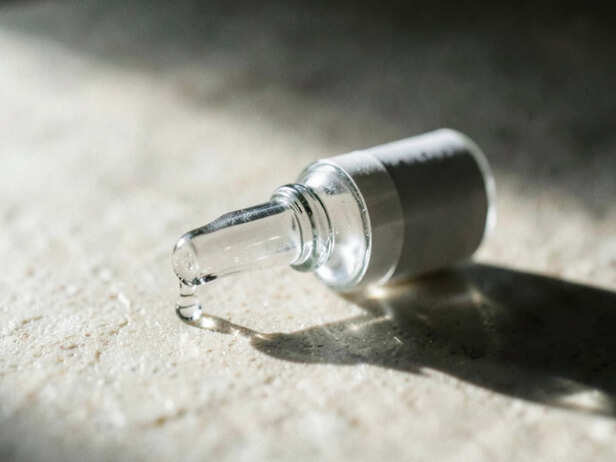
The first time you use an acid toner or serum, the sting can feel alarming, a sharp, almost electric sensation that makes you wonder whether you have done something wrong. A minute later, it is gone. The skin feels normal, sometimes better than normal. Nothing went wrong. What you felt was a sequence of events at the surface of your skin playing out in real time, and the fact that it settles is the point.
What an Acid Is Actually Doing at the Surface
Acids used in skincare, alpha hydroxy acids like glycolic and lactic, beta hydroxy acids like salicylic, work by temporarily lowering the pH at the skin's surface. Your skin sits at a natural pH of roughly 4.5 to 5.5, which is mildly acidic. An acid product arrives at a lower pH than that, typically somewhere between 3 and 4 for an effective exfoliant. That drop in pH is what loosens the bonds between dead skin cells and allows them to shed. It is also what you feel.
Why the Nerve Endings Respond
The outermost layer of skin contains free nerve endings, sensory receptors that respond to chemical changes at the surface. When an acid solution contacts the skin, those receptors detect the shift in pH and the mild chemical activity and send a signal upward. That signal reads as stinging. It is the same family of response as the mild burn you get from a squeeze of lemon on a small cut: the acidity is real, the nerve response is real, and neither of them means damage is occurring. The sting is information, not injury.
Why It Fades in About a Minute
The skin's buffer system is fast. As the acid product spreads across the surface and begins to interact with the skin's own chemistry, the sebum, the natural moisturising factors, the residual sweat, the pH at the surface rises back toward the skin's natural range. The acid is still working, but the sharpest part of the pH differential that triggered the nerve response has already narrowed. The nerve endings stop firing at the same rate. The sting fades not because the product has stopped working but because the initial chemical event has stabilised.
When the Sting Is Fine and When It Is Not
A brief sting that settles within sixty to ninety seconds is within the expected range for most acid products. What falls outside it: a sting that intensifies after the first minute rather than fading, a burning sensation that spreads, visible redness that deepens rather than recedes, or any sensation that persists for several minutes. Those patterns suggest either a concentration that is too high for your current skin tolerance, a compromised barrier from over-exfoliation or a recent procedure, or a reaction to another ingredient in the formula. A patch test on the inner arm before the first full application gives you this information before it matters. If the sting does not settle, rinse the product off with cool water and give the skin a few days before trying again at a lower frequency.
What Concentration Does to the Sensation
The intensity of the initial sting tracks roughly with the acid concentration and the product's pH. A low-concentration lactic acid at around 5% buffered to a pH of 4 will produce a mild tingle that most people barely register. A glycolic acid at 10% sitting at a pH closer to 3 will produce a more noticeable sting, especially on skin that is new to acids or has been recently sensitised. This is why most formulations designed for daily use are buffered higher and kept at lower concentrations, not because they are less effective, but because the mechanism works across a range and a milder sting is not a less effective product.
The Skin That Stings More and the Skin That Stings Less
Skin with a disrupted barrier stings more. When the outermost layer is compromised, from over-exfoliation, from a harsh cleanser, from dry weather pulling moisture out, the nerve endings are closer to the surface and the skin's own buffering capacity is reduced. The acid hits a more reactive surface and the sting is sharper. Skin that has used acids consistently for several months tends to sting less, not because it has become immune but because regular exfoliation keeps the surface in better condition and the barrier more intact. The sting reducing over time is a sign of a healthier surface, not of the product losing its effect.
The sixty-second window is the acid doing two things at once: changing the chemistry at the surface to do its job, and then being met by the skin's own systems restoring equilibrium. The sting is the first half of that exchange. The calm is the second. Both are the product working.
Unlock insightful tips and inspiration on personal growth, productivity, and well-being. Stay motivated and updated with the latest at My Life XP.