
Why Does Your Face Turn Red After a Hot Shower?
Why Does Your Face Turn Red After a Hot Shower?
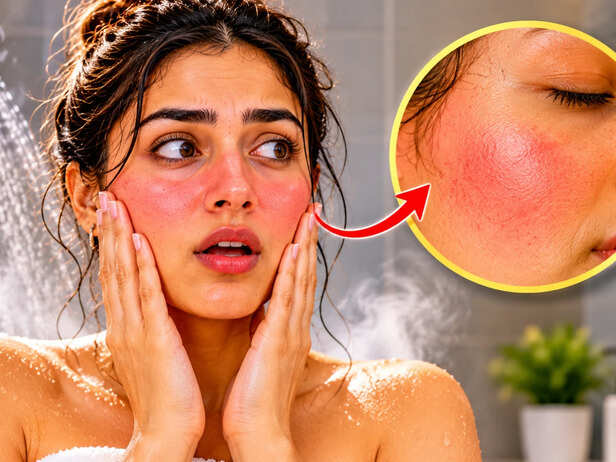
A hot shower may feel relaxing, especially during colder months, but high water temperatures can affect your skin. Heat causes blood vessels near the skin's surface to widen, increasing blood flow and making your face appear red.For some people, this redness disappears within a few minutes. However, if it happens frequently, lasts longer or comes with itching and burning, there may be other factors involved.Here are six possible explanations.
1. Heat Causes Blood Vessels to Expand
One of the most common reasons for facial redness after a hot shower is the body's natural response to heat.When hot water touches your skin, blood vessels near the surface expand to help release excess body heat. This increased blood flow can make your cheeks, nose and forehead look flushed.The redness is usually temporary and gradually fades as your body temperature returns to normal.
What can help?
- Use lukewarm water instead of very hot water.
- Keep showers reasonably short.
- Avoid exposing your face directly to hot water for long periods.
2. Your Skin Barrier May Be Sensitive or Damaged
Your skin barrier protects the outer layer of your skin and helps prevent moisture loss. However, frequent hot showers, harsh cleansers and excessive exfoliation can weaken this protective layer.When the skin barrier is compromised, your face may react more strongly to heat, water and skincare products. You may notice redness along with dryness, tightness, stinging or a burning sensation.
What can help?
Use a gentle, fragrance-free cleanser and apply a moisturiser containing ingredients such as ceramides, glycerin or hyaluronic acid. Avoid harsh scrubs and strong exfoliating products until your skin feels comfortable again.
3. You May Have Rosacea
Rosacea is a chronic inflammatory skin condition that commonly affects the central part of the face, particularly the cheeks, nose, forehead and chin.People with rosacea may experience frequent flushing or redness. Heat, hot showers, sunlight, spicy foods and alcohol can trigger these episodes.
Other signs may include:
- Persistent redness across the cheeks and nose.
- Small red bumps that resemble acne.
- Visible tiny blood vessels.
- Burning or stinging sensations.
- Eye irritation in some cases.
Hot showers do not cause rosacea, but they can trigger or worsen its symptoms.
What can help?
Avoid very hot water and identify your personal triggers. If facial redness keeps returning or does not settle, consult a dermatologist for proper evaluation and treatment.
4. Your Skin May Be Reacting to Soap or Shower Products
Sometimes, the problem is not the water temperature alone. Your face may be reacting to a soap, body wash, shampoo or fragrance used during your shower.Certain ingredients can irritate sensitive skin or trigger allergic contact dermatitis. Heat may make the irritation more noticeable.
Watch for symptoms such as:
- Itching or burning.
- Red patches.
- Dryness or scaling.
- Swelling or irritation around the eyes.
Allergic contact dermatitis may develop hours or even days after exposure, while irritant reactions can occur more quickly.
What can help?
Stop using products that appear to trigger the reaction. Choose fragrance-free products designed for sensitive skin. If the irritation continues, a dermatologist may recommend patch testing to identify a possible allergy.
5. Hot Water Can Worsen Skin Dryness
Hot water can remove some of the natural oils that help keep your skin moisturised. This may leave your face feeling dry, tight and uncomfortable.People with naturally dry skin or conditions such as eczema may be more sensitive to this effect.In some cases, dryness can make the skin appear red or irritated, particularly around the cheeks and nose.
What can help?
- Take shorter showers with lukewarm water.
- Avoid harsh soaps and cleansers.
- Gently pat your face dry instead of rubbing it.
- Apply moisturiser while your skin is still slightly damp.
6. You May Have Heat-Induced Flushing
Some people experience facial flushing whenever their body temperature rises. This can happen after a hot shower, exercise, exposure to warm weather or drinking hot beverages.The redness develops because blood vessels expand in response to heat. It may affect the cheeks, neck and upper chest.If flushing is occasional and disappears quickly, it may simply be a normal response to heat. However, frequent episodes may be associated with rosacea, certain medications or other medical conditions.
What can help?
Try reducing your exposure to sudden temperature changes. Use cooler water, keep your bathroom ventilated and avoid staying in a hot shower for too long.
When Should You See a Dermatologist?
Temporary facial redness after a hot shower is often harmless. However, you should consider consulting a dermatologist if:
- Redness continues for a long time after your shower.
- Your face becomes red even without heat exposure.
- You experience repeated burning, itching or stinging.
- You notice visible blood vessels or acne-like bumps.
- Your skin becomes increasingly dry, flaky or irritated.
- The redness is getting worse or affecting your daily comfort.
If facial redness occurs with sudden swelling of the lips or tongue, difficulty breathing or throat tightness, seek emergency medical attention because these may be signs of a serious allergic reaction.
Simple Ways to Prevent Facial Redness After Showering
You do not necessarily need to stop enjoying showers. A few changes to your routine may help reduce irritation:
- Lower the water temperature: Choose lukewarm water rather than steaming hot showers.
- Avoid harsh cleansers: Use mild, fragrance-free products.
- Do not over-exfoliate: Frequent scrubbing can irritate the skin barrier.
- Moisturise after bathing: Apply a suitable moisturiser while your skin is slightly damp.
- Keep showers short: Long exposure to hot water can increase dryness and flushing.
- Identify your triggers: Notice whether particular products or temperatures make the redness worse.
Listen to What Your Skin Is Telling You
A red face after a hot shower is often your body's response to heat and increased blood circulation. However, repeated redness accompanied by burning, dryness, itching or visible blood vessels may point towards an underlying skin concern such as rosacea or dermatitis.The first step is to reduce water temperature and simplify your skincare routine. If the problem continues, a dermatologist can help identify the cause and recommend appropriate treatment.
Unlock insightful tips and inspiration on personal growth, productivity, and well-being. Stay motivated and updated with the latest at My Life XP.