
Why Some People Look Better in Real Life Than They Do on Social Media
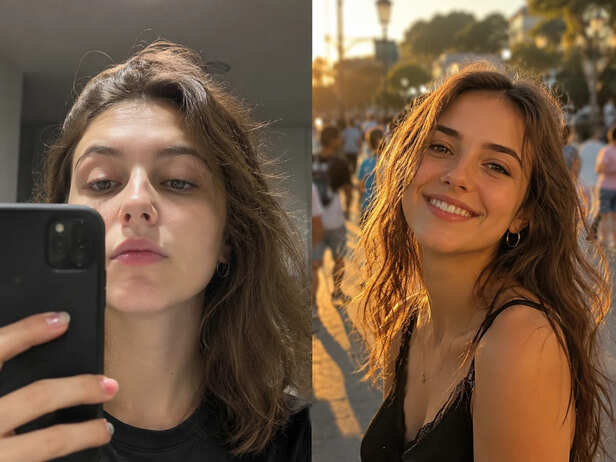
Scroll through social media and you will notice something strange. Some people look incredibly polished online, almost unreal, while others who seem average in photos appear strikingly attractive in real life. This gap is not random. It comes from how cameras capture reality, how humans perceive faces, and how digital platforms reshape beauty itself. Real-life attractiveness is dynamic. It includes expressions, voice, energy, and presence. Social media, on the other hand, freezes a single second and often flattens everything that makes a person feel alive. That difference explains why someone can look better standing in front of you than on your screen.
The Camera Does Not See Like the Human Eye
One of the biggest reasons for this mismatch is simple. Cameras are not human eyes. A phone camera compresses depth and flattens facial features. This can make noses look larger, jaws less defined, and proportions slightly off. Wide-angle lenses, commonly used in selfies, exaggerate these distortions even more. In real life, people see you in motion from multiple angles. The brain continuously adjusts perception, creating a balanced and natural image of your face. A static photo cannot replicate that fluid experience. Even slight lens differences can change everything. A face that looks ordinary in a selfie can appear naturally balanced and attractive in person because the distortion disappears.
Lighting Changes Everything About Facial Perception
Lighting is one of the most underrated factors in attractiveness. Social media photos are often taken under harsh indoor lighting, front flash, or uneven natural light. These conditions can emphasize shadows, skin texture, and asymmetry. In real life, lighting is constantly shifting. Your face is seen in soft movement under different angles, which smooths imperfections naturally. Warm, ambient lighting also enhances facial depth and expression. It creates a three dimensional look that cameras often fail to capture. This is why someone might look “better in person” even if their photos seem average.
Movement, Expression, and Energy Cannot Be Captured in a Frame
A photograph captures a moment. A person in real life is a continuous experience. Subtle expressions like a half smile, eye movement, laughter, or the way someone speaks dramatically change how attractive they appear. These details disappear in static images. Human attraction is deeply tied to movement and energy. The brain responds to rhythm, personality, and micro expressions that no filter can recreate. This is why someone who looks simple in photos can feel magnetic in person. Their presence adds layers that a still image cannot deliver.
Social Media Filters and Editing Shift Reality
Social media has created a strong editing culture. Even minimal filters can alter skin tone, jawlines, and eye sharpness. Over time, people get used to seeing edited versions of faces, which sets unrealistic expectations. When they meet someone in real life, the natural version may actually feel more appealing because it is more human and relatable. There is also a growing trend of over-polished profiles. When everything looks too perfect online, it can feel artificial. In contrast, real-life imperfections, such as natural skin texture or spontaneous expressions, can actually increase attractiveness. This reversal explains why offline presence sometimes feels more “real” and visually pleasing.
Psychology of Presence and Human Connection
Attractiveness is not only visual. It is psychological. In real life, people perceive confidence, tone of voice, posture, and emotional energy. These factors significantly influence how attractive someone appears. A calm and confident presence can elevate physical appearance instantly. Similarly, warmth and authenticity make facial features more appealing because the brain connects them with positive emotion. Social media removes this emotional layer. Without personality cues, the brain relies only on visuals, which can be misleading or incomplete. This is why meeting someone in person often changes your entire perception of them.
The Full Picture Is Always Offline
The difference between online and offline attractiveness is not about being more or less beautiful. It is about how incomplete digital perception is compared to real human experience. Cameras freeze fragments. Real life shows continuity. Social media flattens presence. Real life adds depth. When all these layers come together, some people naturally appear more attractive in person than any filtered image could ever show.
Unlock insightful tips and inspiration on personal growth, productivity, and well-being. Stay motivated and updated with the latest atMy Life XP.