
What Happens If You Wear Shoes Inside a Japanese Home?
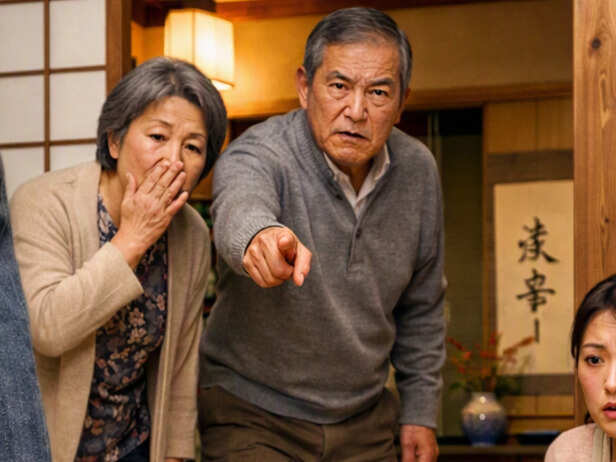
You arrive at a Japanese home, greet your host, and walk straight inside wearing your outdoor shoes. A moment later, you notice everyone looking at your feet.
What went wrong?
One Small Mistake at the Door
In many Japanese households, removing outdoor shoes before entering the main living area is an established custom. Walking inside with them on may bring dirt onto the floor, damage traditional flooring, or make your host feel that an important household rule has been overlooked.
However, this does not mean that every Japanese person will react angrily or that wearing shoes indoors is forbidden everywhere in Japan. The rules depend on the home or building.To understand why this small mistake matters, it helps to look at how Japanese homes are designed and why the entrance plays such an important role.
1. What Actually Happens If You Wear Shoes Inside?
The first thing that may happen is simple: your host asks you to take your shoes off.In many homes, guests are expected to remove outdoor footwear at the entrance before stepping onto the raised indoor floor. If you walk past this point in your shoes, your host may politely remind you of the custom.The main concern is usually practical rather than dramatic. Outdoor shoes can carry dust, mud, moisture, and other dirt into areas where people sit, relax, eat, or sleep.
In homes with traditional flooring, this can be particularly inconvenient. Your host may need to clean the affected area or check whether the flooring has been marked.There is also a social side to the situation. Ignoring a household custom can come across as careless, especially if the rule is clearly indicated.
Will your host get angry?
Not necessarily. Reactions vary from person to person. A host may simply point towards the shoe rack or explain what to do. Visitors who are unfamiliar with Japanese customs are generally better off correcting the mistake politely rather than worrying about it.
2. Why Do Japanese Homes Have a No-Shoes Custom?
The tradition has a strong connection to the way Japanese homes were used in the past.In traditional homes, floors were not just surfaces for walking. People often sat on cushions placed on the floor, ate meals at low tables, and slept on futons spread out in living spaces.Keeping outdoor shoes away from these areas helped maintain a clean and comfortable environment.
The role of tatami mats
Tatami mats, traditionally made with woven plant material, are an important feature of many Japanese interiors. They provide a surface for sitting and other everyday activities.Walking on tatami in outdoor shoes can introduce dirt and moisture and may damage the mats. Even in modern homes, where wooden floors and other materials are common, removing shoes remains a familiar household routine.Over time, a practical habit became part of everyday etiquette.
The custom is not simply about keeping a house spotless. It also reflects how indoor spaces are used and how people are expected to care for them.
3. What Is a Genkan, and Why Should You Notice It?
One detail that makes Japanese homes especially interesting is the genkan, the entrance area where people usually remove their shoes.In many homes, the genkan has a lower floor than the main living area. Outdoor shoes are left at this lower level, while the raised floor marks the beginning of the indoor space.This arrangement creates a clear boundary between outside and inside.
How to recognise the entrance
When entering a Japanese home, look for:
- A small entrance area below the main floor level.
- A shoe rack or a space where footwear is arranged.
- Indoor slippers placed near the entrance.
- A raised floor leading into the living area.
If you notice these features, pause before walking further inside.
Your host may also turn your shoes towards the entrance after you remove them, making them easier to put on when you leave. You do not need to worry about getting every detail perfect, but keeping your footwear neatly arranged is a considerate gesture.
4. Why Are Indoor Slippers Sometimes Not Enough?
Here is something that can surprise first-time visitors: removing outdoor shoes does not always mean you can wear slippers everywhere.Some Japanese homes provide indoor slippers for guests. These are intended for use on certain indoor floors, but traditional rooms may have different rules.
What happens in a tatami room?
If you enter a room covered with tatami mats, you will generally be expected to remove your slippers before stepping onto the mats.This helps protect the flooring and follows the customs associated with traditional Japanese interiors.You may also encounter separate slippers for the toilet. In some homes and traditional establishments, these are used only inside the toilet area and left there when you exit.For visitors, the arrangement can seem complicated at first. The easiest solution is to observe your host and follow any instructions provided.
Remember, the rules can vary between households. Not every Japanese home uses the same arrangement.
5. Do You Have to Remove Shoes in Every Japanese Building?
No. This is an important distinction.Although removing shoes is common in Japanese homes, it is not a universal requirement in every building.Ordinary shops, offices, railway stations, and many modern commercial buildings generally allow outdoor footwear. Other places, including some traditional inns, temples, and restaurants, may ask visitors to remove their shoes before entering particular areas.Schools also commonly have designated places where students change from outdoor shoes into indoor footwear.
Where should you be more careful?
Japanese homes: Removing outdoor shoes before entering the main living area is generally expected.
Traditional inns: At a ryokan, you may need to remove shoes at the entrance and follow separate footwear rules in different areas.
Tatami rooms: Slippers are usually removed before stepping onto the mats.
Temples and traditional buildings: Requirements vary, so look for signs or follow staff instructions.
The lesson is simple: do not assume the same footwear rule applies everywhere. Pay attention to the entrance and the instructions given at each place.
6. What Should Tourists Do to Avoid an Awkward Moment?
If you are visiting Japan for the first time, a few simple habits can help you feel more comfortable.
Follow these five easy steps
1. Pause at the entrance. Before stepping inside, look for a shoe rack, a lower entrance floor, or other signs that outdoor footwear should be removed.
2. Remove your shoes when expected. Leave them neatly in the designated area rather than carrying dirt onto the indoor floor.
3. Wear clean socks. Since you may need to remove your shoes in several places, clean and presentable socks are a sensible choice.
4. Check before entering tatami rooms. If slippers are provided, do not assume they can be worn on every surface.
5. Ask if you are unsure. A simple, polite question can prevent confusion. Your host or the staff at an establishment can explain what is expected.
These steps are useful because they show that you are paying attention to local customs. You do not need to know every Japanese etiquette rule before arriving. Being observant and respectful goes a long way.
7. Is This Custom Similar to Removing Shoes in India?
For many Indian readers, the practice may feel familiar.In numerous Indian households, people remove their shoes before entering the home, a prayer room, or another space where cleanliness is especially important. Some families also keep separate footwear for particular areas.The exact rules differ between families, regions, and religious or cultural settings. The Japanese custom has its own history and household practices, but the basic idea of separating outdoor footwear from indoor living spaces may be easy for Indian readers to understand.The difference is often in the details. The Japanesegenkan, the raised entrance, tatami flooring, and the use of different slippers create a particular system for moving between spaces.
Looking at these similarities and differences helps us understand another culture without treating its customs as strange or unfamiliar simply because they are different from our own.
Conclusion: A Small Gesture That Shows Respect
So, what happens if you wear shoes inside a Japanese home?
You may be asked to remove them, your host may need to clean the floor, or you may unintentionally overlook an important household custom. In most situations, the sensible response is to apologise briefly, remove your shoes, and follow your host's instructions.The practice developed partly because traditional Japanese homes used floors for sitting, eating, and sleeping. Thegenkancreated a clear boundary between outdoor and indoor areas, while customs involving tatami and indoor slippers helped keep different spaces clean.
Today, removing shoes remains common in Japanese homes, although footwear rules vary across buildings and households.
The next time you travel abroad, remember that everyday habits can carry a history that is not immediately obvious. Sometimes, respecting another culture does not require a grand gesture. It begins with something as simple as stopping at the door and taking off your shoes.
Unlock insightful tips and inspiration on personal growth, productivity, and well-being. Stay motivated and updated with the latest at My Life XP