Why BTS Rejected the Grammys? Ricky Kej Reveals the Truth
Noopur Kumari | Aug 05, 2026, 10:13 IST
BTS surprised fans by choosing not to submit ARIRANG for the 2027 Grammy Awards. Soon after, Grammy-winning composer Ricky Kej supported the group's concerns, arguing that the new Best Asian Pop Performance category may unintentionally separate Asian artists instead of promoting equality. His comments have sparked an important debate about how global musicians are recognised and whether the Recording Academy needs deeper reforms rather than new regional award categories.

BTS opts out of 2027 Grammy Awards nominations, says music should be heard "rather than being divided"
Image credit : ANI
What happens when one of the world's biggest music groups decides not to compete for music's most prestigious award? BTS' decision to keep ARIRANG out of the 2027 Grammy race has raised questions far beyond one album. Their move has sparked a global discussion about fairness, representation, and whether international artists truly receive equal opportunities. Now, three-time Grammy winner Ricky Kej has joined the conversation, offering a perspective that is making fans and music experts rethink what inclusion at the Grammys should really look like.
!["Almost like a validation for my entire career....": Musician Ricky Kej on receiving Padma Shri]()
BTS surprised the music industry by announcing that ARIRANG would not be submitted for Grammy consideration. Rather than focusing on winning another international honour, the group said they wanted music to be judged by creativity and artistic value instead of language or geography. Their decision immediately became a global talking point because it challenged the way one of the world's biggest award shows recognises international artists. Fans praised the move as a stand for equal treatment, while others questioned whether the Grammys are ready to reflect today's truly global music industry.
![Grammy winner Ricky Kej returns for 11th year, celebrates sustainability and cultural pride]()
Three-time Grammy winner Ricky Kej believes the newly introduced Best Asian Pop Performance category does not solve the bigger problem. According to him, creating a regional award may look like progress, but it could unintentionally separate Asian artists from competing in major Grammy categories. Kej argues that genuine inclusion means allowing artists to compete equally, regardless of where they come from. His opinion has added credibility to the debate because it comes from someone who has experienced the Grammy system firsthand.
One of Ricky Kej's biggest concerns is how Grammy submissions are handled. He pointed out that songs entered in the Best Asian Pop Performance category may become ineligible for several mainstream performance categories. He also noted that genre committees have the authority to move submissions into the Asian category. Critics believe this could reduce the visibility of Asian artists instead of increasing it. The discussion is no longer about one award but about whether international musicians are being offered equal opportunities.
The conversation is not limited to BTS or K-pop. Ricky Kej highlighted that Asia is home to thousands of artists from countries including India, Vietnam, Iran, Saudi Arabia, Sri Lanka, Türkiye and Armenia. Yet many of these musical traditions remain largely absent from Grammy recognition. He believes the Recording Academy should expand its global voting membership and offer stronger representation for artists from different cultures instead of relying on geographically defined award categories.
BTS' decision has become more than a headline because it highlights a larger issue facing global music. The group has consistently shown that songs in different languages can connect with audiences worldwide. By stepping away from Grammy consideration, they have encouraged a conversation about fairness rather than trophies. Whether or not the Recording Academy changes its approach, this debate has already encouraged fans, artists and industry leaders to ask an important question: should music ever be judged by where it comes from instead of how it moves people?
Unlock insightful tips and inspiration on personal growth, productivity, and well-being. Stay motivated and updated with the latest at My Life XP.
A Decision That Changed the Conversation
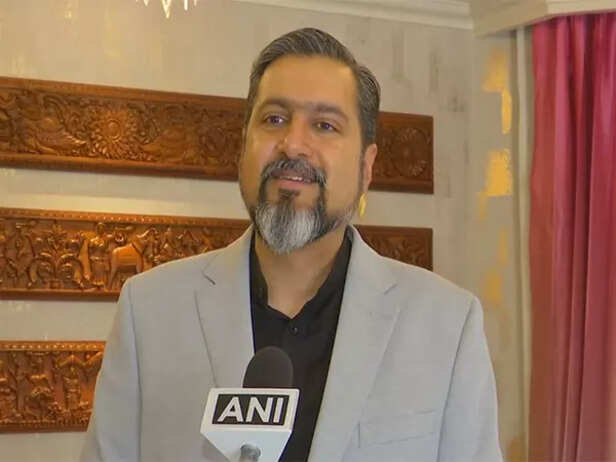
"Almost like a validation for my entire career....": Musician Ricky Kej on receiving Padma Shri
Image credit : ANI
BTS surprised the music industry by announcing that ARIRANG would not be submitted for Grammy consideration. Rather than focusing on winning another international honour, the group said they wanted music to be judged by creativity and artistic value instead of language or geography. Their decision immediately became a global talking point because it challenged the way one of the world's biggest award shows recognises international artists. Fans praised the move as a stand for equal treatment, while others questioned whether the Grammys are ready to reflect today's truly global music industry.
Ricky Kej Questions the New Category
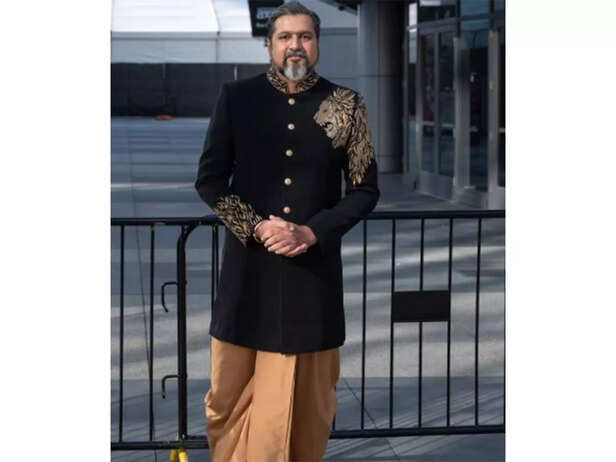
Grammy winner Ricky Kej returns for 11th year, celebrates sustainability and cultural pride
Image credit : ANI
Three-time Grammy winner Ricky Kej believes the newly introduced Best Asian Pop Performance category does not solve the bigger problem. According to him, creating a regional award may look like progress, but it could unintentionally separate Asian artists from competing in major Grammy categories. Kej argues that genuine inclusion means allowing artists to compete equally, regardless of where they come from. His opinion has added credibility to the debate because it comes from someone who has experienced the Grammy system firsthand.
Why the Rules Are Being Questioned
A Bigger Question About Global Representation
What BTS Wants the Industry to Remember
Unlock insightful tips and inspiration on personal growth, productivity, and well-being. Stay motivated and updated with the latest at My Life XP.