Why Sonam Wangchuk Won't Break His Fast Until Students Get This Assurance
Noopur Kumari | Jul 23, 2026, 10:00 IST
Sonam Wangchuk says he is prepared to end his hunger strike immediately, but only if the government gives one clear assurance: that no student or young protester will face legal action for participating peacefully. His appeal reflects a larger debate about accountability, peaceful protest and the need to rebuild confidence in India's education system. Here's a closer look at why this single demand has become the centre of the movement.

"I am still alive": Sonam Wangchuk reiterates demand for no legal action against July 20 protesters
Image credit : ANI
For nearly a month, Sonam Wangchuk has remained on a hunger strike, saying his fight is not about politics but about protecting the future of students. Even after being admitted to the hospital, he has continued his fast, insisting that young protesters should not face legal action for demanding accountability in the NEET paper leak case. His latest appeal has shifted the conversation from protest to trust, raising an important question about how governments respond when students speak up.
Sonam Wangchuk has made it clear that his hunger strike is no longer centred on his own health. Instead, he says it will end only if the government publicly assures that students and young protesters will not face legal consequences for taking part in peaceful demonstrations. According to him, this promise would show that the voices of young people are being heard and respected rather than punished.
![Sonam Wangchuk demands no punitive, retaliatory legal action against protestors as condition to end hunger strike]()
Throughout his appeal, Wangchuk has repeatedly placed students at the centre of the discussion. He believes those who protested were asking for transparency and accountability, not creating unrest. His message is that young people should feel safe expressing their concerns about the education system without worrying about legal action. This has become one of the strongest themes of his movement.
After spending weeks on hunger strike, Wangchuk has shared that he has lost significant weight and continues to receive treatment in hospital. Even while recovering under medical supervision, he has maintained that his commitment to students remains stronger than his personal discomfort. His health updates have added an emotional dimension to the movement and drawn wider public attention to his demands.
Rather than calling for confrontation, Wangchuk has consistently spoken about the importance of dialogue. He welcomed meetings with government representatives and expressed hope that discussions could lead to meaningful action. His position suggests that lasting solutions come through communication, transparency and mutual trust instead of prolonged conflict between protesters and authorities.
Another important part of Wangchuk's appeal is his concern for families affected by the NEET paper leak controversy. He has welcomed discussions about providing support to families who lost loved ones and believes compassion should remain part of the government's response. For him, rebuilding confidence in the education system requires both accountability and empathy for those who have suffered.
Wangchuk has repeatedly praised students for keeping their demonstrations peaceful despite difficult situations. He believes peaceful protest is an important democratic right and has urged everyone involved to continue expressing their views responsibly. His message focuses on discipline, patience and respect, showing that change can be pursued without violence or confrontation.
What began as one person's hunger strike has gradually become a broader discussion about fairness, accountability and the future of competitive examinations. Wangchuk says he hopes to return to his work in education, but only after receiving assurance that students will not be punished for raising their voices. His appeal reflects a larger belief that restoring trust in the education system requires listening to the people it serves the most.
Unlock insightful tips and inspiration on personal growth, productivity, and well-being. Stay motivated and updated with the latest at My Life XP.
A Fast With One Clear Condition
ABHI BHI ZINDA HUN.... DAY 25 pic.twitter.com/SnwKXMfvOO
— Sonam Wangchuk (@Wangchuk66) July 22, 2026
Sonam Wangchuk has made it clear that his hunger strike is no longer centred on his own health. Instead, he says it will end only if the government publicly assures that students and young protesters will not face legal consequences for taking part in peaceful demonstrations. According to him, this promise would show that the voices of young people are being heard and respected rather than punished.
Students Remain at the Heart of His Appeal
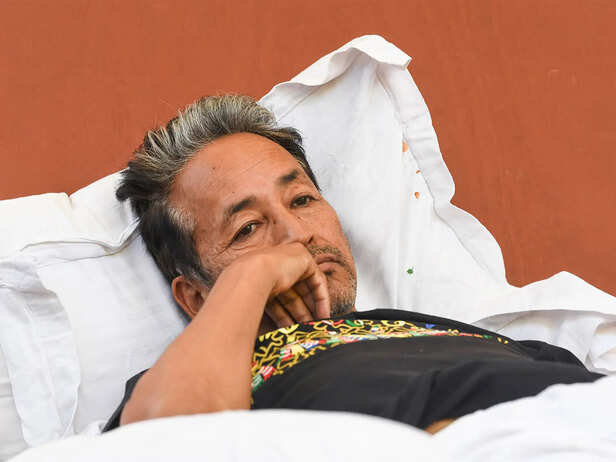
Sonam Wangchuk demands no punitive, retaliatory legal action against protestors as condition to end hunger strike
Image credit : ANI
Throughout his appeal, Wangchuk has repeatedly placed students at the centre of the discussion. He believes those who protested were asking for transparency and accountability, not creating unrest. His message is that young people should feel safe expressing their concerns about the education system without worrying about legal action. This has become one of the strongest themes of his movement.
Health Has Become a Growing Concern
Dialogue Over Confrontation
A Call for Compassion
Peaceful Protest Remains His Message
More Than One Man's Protest
Unlock insightful tips and inspiration on personal growth, productivity, and well-being. Stay motivated and updated with the latest at My Life XP.