
5 Hidden Signs of Ovarian Cancer You Should Never Ignore
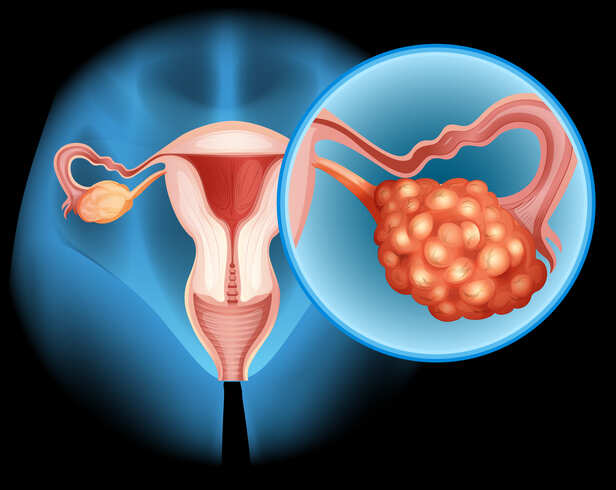
Most women experience bloating, tiredness, or stomach discomfort from time to time. It is easy to blame stress, hormones, or a busy lifestyle. But what if those "normal" symptoms are your body's quiet way of asking for help? Ovarian cancer is often called the silent disease because its early signs are subtle and can easily be mistaken for everyday health issues. Knowing the difference between a temporary discomfort and a persistent change could make all the difference. Listening to your body is not overreacting. It is one of the smartest health decisions you can make.
When Everyday Symptoms Stop Being Normal
Many ovarian cancer symptoms resemble common digestive or hormonal problems. Bloating after meals, mild pelvic discomfort, or changes in appetite may not seem alarming at first. However, the key difference is persistence. If these symptoms occur almost every day for several weeks or continue getting worse, they deserve medical attention. Your body often notices changes long before tests do. Paying attention to patterns rather than isolated symptoms is one of the most important steps toward protecting your health.
The Silent Signs That Deserve Attention
Early ovarian cancer symptoms often include persistent bloating, feeling full after eating only a small amount, pelvic or abdominal pain, unexplained fatigue, and frequent urination or constipation. Any one of these symptoms may have a harmless explanation. However, when several occur together or last for more than a few weeks, they should not be ignored. Persistent symptoms are far more important than occasional discomfort and deserve a conversation with your healthcare provider.
Why Early Diagnosis Is So Difficult
Unlike some other cancers, there is currently no routine screening test recommended for women at average risk of ovarian cancer. This makes awareness especially important. Because the symptoms are common and non-specific, many women delay seeking medical advice. Healthcare professionals often recommend evaluation when symptoms are new, persistent, becoming more frequent, or noticeably different from your usual health. Trusting your instincts about your body can play an important role in early detection.
Know If You Have Higher Risk
Although ovarian cancer can affect any woman, certain factors increase the risk. These include a family history of ovarian or breast cancer, inherited BRCA1 or BRCA2 gene mutations, increasing age, especially after menopause, and certain reproductive or hormonal factors. Having these risk factors does not mean you will develop ovarian cancer, but discussing them with your doctor can help determine whether additional monitoring or genetic counseling is appropriate.
Simple Steps That Could Protect Your Health
If symptoms continue for several weeks, begin recording when they occur, how often they happen, and whether they are becoming worse. Share this information with your doctor during your appointment. Do not ignore persistent bloating, ongoing fatigue, or unexplained pelvic pain simply because they seem minor. Seeking medical advice early often provides reassurance when the cause is harmless and allows timely diagnosis if further testing is needed.
Listening To Your Body Could Save Your Life
Your body constantly communicates through small signals. Most changes are harmless, but some deserve careful attention. Ovarian cancer is challenging because its earliest symptoms often look ordinary. Instead of living in fear, choose awareness. If something feels different, persists, or interferes with daily life, do not wait months before seeking help. Early conversations with your healthcare provider can offer reassurance, answers, and when necessary, life-saving treatment.
Unlock insightful tips and inspiration on personal growth, productivity, and well-being. Stay motivated and updated with the latest at My Life XP