6 Everyday Foods Quietly Raising Your Heart Attack Risk
Noopur Kumari | Mon, 09 Mar 2026
Heart disease often develops silently over years, fueled by daily eating habits people rarely question. Many commonly consumed foods contain hidden fats, sodium, refined carbohydrates, and added sugars that gradually damage blood vessels and increase the risk of heart attacks. From processed meats to sugary drinks and ultra-processed convenience foods, these dietary choices can trigger inflammation, raise blood pressure, and accelerate plaque buildup in the arteries. Awareness is the first line of defense. Recognizing these six common food groups can help people make smarter choices and protect their heart health before small habits turn into serious medical problems.

Cold wave and pollution surging heart diseases, COPD, asthma cases in Delhi: AIIMS
Image credit : IANS
Heart attacks rarely arrive without warning. But the warning signs are often invisible. Many people believe heart problems come only from obvious unhealthy foods like deep-fried snacks or greasy fast food. The reality is far more surprising. According to vascular surgeons, some of the most common foods people eat every day can slowly damage arteries over time. These foods quietly raise blood pressure, increase inflammation, and cause cholesterol buildup. The danger is not in one meal. It is in the habit. Understanding which foods silently harm your heart may be one of the most important steps toward protecting your future health.
![Processed Meats and Heart Health]()
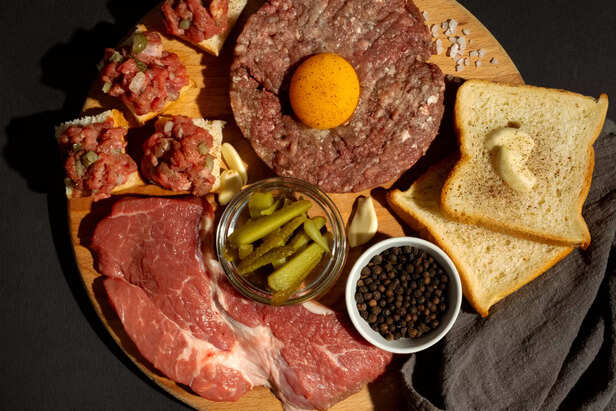
Processed foods like sausages, salami, seekh kebabs, and rich meat curries often contain large amounts of saturated fat and sodium. These ingredients gradually raise cholesterol levels and increase blood pressure. Over time, this combination can damage the inner lining of arteries, making it easier for plaque to form. While these foods may feel comforting and flavorful, regular consumption can silently increase cardiovascular risk. Moderation and healthier cooking methods can reduce their harmful impact on long-term heart health.
Snacks such as samosas, pakoras, bhajiyas, puris, and French fries are widely loved. However, they are often cooked in oil that has been reused multiple times. Reheated oil produces trans fats, which are particularly dangerous for the heart. These fats accelerate plaque buildup inside arteries and trigger inflammation in blood vessels. Over time, this process increases the risk of heart attacks, even among younger individuals who appear otherwise healthy.
![Refined Flour Bakery Items]()
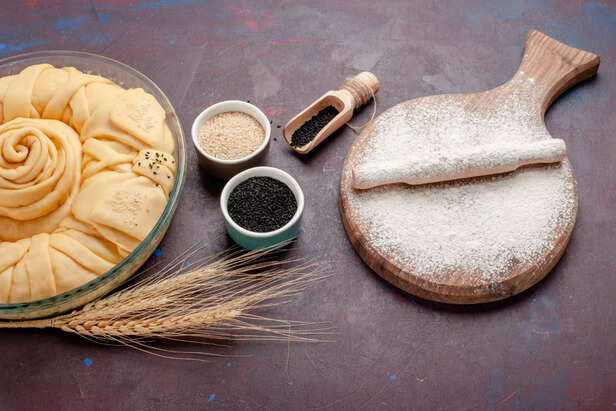
Foods made with refined flour, often called maida, are extremely common. White bread, naan, pav, biscuits, pastries, and bakery snacks fall into this category. These foods break down quickly into sugar in the bloodstream, causing rapid spikes in blood glucose levels. Frequent spikes can lead to insulin resistance and chronic inflammation. Over time, these metabolic changes increase the likelihood of plaque forming in heart arteries, raising cardiovascular risk.
Soft drinks, energy drinks, packaged fruit juices, and flavored beverages may appear refreshing but contain high amounts of added sugar. Regular consumption increases triglyceride levels in the blood and places extra strain on the heart. High sugar intake can also interfere with healthy cholesterol balance and blood vessel function. Over time, these effects increase the risk of cardiovascular complications, including sudden cardiac events.
Modern lifestyles have increased reliance on convenience foods such as instant noodles, frozen parathas, ready to eat curries, chips, and packaged sauces. These products often contain hidden fats, preservatives, excess salt, and added sugars. Studies show that frequent consumption of ultra processed foods can significantly increase the risk of heart disease. Each serving may contribute to gradual metabolic damage, making these foods a silent but powerful threat to long term cardiovascular health.
Heart disease rarely develops overnight. It grows quietly through everyday choices repeated for years. Many of the foods people enjoy daily can slowly damage arteries without obvious warning signs. Processed meats, fried snacks, refined flour products, sugary drinks, and ultra processed meals all contribute to increased heart risk when consumed regularly. The encouraging news is that small changes can make a big difference. Choosing fresh ingredients, reducing processed foods, and being mindful of everyday eating habits can protect your heart for decades to come. Sometimes the most powerful health decision begins with the next meal you choose.
Unlock insightful tips and inspiration on personal growth, productivity, and well-being. Stay motivated and updated with the latest at My Life XP.
1. Which foods increase the risk of heart attacks the most?
Foods high in saturated fats, trans fats, refined carbohydrates, and added sugars can increase heart attack risk. Common examples include processed meats, deep-fried snacks, sugary drinks, refined flour foods, and ultra-processed packaged meals.
2. Why are processed foods harmful to heart health?
Processed foods often contain high amounts of sodium, unhealthy fats, preservatives, and added sugars. These ingredients can raise blood pressure, increase cholesterol levels, and cause inflammation in the arteries over time.
3. Are fried foods always bad for the heart?
Occasional fried food may not cause immediate harm, but regularly eating foods fried in reused oils can produce trans fats that clog arteries and increase the risk of heart disease.
4. How do sugary drinks affect the heart?
Sugary drinks raise triglyceride levels, increase blood sugar, and may disrupt healthy cholesterol balance. Over time, these effects can contribute to heart disease and other metabolic problems.
5. What are healthier alternatives to refined flour foods?
Whole grain options such as whole wheat bread, oats, brown rice, and millet-based foods are better alternatives because they contain more fiber and help regulate blood sugar levels.
Processed Meats and High-Fat Dishes
Processed Meats and Heart Health
Image credit : Freepik
Processed foods like sausages, salami, seekh kebabs, and rich meat curries often contain large amounts of saturated fat and sodium. These ingredients gradually raise cholesterol levels and increase blood pressure. Over time, this combination can damage the inner lining of arteries, making it easier for plaque to form. While these foods may feel comforting and flavorful, regular consumption can silently increase cardiovascular risk. Moderation and healthier cooking methods can reduce their harmful impact on long-term heart health.
Deep Fried Snacks
Snacks such as samosas, pakoras, bhajiyas, puris, and French fries are widely loved. However, they are often cooked in oil that has been reused multiple times. Reheated oil produces trans fats, which are particularly dangerous for the heart. These fats accelerate plaque buildup inside arteries and trigger inflammation in blood vessels. Over time, this process increases the risk of heart attacks, even among younger individuals who appear otherwise healthy.
Refined Flour Foods
Refined Flour Bakery Items
Image credit : Freepik
Foods made with refined flour, often called maida, are extremely common. White bread, naan, pav, biscuits, pastries, and bakery snacks fall into this category. These foods break down quickly into sugar in the bloodstream, causing rapid spikes in blood glucose levels. Frequent spikes can lead to insulin resistance and chronic inflammation. Over time, these metabolic changes increase the likelihood of plaque forming in heart arteries, raising cardiovascular risk.
Sugary Drinks and Packaged Juices
Ultra Processed Convenience Foods
A Surgeon Warns
Unlock insightful tips and inspiration on personal growth, productivity, and well-being. Stay motivated and updated with the latest at My Life XP.
Frequently Asked Questions (FAQs)
Foods high in saturated fats, trans fats, refined carbohydrates, and added sugars can increase heart attack risk. Common examples include processed meats, deep-fried snacks, sugary drinks, refined flour foods, and ultra-processed packaged meals.
2. Why are processed foods harmful to heart health?
Processed foods often contain high amounts of sodium, unhealthy fats, preservatives, and added sugars. These ingredients can raise blood pressure, increase cholesterol levels, and cause inflammation in the arteries over time.
3. Are fried foods always bad for the heart?
Occasional fried food may not cause immediate harm, but regularly eating foods fried in reused oils can produce trans fats that clog arteries and increase the risk of heart disease.
4. How do sugary drinks affect the heart?
Sugary drinks raise triglyceride levels, increase blood sugar, and may disrupt healthy cholesterol balance. Over time, these effects can contribute to heart disease and other metabolic problems.
5. What are healthier alternatives to refined flour foods?
Whole grain options such as whole wheat bread, oats, brown rice, and millet-based foods are better alternatives because they contain more fiber and help regulate blood sugar levels.