
7 Diabetes Care Mistakes That Go Beyond Blood Sugar
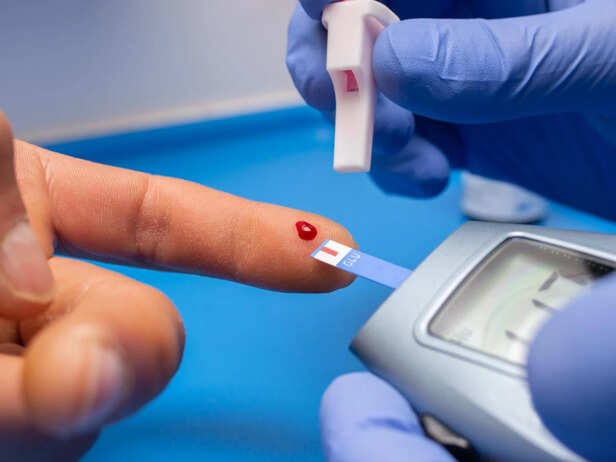
For years, diabetes care has often been reduced to one number: blood sugar. But good diabetes management involves much more than keeping glucose within a target range. A person can have acceptable blood sugar readings and still need to pay attention to blood pressure, cholesterol, kidney health, heart health, weight, food choices and daily activity. This is where diabetes care is moving beyond simple glucose control. The goal is not just to improve a test result, but to protect the body from complications and help a person live a healthier daily life.
Blood Sugar Is Only the Starting Point
A glucose reading can tell you what is happening with blood sugar, but it cannot provide the full picture of a person's health. Effective diabetes care also considers blood pressure, cholesterol, weight, kidney function and heart health. Long-term high blood sugar can damage blood vessels and nerves, increasing the risk of complications. That is why blood sugar control should be treated as one part of a wider diabetes management plan rather than the only goal. Regular medical check-ups can help identify problems early, when lifestyle changes or treatment adjustments may still make a meaningful difference.
Your Heart Needs Attention Too
Diabetes and heart health are closely connected. High blood sugar can occur alongside high blood pressure and unhealthy cholesterol levels, creating additional strain on the cardiovascular system. This makes heart health an important part of diabetes management. A person may feel completely fine while these risk factors are quietly developing, which is why regular blood pressure and cholesterol checks matter. Doctors may also consider factors such as age, weight, smoking and family history when planning treatment. Looking beyond glucose can therefore help build a more complete approach to diabetes care and long-term health.
Kidney Health Can Stay Silent
The kidneys can also be affected by diabetes, sometimes without obvious warning signs. Persistently high blood sugar can damage the tiny blood vessels that help the kidneys filter waste from the blood. This is why kidney health should be part of routine diabetes care. Depending on a person's condition, healthcare professionals may recommend blood and urine tests to check kidney function. Keeping blood sugar and blood pressure under control can help reduce the risk of kidney damage. The key lesson is simple: feeling well does not always mean every diabetes-related health measure is normal.
Food Choices Matter Every Day
A diabetes diet does not have to mean giving up every favourite food. The focus is usually on balanced meals, sensible portions and foods that support steadier blood glucose levels. Vegetables, whole grains, pulses, lean proteins and high-fibre foods can be useful choices, while highly processed foods and sugary drinks may need to be limited. Meal timing and portion size can also affect blood sugar. Instead of following a dramatic diet for a few weeks, many people benefit from building realistic eating habits they can maintain. A registered dietitian or healthcare professional can help create an individual plan.
Movement Is Part of Treatment
Physical activity is another major part of diabetes management. Exercise can help muscles use glucose for energy and may support weight management, heart health and overall fitness. It does not always require an intense gym routine. Walking, cycling, swimming, strength training or other activities can become part of a person's routine based on their health and fitness level. Starting gradually is often more realistic than attempting a difficult workout plan overnight. People with diabetes should discuss suitable exercise levels with their healthcare professional, especially if they take medicines that can cause low blood sugar.
Small Checks Can Prevent Bigger Problem
One of the biggest mistakes in diabetes care is waiting for symptoms before getting important health checks. Depending on the individual's condition, routine care may include monitoring blood pressure, cholesterol, kidney function, eye health and foot health. These checks can help doctors spot early changes that a person may not notice themselves. Medication reviews are also important because treatment needs can change over time. Diabetes is not a condition that can always be managed with the same routine forever. Regular follow-ups allow the care plan to change as the person's health changes.
The Goal Is Health, Not Just a Number
The biggest shift in diabetes care is understanding that one glucose number cannot describe a person's entire health. Good diabetes management brings together blood sugar control, nutrition, physical activity, medication when prescribed and regular monitoring of heart, kidney, eye and foot health. The practical steps are straightforward: follow the treatment plan, choose balanced meals, stay active, attend recommended check-ups and report unusual symptoms to a healthcare professional. Diabetes may require lifelong attention, but care does not have to be overwhelming. Looking after the whole body, rather than focusing only on sugar, can make the approach more complete and sustainable.
Unlock insightful tips and inspiration on personal growth, productivity, and well-being. Stay motivated and updated with the latest at My Life XP