
7 Early Signs of Poor Kidney Function Nobody Talks About
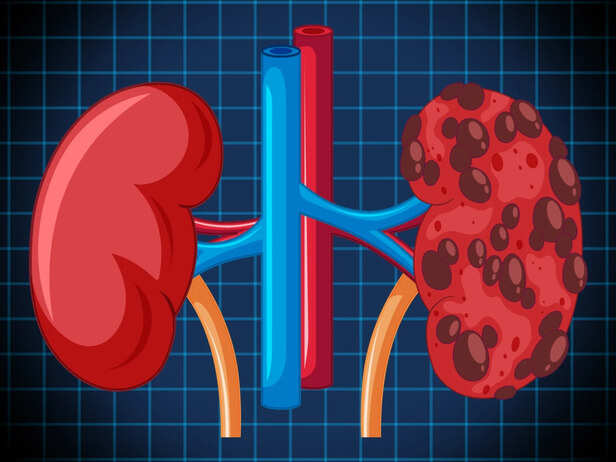
Your body may be giving you clues about your kidney health, but some of these signs are easy to mistake for everyday problems. Feeling tired all the time, noticing changes in your urine or waking up several times at night to use the bathroom may seem harmless. However, they can sometimes be linked to kidney problems. The tricky part? Early kidney disease often develops without obvious symptoms. By the time noticeable changes appear, kidney function may already be affected. Knowing what to watch for can help you seek medical advice before the problem gets worse.
Your Urine Starts Looking Different
Your urine can sometimes reveal changes in your kidney health. Persistent foamy urine, especially when it looks unusually bubbly, may indicate protein leaking into the urine. Healthy kidneys usually prevent significant amounts of protein from passing into urine. You may also notice changes in urine colour or appearance. However, these changes do not automatically mean kidney damage. Dehydration, urinary infections and other conditions can also affect urine. If foamy urine continues or you notice blood in your urine, consult a doctor and ask whether a urine test is needed.
Swelling Appears Around Your Feet and Ankles
Have you noticed your feet or ankles looking unusually swollen, even when you have not been standing for long? Sometimes, this can happen when the kidneys struggle to remove excess salt and fluid from the body. As a result, fluid may collect in different parts of the body, particularly the lower legs and feet. Some people may also notice puffiness around their eyes, especially in the morning. However, swelling can also be linked to heart, liver or circulation problems. Persistent or unexplained swelling deserves medical attention rather than being dismissed as ordinary tiredness.
You Feel Exhausted Even After Sleeping
Feeling tired after a busy day is normal, but constant exhaustion without an obvious reason deserves attention. When kidney disease progresses, waste products can build up in the blood and affect how the body functions. Damaged kidneys may also produce less erythropoietin, a hormone that helps the body make red blood cells. This can contribute to anaemia, leaving you feeling weak, tired or short of breath. However, fatigue has many possible causes, including poor sleep, stress and iron deficiency. If it continues, consult a doctor instead of assuming it is simply a lack of rest.
You Need to Urinate More Often at Night
Waking up repeatedly at night to urinate can interrupt your sleep and leave you feeling tired the next morning. One possible reason is that damaged kidneys may lose some of their ability to concentrate urine properly. This can lead to more frequent urination, particularly during the night. However, nighttime urination is not a kidney-specific symptom. Drinking fluids before bedtime, diabetes, urinary infections and prostate problems can also cause it. Pay attention if this change is new, persistent or accompanied by other urinary symptoms. A medical evaluation can help identify the actual cause.
Your Skin Becomes Unusually Dry and Itchy
Skin problems are easy to blame on changing weather, dehydration or skincare products. But persistent itching without an obvious skin condition can sometimes occur in people with advanced kidney disease. When the kidneys cannot remove waste products and maintain the body's mineral balance properly, these changes may affect the skin. You might experience dryness, irritation or itching in different areas of your body. This does not mean every itchy patch is connected to kidney damage. Allergies, eczema and other skin conditions are much more common explanations. If the itching continues, seek medical advice.
You Experience Muscle Cramps and Poor Sleep
Frequent muscle cramps, particularly at night, can make it difficult to get comfortable or enjoy uninterrupted sleep. Kidney disease can affect the balance of minerals and electrolytes in the body, including calcium and potassium. When these levels become abnormal, muscle cramps and weakness may develop. Some people with worsening kidney function also experience sleep disturbances or restless legs. However, cramps can also result from dehydration, physical activity or certain medications. If they occur regularly alongside other unusual symptoms, speak with a healthcare professional and discuss whether kidney function testing is appropriate.
Your Appetite Changes Without an Obvious Reason
Have you started feeling less hungry even when your daily routine and meals have not changed? As kidney disease progresses, waste products can accumulate in the bloodstream and contribute to nausea, vomiting and a reduced appetite. Some people may also experience an unusual taste in their mouth or begin losing weight without trying. These changes can affect nutrition and overall strength. However, appetite loss can also be caused by digestive problems, infections, stress and several other health conditions. If you experience persistent nausea, poor appetite or unexplained weight loss, get it checked.
How Can You Check If Your Kidneys Are Healthy?
The biggest mistake is waiting for symptoms before checking kidney health. Early chronic kidney disease often causes no noticeable symptoms, so medical tests are more reliable than changes in how you feel. Doctors commonly recommend two important tests:
- Serum creatinine and eGFR: A blood test that helps assess how effectively your kidneys filter waste from the blood.
- Urine albumin-to-creatinine ratio (UACR): A urine test that checks whether albumin, a type of protein, is leaking into your urine.
People with diabetes, high blood pressure, heart disease or a family history of kidney failure should discuss regular kidney screening with their doctor.
Small Changes Can Protect Your Kidney Health
Your kidneys work continuously, even when you are sleeping. The problem is that kidney damage can develop quietly, without causing obvious discomfort in its early stages. Do not wait for swelling, constant fatigue or changes in urination before paying attention to your health. Get your blood pressure and blood sugar checked, follow your doctor's advice, and avoid taking painkillers or other medicines regularly without medical guidance. Most importantly, remember that symptoms alone cannot confirm kidney disease. A timely blood and urine test can help identify a problem and give you a chance to manage it earlier.
Unlock insightful tips and inspiration on personal growth, productivity, and well-being. Stay motivated and updated with the latest at My Life XP.