
7 Easy Tests to Spot Chemically Injected Watermelon
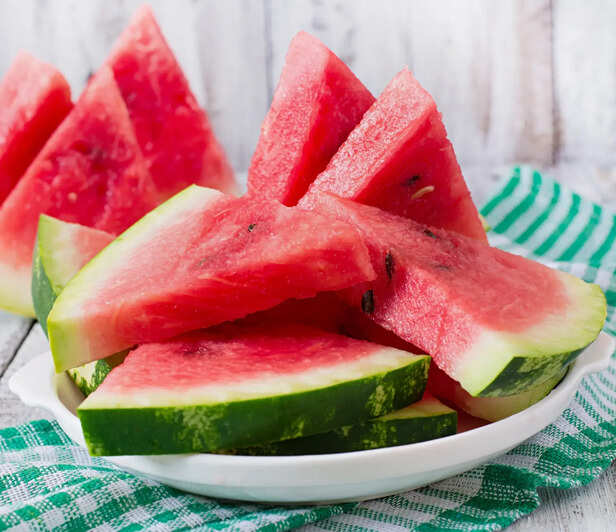
That bright red, juicy slice of Watermelon on your plate what if it’s not as natural as it looks? What if the sweetness you enjoy isn’t real? In recent times, concerns have grown about fruits being artificially enhanced to look more appealing. And watermelon one of summer’s favorites has quietly become part of this issue. The worrying part? Most people can’t tell the difference. It looks fresh. It tastes sweet. But something may still be off. The good news? With a few simple checks at home, you can protect yourself and your family from hidden risks.
LOOK BEYOND THE PERFECT RED
A natural watermelon rarely looks perfectly red throughout. Its color is usually slightly uneven, with natural variations. If the flesh appears extremely bright, glossy, or unnaturally vibrant, it may have been enhanced. Many buyers assume brighter means fresher, but that is not always true. Artificial treatments are often used to make fruits look visually appealing. So next time, don’t just trust your eyes observe carefully.
THE SIMPLE COTTON TEST
This is one of the quickest tests you can try at home. Cut a piece of watermelon and gently rub a cotton ball or tissue on its surface. If the cotton turns red, it may indicate the presence of artificial coloring. If nothing changes, the fruit is likely natural. This method takes just seconds but can reveal hidden tampering that is not visible at first glance.
WATER TEST THAT REVEALS THE TRUTH
Take a small chunk of watermelon and drop it into a glass of water. If the water quickly turns pink or red, it could be a sign of artificial coloring. Natural watermelon does not release color so easily. This simple test is effective and easy to perform at home. It helps you see what your eyes might miss.
CHECK THE SEEDS CAREFULLY
Seeds can tell you a lot about the fruit. Natural watermelons usually have black or dark brown seeds. If you notice seeds that look pale, reddish, or unusual, it may indicate tampering. Seeds are often overlooked, but they are a strong indicator of natural growth. Always take a closer look before consuming.
FEEL THE TEXTURE AND SURFACE
A natural watermelon feels consistent in texture. If you notice uneven softness, hard patches, or small holes and cracks on the surface, it could be a sign of injection. These marks may be entry points for chemicals. Always check the outer surface before buying. A small observation can prevent bigger health risks.
Unlock insightful tips and inspiration on personal growth, productivity, and well-being. Stay motivated and updated with the latest at My Life XP.
Frequently Asked Questions (FAQs)
1. Can watermelons really be chemically injected?
There have been concerns and reports about fruits being artificially enhanced using dyes or sweetening agents. While not every Watermelon is unsafe, it’s important to stay aware and check before consuming.
2. What is the easiest way to test a watermelon at home?
The cotton test and water test are the simplest. If color transfers to cotton or water turns red quickly, it may indicate artificial coloring.
3. Is very bright red color always a bad sign?
Not always, but overly bright and uniform red can sometimes be unnatural. Natural watermelons usually have slight variations in color.
4. Are seedless watermelons unsafe?
No, seedless watermelons are naturally grown through hybrid techniques. However, you should still check for other signs like color and texture.
5. What do unhealthy watermelons look like from outside?
They may have unusual holes, cracks, or marks that could indicate tampering or injection points.