7 Shocking Nail Symptoms That Could Signal High Cholesterol
Noopur Kumari | Jul 02, 2026, 11:00 IST
High cholesterol is often called a "silent condition" because it usually develops without obvious symptoms. However, when cholesterol begins affecting blood vessels and circulation, subtle changes can appear in unexpected places including your fingernails. From unusual discoloration to slow nail growth, these warning signs may indicate that your body isn't receiving enough oxygen and nutrients. Here's what your nails could be trying to tell you and when it's time to speak with your doctor.

Could your fingernails be revealing more about your health than you realize? Most people associate high cholesterol with heart disease, but few know that your nails can sometimes offer early clues that something may be affecting your blood circulation. While nail changes alone cannot diagnose high cholesterol, certain unusual changes may signal that your body deserves closer attention. The surprising part? Many people dismiss these signs as cosmetic issues, missing an opportunity to detect a serious health problem early.
![Healthy Fingernails Compared With Nails Showing Circulation Changes]()
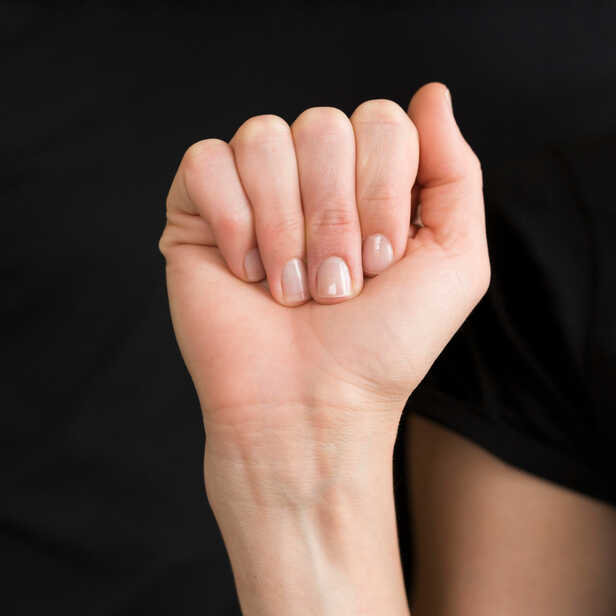
Healthy nails usually appear smooth, pink, and strong because they receive a steady supply of oxygen-rich blood. When cholesterol builds up inside arteries, blood circulation may become less efficient. Over time, this reduced circulation can affect the appearance of your fingernails. Although nail changes alone do not confirm high cholesterol, they can be an important reminder to pay closer attention to your cardiovascular health, especially if you have other risk factors like diabetes, smoking, or high blood pressure.
Dark Lines or Unusual
![Fingernail Showing Dark Streaks and Color Changes]()
Dark streaks, unusual brown or black lines, or unexplained discoloration may occasionally occur when blood flow is affected. However, these changes can also result from nail injuries, infections, certain medications, or, in rare cases, skin cancer beneath the nail. If discoloration appears without injury or continues to worsen, it should never be ignored. A healthcare provider can determine the underlying cause through proper examination and recommend further testing if necessary.
Nails that appear bluish or purple may suggest that your fingers are not receiving enough oxygen-rich blood. While this change can sometimes occur because of cold temperatures, persistent blue nails may point to circulation or heart-related problems that require urgent medical attention. High cholesterol is one possible contributor among many. If bluish nails are accompanied by chest pain, breathlessness, dizziness, or severe fatigue, seek emergency medical care immediately.
Brittle nails are extremely common and are usually linked to aging, frequent exposure to water, harsh chemicals, or nutritional deficiencies. In some people, reduced blood circulation may also contribute by limiting oxygen and nutrients reaching the nail bed. If your nails have become unusually weak without an obvious reason and other health symptoms are present, it is worth discussing the change with your doctor rather than assuming it is only a cosmetic concern.
Fingernails normally grow at a predictable pace. If you notice that your nails are taking much longer than usual to grow back after trimming, it may indicate that your body's circulation has slowed. Poor blood flow can reduce the delivery of nutrients needed for healthy nail growth. However, slow-growing nails can also be influenced by age, thyroid disorders, or nutritional deficiencies, making medical evaluation important if the change is persistent.
Healthy nails generally have a soft pink appearance due to the blood vessels beneath them. Nails that become unusually pale may suggest reduced circulation, anemia, or other medical conditions affecting oxygen delivery. While high cholesterol alone is not a direct cause of pale nails, poor circulation associated with cardiovascular disease can contribute. Persistent nail color changes should always be assessed alongside your overall health and any accompanying symptoms.
Your fingernails can provide valuable clues about your overall health, but they should never be used to diagnose high cholesterol on their own. The only reliable way to confirm high cholesterol is through a blood lipid test recommended by your healthcare provider. If you notice ongoing nail changes together with symptoms such as chest discomfort, leg pain while walking, or a family history of heart disease, schedule a medical check-up. Early detection remains the best protection against future cardiovascular problems.
Experiencing frequent stress, fatigue, or health challenges? Your name energy may be worth exploring. Check it here.
Unlock insightful tips and inspiration on personal growth, productivity, and well-being. Stay motivated and updated with the latest at My Life XP.
1. Can high cholesterol really affect your fingernails?
High cholesterol itself does not directly change nails, but reduced blood circulation caused by narrowed arteries may contribute to nail changes in some people. Many nail abnormalities have other, more common causes.
2. Are brittle nails always a sign of high cholesterol?
No. Brittle nails are far more commonly caused by aging, frequent hand washing, dehydration, nutritional deficiencies, or repeated exposure to chemicals than by high cholesterol.
3. Why do bluish nails require immediate medical attention?
Bluish or purple nails can indicate reduced oxygen levels in the blood or serious circulation problems. If they occur suddenly or with chest pain or breathing difficulty, seek emergency medical care.
4. Can pale nails indicate a heart problem?
Pale nails may be linked to anemia, poor circulation, nutritional deficiencies, or other health conditions. They are not specific to high cholesterol but should be evaluated if persistent.
5. How is high cholesterol diagnosed?
High cholesterol is diagnosed through a fasting or non-fasting lipid profile blood test, which measures total cholesterol, LDL, HDL, and triglyceride levels
When Your Nails Reflect Poor Blood Flow
Healthy Fingernails Compared With Nails Showing Circulation Changes
Healthy nails usually appear smooth, pink, and strong because they receive a steady supply of oxygen-rich blood. When cholesterol builds up inside arteries, blood circulation may become less efficient. Over time, this reduced circulation can affect the appearance of your fingernails. Although nail changes alone do not confirm high cholesterol, they can be an important reminder to pay closer attention to your cardiovascular health, especially if you have other risk factors like diabetes, smoking, or high blood pressure.
Dark Lines or Unusual Nail Discoloration

Fingernail Showing Dark Streaks and Color Changes
Dark streaks, unusual brown or black lines, or unexplained discoloration may occasionally occur when blood flow is affected. However, these changes can also result from nail injuries, infections, certain medications, or, in rare cases, skin cancer beneath the nail. If discoloration appears without injury or continues to worsen, it should never be ignored. A healthcare provider can determine the underlying cause through proper examination and recommend further testing if necessary.
Bluish or Purple Nails Need Immediate Attention
Weak Nails May Signal More Than Dryness
Slow Nail Growth Can Be a Clue
Pale Nails May Reveal Reduced Circulation
Your Nails Should Start a Conversation Not a Diagnosis
Experiencing frequent stress, fatigue, or health challenges? Your name energy may be worth exploring. Check it here.
Unlock insightful tips and inspiration on personal growth, productivity, and well-being. Stay motivated and updated with the latest at My Life XP.
Frequently Asked Questions (FAQs)
High cholesterol itself does not directly change nails, but reduced blood circulation caused by narrowed arteries may contribute to nail changes in some people. Many nail abnormalities have other, more common causes.
2. Are brittle nails always a sign of high cholesterol?
No. Brittle nails are far more commonly caused by aging, frequent hand washing, dehydration, nutritional deficiencies, or repeated exposure to chemicals than by high cholesterol.
3. Why do bluish nails require immediate medical attention?
Bluish or purple nails can indicate reduced oxygen levels in the blood or serious circulation problems. If they occur suddenly or with chest pain or breathing difficulty, seek emergency medical care.
4. Can pale nails indicate a heart problem?
Pale nails may be linked to anemia, poor circulation, nutritional deficiencies, or other health conditions. They are not specific to high cholesterol but should be evaluated if persistent.
5. How is high cholesterol diagnosed?
High cholesterol is diagnosed through a fasting or non-fasting lipid profile blood test, which measures total cholesterol, LDL, HDL, and triglyceride levels