
Always Have Cold Hands and Feet? Here's What Could Be Behind It
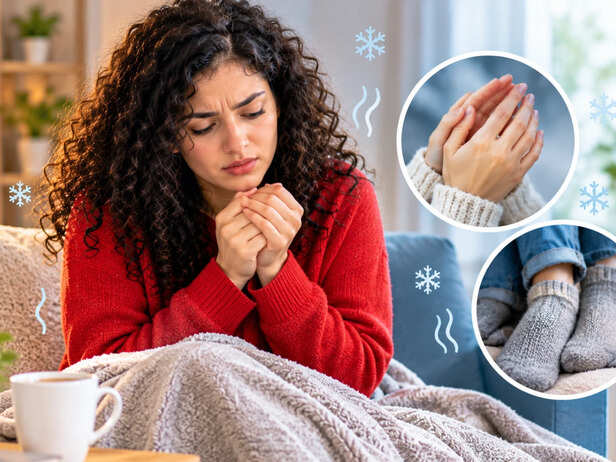
You are sitting in a warm room, wearing comfortable clothes, yet your fingers feel icy and your toes refuse to warm up. You rub your hands together, pull on another pair of socks, or hold a warm cup of tea, but the cold feeling keeps returning.If this sounds familiar, you are not alone. Hands and feet often feel colder than other parts of the body because the body adjusts blood flow to protect its core temperature.However, if your hands and feet are almost always cold, even in comfortable surroundings, there may be another reason behind it. From everyday habits to certain medical conditions, several factors can affect how warm your extremities feel.
Here are seven possible explanations worth knowing.
1. Your Body Is Responding to Cold Temperatures
One of the most common reasons for cold hands and feet is simply the weather.When temperatures drop, your body narrows blood vessels near the skin, particularly in your hands and feet. This process, called vasoconstriction, helps conserve heat and keep your vital organs warm.That is why your fingers may feel cold before the rest of your body does.Air conditioning, wet clothing, and spending long periods sitting still can also make your hands and feet feel colder.
What can help?
- Wear warm socks and gloves when needed.
- Keep your whole body warm, not just your hands and feet.
- Move around regularly to encourage circulation.
- Avoid prolonged exposure to cold temperatures.
If your hands and feet remain unusually cold in warm surroundings, consider other possible causes.
2. You May Have Poor Circulation
Your hands and feet depend on blood flow to receive oxygen and nutrients and maintain warmth.When circulation is reduced, your extremities may feel cold, numb, or tingly. You might notice that your fingers take longer to warm up or that your feet feel colder after sitting in one position for a long time.Smoking, prolonged inactivity, and certain conditions affecting blood vessels can contribute to circulation problems.Sometimes, cold extremities may occur alongside other symptoms, such as pain while walking, changes in skin colour, or wounds that heal slowly.
What can help?
Take regular movement breaks, avoid smoking, and follow a balanced lifestyle that supports cardiovascular health.If cold hands and feet are persistent or accompanied by pain, numbness, skin changes, or sores that do not heal, consult a healthcare professional.
3. Anaemia Could Be Playing a Role
Have you been feeling unusually tired along with having cold hands and feet?Anaemia occurs when your body does not have enough healthy red blood cells or haemoglobin to carry oxygen effectively. Iron deficiency is one common cause.Along with cold extremities, anaemia may cause fatigue, weakness, dizziness, headaches, pale skin, or breathlessness during activity.You may be more likely to develop iron deficiency if your diet does not provide enough iron, you have heavy menstrual periods, or you have certain digestive conditions that affect nutrient absorption.
However, cold hands and feet alone do not mean you have anaemia.If you experience persistent tiredness along with feeling unusually cold, a doctor may recommend blood tests to check your haemoglobin and iron status. Do not start iron supplements without appropriate medical advice, as excess iron can be harmful.
4. Your Thyroid May Be Underactive
The thyroid is a small, butterfly-shaped gland in your neck that helps regulate metabolism and energy use.When the thyroid produces too little hormone, a condition known as hypothyroidism, many body processes slow down. You may become more sensitive to cold temperatures, including in your hands and feet.Other possible signs include:
- Persistent tiredness
- Dry skin
- Constipation
- Unexplained weight gain
- Slower thinking or difficulty concentrating
- Changes in hair texture or hair loss
These symptoms can develop gradually, making them easy to overlook.If you frequently feel cold even when others are comfortable, especially when you have other symptoms, speak with a healthcare professional. Thyroid function can be assessed through blood tests, and treatment is available when needed.
5. You May Have Raynaud's Phenomenon
Do your fingers suddenly turn white or blue when you step into a cold room or feel stressed?This could be a sign of Raynaud's phenomenon, a condition in which small blood vessels in the fingers and sometimes the toes narrow excessively in response to cold or emotional stress.
During an episode, you may notice:
- Fingers or toes turning white or pale
- A bluish colour in some cases
- Numbness or tingling
- Pain or throbbing as the area warms up
- Redness during the return of blood flow
Not everyone experiences every colour change.Raynaud's can occur on its own or alongside other medical conditions. Some medicines and smoking can also worsen symptoms.Keeping your hands and feet warm, avoiding sudden temperature changes, and managing stress may help reduce episodes.If these attacks are frequent, painful, affect only one side, or cause sores, seek medical advice. A healthcare professional can assess whether it is primary Raynaud's or related to another condition.
6. Stress May Be Making Your Hands and Feet Colder
Stress does not only affect your thoughts and emotions. It can also influence your body's physical responses.When you feel stressed, your nervous system activates the fight-or-flight response. Blood vessels in the skin and extremities may narrow temporarily as your body prepares to respond to a perceived challenge.As a result, your hands and feet may feel cold, even if the room temperature has not changed.
You might notice this during an examination, an important meeting, an argument, or another stressful situation.If stress seems to trigger the sensation, try slow breathing, gentle movement, or taking a short break in a comfortable environment.However, do not automatically blame stress if cold extremities happen frequently. Other physical causes may need to be ruled out.
7. Certain Medicines or Health Conditions May Be Responsible
Sometimes, persistent cold hands and feet are related to medicines or underlying health conditions.For example, some medicines used for high blood pressure, including certain beta-blockers, can contribute to cold extremities. Other medicines may affect circulation or blood vessel function.
Conditions such as diabetes can also damage nerves or blood vessels over time, potentially causing changes in sensation and circulation in the feet.If you have diabetes, pay particular attention to changes in foot temperature, sensation, skin colour, or wounds. Nerve damage can make injuries harder to notice.Do not stop or change prescribed medicines on your own. If your symptoms began after starting a new medicine, discuss them with your doctor or pharmacist.
When Should You See a Doctor?
Occasional cold hands and feet are usually not a cause for concern, particularly in cold weather. However, persistent symptoms deserve attention, especially when they appear without an obvious reason.
Consider making a medical appointment if you experience:
- Cold hands and feet even in warm conditions
- Persistent numbness, tingling, or pain
- Unusual fatigue or weakness
- Repeated changes in finger or toe colour
- Symptoms that are getting worse
- Slow-healing sores or wounds
Seek urgent medical care if a hand or foot suddenly becomes very cold, pale or blue, severely painful, or numb, particularly if the change affects only one side. These can be signs of a serious circulation problem.A healthcare professional can review your symptoms, medicines, and medical history and decide whether tests for anaemia, thyroid problems, diabetes, or circulation issues are appropriate.
Give Your Hands and Feet the Attention They Need
Cold hands and feet do not always indicate a health problem. Sometimes, your body is simply responding to the temperature around you.But if the feeling keeps returning, lasts a long time, or appears alongside other symptoms, it is worth understanding why. Circulation changes, anaemia, thyroid problems, Raynaud's phenomenon, stress, and certain medicines can all play a role.
Keep yourself warm, stay physically active, and pay attention to patterns in your symptoms. If you are concerned or notice unusual changes, a medical check-up can help identify the cause and guide the right treatment.
Unlock insightful tips and inspiration on personal growth, productivity, and well-being. Stay motivated and updated with the latest at My Life XP.