
Can Pneumonia Become Dangerous Before You Realise How Sick You Are?
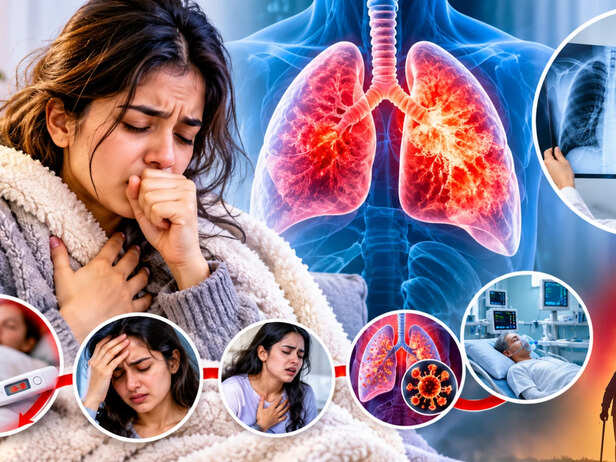
Pneumonia is an infection that causes inflammation in one or both lungs. It can be caused by bacteria, viruses and, less commonly, fungi. The infection affects the tiny air sacs in the lungs, called alveoli, which normally help oxygen enter the bloodstream.When these air sacs become inflamed, they may fill with fluid or pus, making it harder for the body to get enough oxygen.
Why Can Pneumonia Be Difficult to Recognise Early?
One reason pneumonia can go unnoticed initially is that its symptoms may resemble those of common respiratory infections. A person may experience a cough, mild fever, tiredness, body aches or reduced appetite and assume they have an ordinary seasonal illness.However, pneumonia can sometimes progress, particularly in older adults, young children and people with existing health conditions.Not everyone develops the same symptoms, and the severity of the illness can vary from person to person.
What Are the Early Signs of Pneumonia You Should Not Ignore?
Pneumonia does not always begin with severe breathing difficulties. Some people initially experience symptoms that appear manageable.Watch for these signs:
1. A cough that keeps getting worse
A persistent cough is one of the common symptoms of pneumonia. Some people develop a dry cough, while others cough up mucus that may be yellow, green or occasionally blood-stained.A cough that becomes more frequent or is accompanied by fever and breathing difficulties needs medical attention.
2. Fever, chills and sweating
Pneumonia may cause a high fever, chills and excessive sweating. However, some people, especially older adults, may have a lower-than-usual body temperature instead of a fever.This means the absence of a high temperature does not rule out pneumonia.
3. Unusual tiredness and weakness
Feeling extremely tired, weak or unable to complete everyday activities can be another warning sign.Some people may notice that even simple tasks, such as walking around the house, become more exhausting than usual.
4. Chest pain while breathing or coughing
Inflammation involving the lining around the lungs can cause sharp chest pain. The discomfort may become worse when taking a deep breath or coughing.Persistent or severe chest pain should never be ignored.
5. Shortness of breath
Breathing difficulties are among the most important warning signs of pneumonia.A person may feel breathless while walking, climbing stairs or even sitting quietly. This can happen when inflammation and fluid in the air sacs interfere with normal oxygen exchange.
How Can Pneumonia Become Serious Without Obvious Warning Signs?
In some cases, pneumonia can progress before a person understands how seriously ill they are.As the infection affects more areas of the lungs, oxygen exchange may become less efficient. The body may struggle to maintain normal oxygen levels, leading to a condition called hypoxaemia.
A person may experience increasing breathlessness, a rapid breathing rate, confusion or unusual drowsiness.Older adults may not always develop typical symptoms such as a high fever or a strong cough. Instead, sudden confusion, weakness, reduced appetite or a noticeable change in behaviour may be among the first signs of illness.This is particularly important because family members may initially mistake these changes for ordinary ageing or tiredness.
Pneumonia can also lead to serious complications, including:
- Respiratory failure: The lungs may become unable to provide enough oxygen or remove enough carbon dioxide.
- Sepsis: The body's response to an infection can become uncontrolled and damage its own tissues and organs.
- Pleural effusion: Fluid may collect in the space between the lungs and chest wall.
- Lung abscess: A pocket of pus may develop inside the lung in some cases.
These complications do not occur in everyone with pneumonia, but they explain why timely diagnosis and treatment matter.
Who Is More Likely to Develop Severe Pneumonia?
Pneumonia can affect people of any age, including otherwise healthy individuals. However, certain groups have a greater risk of developing serious illness.These include:
Older adults: People aged 65 and above may have weaker immune responses and can develop less typical symptoms.
Young children: Infants and young children have developing immune systems and may experience faster changes in their condition.
People with chronic illnesses: Individuals living with diabetes, heart disease, chronic lung disease or kidney disease may have a higher risk of complications.
People with weakened immunity: Cancer treatment, organ transplants and certain medications can weaken the immune system, making infections harder to fight.
People who smoke: Smoking can damage the natural protective mechanisms of the respiratory tract and increase susceptibility to respiratory infections.
Recognising these risk factors can help people seek medical advice earlier when respiratory symptoms appear.
When Should You Seek Medical Help?
It is important not to wait until breathing becomes extremely difficult before seeking medical care.Consult a healthcare professional if you develop a persistent or worsening cough, fever, chest discomfort or unusual tiredness, particularly if you belong to a higher-risk group.Some symptoms require emergency medical attention.Seek immediate help if you notice:
- Severe difficulty breathing or struggling to speak because of breathlessness.
- Blue or grey lips, tongue or skin.
- Sudden confusion, fainting or difficulty staying awake.
- Severe or persistent chest pain.
- Rapid deterioration in overall health.
In children, warning signs may include fast or difficult breathing, chest pulling inward while breathing, inability to drink or feed properly, unusual sleepiness or bluish lips.Do not rely only on a pulse oximeter reading to decide whether someone needs help. Symptoms and clinical assessment are important, and an apparently reassuring reading should not delay emergency care when serious warning signs are present.
How Do Doctors Diagnose and Treat Pneumonia?
Doctors usually begin by asking about symptoms, medical history and how quickly the illness has developed. They may check body temperature, breathing rate, heart rate and oxygen levels.A chest X-ray may be recommended to look for signs of infection in the lungs. Depending on the patient's condition, doctors may also suggest blood tests, sputum testing or other investigations.
Treatment depends on the cause and severity of the infection.
- Bacterial pneumonia: Doctors may prescribe antibiotics. The medicine and duration depend on the suspected bacteria, severity and patient's health.
- Viral pneumonia: Treatment may involve supportive care. Specific antiviral medicines may be appropriate for certain viral infections.
- Severe pneumonia: Hospital treatment may be necessary. Patients may need oxygen, intravenous fluids, antibiotics or breathing support depending on their condition.
Antibiotics do not treat viral infections, and people should not start leftover antibiotics or stop a prescribed course without medical advice.
Can You Reduce Your Risk of Developing Severe Pneumonia?
Although pneumonia cannot always be prevented, certain measures can reduce the risk of infection and serious illness.
- Stay up to date with vaccinations: Pneumococcal, influenza, COVID-19 and other recommended vaccines can help protect against specific infections that may cause pneumonia. Recommendations depend on age, health conditions and local guidelines.
- Wash your hands regularly: Good hand hygiene helps reduce the spread of respiratory infections.
- Avoid smoking: Quitting smoking supports lung health and improves the body's natural respiratory defences.
- Maintain good overall health: Adequate sleep, balanced nutrition and regular physical activity support general immune function.
- Seek timely medical advice: Do not ignore worsening respiratory symptoms, particularly if you have an existing health condition.
Why Recognising the Signs Early Matters
Pneumonia does not always announce itself through severe symptoms at the beginning. What appears to be an ordinary cough or seasonal infection can sometimes develop into a serious lung infection.
Paying attention to worsening breathlessness, unusual weakness, chest pain and changes in alertness can help people recognise when they need medical attention. Early diagnosis does not guarantee that complications will be avoided, but timely treatment can reduce the risk of serious outcomes.
Unlock insightful tips and inspiration on personal growth, productivity, and well-being. Stay motivated and updated with the latest at My Life XP.