
Can Skin-to-Skin Contact Save a Newborn's Life?
The first few weeks of life are especially important for newborns. Babies born prematurely or weighing less than 2.5 kg may face a higher risk of breathing difficulties, infections, low body temperature and feeding problems.
What Is Kangaroo Mother Care?
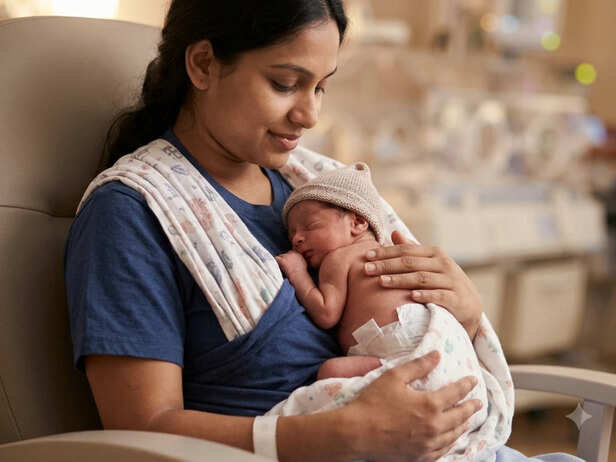
Kangaroo mother care is a simple but evidence-based approach designed to support these vulnerable babies.It involves placing a newborn directly against a parent's bare chest, allowing skin-to-skin contact for as many hours as possible. The baby is usually secured in an upright position with a suitable cloth or wrap.KMC is not limited to mothers. Fathers and other trained caregivers can also provide skin-to-skin contact when the mother is unavailable or unable to do so.
The approach has two main components:
- Prolonged skin-to-skin contact: The baby stays against the caregiver's bare chest to receive warmth and physical closeness.
- Breast milk feeding: The baby receives breast milk, preferably through exclusive breastfeeding when possible and medically appropriate.
The World Health Organization (WHO) recommends kangaroo mother care as routine care for all babies born prematurely or with low birth weight.
How Can Kangaroo Care Reduce Newborn Deaths?
One of the most important benefits of kangaroo care is its association with better survival among premature and low-birth-weight babies.A systematic review published in 2023, which included 31 trials and more than 15,500 infants, found that kangaroo mother care reduced the risk of death during hospitalisation or within the first 28 days of life by around 32% compared with conventional newborn care.The research also found that KMC probably reduces the risk of severe infections. These findings highlight why skin-to-skin contact is considered more than an emotional bonding activity.Several factors may explain these benefits:
1. It Helps Maintain the Baby's Body Temperature
Premature and low-birth-weight babies often struggle to regulate their body temperature. They can lose heat quickly, which may increase the risk of complications.During kangaroo care, the caregiver's body provides warmth through direct skin-to-skin contact. This helps the newborn maintain a more stable temperature and reduces the risk of hypothermia.
2. It Supports Breastfeeding
Feeding can be difficult for babies born early because they may have trouble sucking and swallowing effectively.Regular skin-to-skin contact helps mothers recognise feeding cues and supports breastfeeding. Breast milk also provides essential nutrients and immune protection that are important during early development.For babies who cannot feed directly at the breast, healthcare professionals can guide parents on expressing and providing breast milk safely.
3. It Encourages Better Physiological Stability
Close contact with a caregiver can help support a newborn's heart rate, breathing and temperature regulation.Premature babies need careful monitoring because their bodies are still developing. Kangaroo care can support their stability, but it does not replace medical monitoring or treatment when required.
Can Kangaroo Care Protect Newborns From Serious Infections?
Yes. Research suggests that kangaroo mother care can lower the risk of severe infections, including sepsis, among premature and low-birth-weight babies.Newborns have developing immune systems, making them more vulnerable to infections. Babies who need prolonged hospital care may also face exposure to hospital-acquired infections.Kangaroo care may help in several ways:
- Breast milk provides antibodies and other protective components.
- Skin-to-skin contact supports breastfeeding and the baby's overall stability.
- Keeping the baby close to a caregiver may reduce unnecessary handling and separation.
- Better temperature regulation can help prevent complications associated with hypothermia.
A 2023 WHO update reported that immediate kangaroo mother care was associated with an 18% reduction in suspected sepsis, a 36% reduction in sepsis-related deaths and a 25% reduction in overall deaths among small and premature babies.However, KMC does not make a newborn immune to infections. Hand hygiene, clean feeding practices, medical supervision and timely treatment remain essential.
When Should Kangaroo Mother Care Begin?
Earlier recommendations often advised starting kangaroo care after a premature or low-birth-weight baby became medically stable.However, evidence has led to an important change in guidance.In 2022, WHO recommended that kangaroo mother care should begin as soon as possible after birth for babies born prematurely or with low birth weight, rather than waiting for an initial period in an incubator.This approach is known as immediate kangaroo mother care.The baby may receive skin-to-skin contact in a health facility while healthcare professionals continue monitoring breathing, temperature, heart rate and other vital signs.If a baby needs emergency treatment or intensive medical support, the neonatal team must decide how and when KMC can be safely provided.
How Long Should Parents Practise Kangaroo Care?
WHO recommends providing kangaroo mother care for 8 to 24 hours a day, or as many hours as possible, depending on the baby's condition and the family's circumstances.Longer and more frequent skin-to-skin contact can offer greater benefits, but the exact duration should be guided by the baby's needs and the healthcare team.Parents can follow these basic steps under medical guidance:
- Wash hands before handling the newborn.
- Place the baby against the caregiver's bare chest in an upright position.
- Keep the baby's head turned to one side, with the neck slightly extended so the airway remains clear.
- Ensure the baby's nose and mouth are visible and not covered by clothing or fabric.
- Secure the baby with an appropriate wrap while ensuring the chest can move freely.
- Follow the medical team's advice about feeding, monitoring and the duration of each session.
Parents should never leave a newborn unattended during skin-to-skin contact. If the baby shows breathing difficulty, unusual colour changes, poor responsiveness or other worrying signs, seek immediate medical attention.
Is Kangaroo Care Only for Premature Babies?
Kangaroo mother care is particularly important for babies born before 37 weeks of pregnancy or weighing less than 2.5 kg at birth.These babies have a greater risk of complications and may benefit significantly from prolonged skin-to-skin contact and breast milk feeding.However, skin-to-skin contact is also encouraged for healthy full-term newborns soon after birth. It supports early bonding, breastfeeding and the transition to life outside the womb.The specific KMC recommendations for premature and low-birth-weight babies should not be confused with occasional skin-to-skin contact for healthy newborns.
Why Kangaroo Care Matters for Newborn Health
Kangaroo mother care shows how a simple practice can support newborn survival and development. It helps babies maintain body temperature, supports breastfeeding and reduces the risk of serious infections and death, particularly among those born early or with low birth weight.For parents, it also creates an opportunity to participate actively in their baby's care during a challenging period.
However, kangaroo care is not a substitute for incubators when needed, oxygen support, medicines or neonatal intensive care. It works best as part of a complete newborn-care plan guided by trained healthcare professionals.With timely medical support and regular skin-to-skin contact, this simple approach can give vulnerable newborns a stronger start to life.
Unlock insightful tips and inspiration on personal growth, productivity, and well-being. Stay motivated and updated with the latest at My Life XP.