
Diwali Is Over, But Is the Worst Air Pollution Yet to Come?
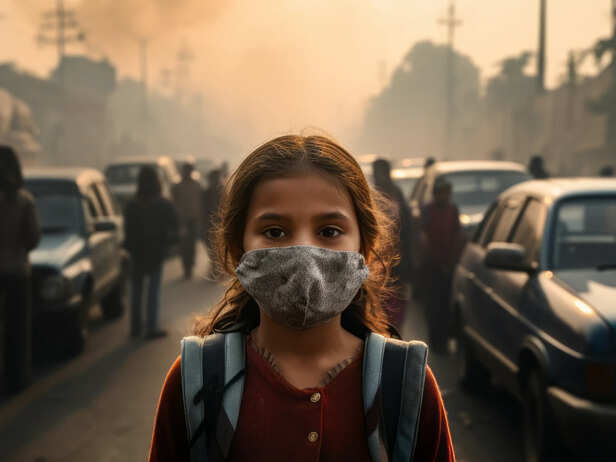
Many people expect the air to become cleaner once Diwali celebrations and firecracker use come to an end. However, the reality can be different, particularly across Delhi-NCR, Punjab, Haryana and other parts of North India.
Why Does Air Pollution Continue Even After Diwali?
Firecrackers release smoke, fine particulate matter and other pollutants into the atmosphere. Although some of this pollution disperses over time, it does not mean that the air immediately returns to safe levels.
The problem becomes more complicated because Diwali often falls during the transition into winter. During this period, falling temperatures, weak winds and other weather conditions can prevent pollutants from dispersing easily.
As a result, pollution from several sources can continue accumulating even after the festival is over.
5 Reasons Air Pollution May Get Worse After Diwali
1. Winter Weather Can Trap Pollutants Near the Ground
One of the biggest reasons behind worsening winter air quality is a weather condition known as temperature inversion.
Normally, warmer air near the ground rises and helps pollutants disperse into the atmosphere. During a temperature inversion, a layer of warmer air sits above cooler air near the surface.
This acts like a lid, preventing polluted air from rising and spreading out.
When winds are also weak, smoke, dust and vehicle emissions can remain close to the ground for longer periods. This can lead to thick smog, particularly during early mornings and nights.
2. Crop-Residue Burning Can Add to the Pollution Load
The period after Diwali also overlaps with the paddy harvesting season in states such as Punjab and Haryana.
After harvesting, some farmers burn leftover crop residue to clear their fields for the next crop. The smoke releases particulate matter and other pollutants into the atmosphere.
Depending on wind direction and speed, this smoke can travel across regions and contribute to poor air quality in neighbouring areas.
However, crop-residue burning is not the only reason behind winter pollution. Its contribution changes with weather conditions, while other sources continue releasing pollutants throughout the season.
3. Vehicle Emissions Do Not Stop After the Festival
Even after firecrackers disappear from the streets, vehicles continue releasing pollutants every day.
Cars, buses, trucks and two-wheelers contribute nitrogen oxides and particulate pollution. These emissions can become more concentrated when the atmosphere is stagnant and winds are weak.
In heavily populated cities, traffic-related pollution combines with emissions from industries, power generation and other activities.
This is why air quality can remain poor even several days after Diwali.
4. Construction Dust and Road Dust Add to the Problem
Construction activity, road dust and uncovered building materials are other important contributors to air pollution.
Vehicles moving over dusty roads can lift particles into the air. Construction sites can also release fine dust when materials are transported, stored or handled without proper precautions.
These particles add to the existing pollution load, making it harder for cities to experience cleaner air during winter.
5. Low Wind Speeds Make It Difficult for Pollution to Disperse
Wind plays an important role in carrying pollutants away from a particular area.
When wind speeds fall, pollutants can remain concentrated over the same region. If this happens alongside low temperatures and other unfavourable weather conditions, air quality may deteriorate further.
This is one reason why pollution levels can fluctuate significantly from one day to another, even when the amount of pollution being released has not changed dramatically.
Can Post-Diwali Pollution Affect Your Health?
Yes. Prolonged exposure to polluted air can affect the respiratory and cardiovascular systems.
One major concern is PM2.5, which refers to fine particulate matter measuring 2.5 micrometres or less in diameter. These particles are small enough to travel deep into the lungs, and some can enter the bloodstream.
Exposure to high levels of particulate pollution may cause:
- Coughing and throat irritation.
- Burning or watery eyes.
- Breathing difficulties and wheezing.
- Worsening of asthma and other respiratory conditions.
- Increased strain on the heart and blood vessels.
Children, older adults, pregnant women and people with existing heart or lung conditions may be particularly vulnerable.
Even people who do not experience immediate symptoms should take prolonged exposure seriously.
Is It Safe to Go for a Morning Walk When AQI Is High?
A morning walk is generally considered a healthy habit, but outdoor exercise during heavily polluted conditions may increase exposure to harmful particles.
When you walk briskly, run or exercise, you breathe faster and inhale more air. This can increase the amount of pollution entering your respiratory system.
Before stepping outside, check the latest Air Quality Index (AQI) for your location.
If pollution levels are high, consider exercising indoors instead. People with asthma or other respiratory conditions should follow their doctor's advice and keep prescribed medication accessible.
Also, remember that early morning air is not automatically cleaner. Pollution can remain trapped near the ground overnight, particularly when winds are weak.
How Can You Protect Yourself From Winter Pollution?
Although individuals cannot control pollution across an entire city, a few precautions can help reduce personal exposure.
1. Check AQI before going outdoors: Use reliable air-quality monitoring sources and check the readings for your neighbourhood.
2. Avoid strenuous outdoor exercise: When air quality is poor, shift running, cycling and other intense activities indoors.
3. Choose a well-fitted N95 or equivalent respirator: A properly fitted respirator can help filter fine particles. Ordinary cloth and surgical masks do not offer the same level of protection against PM2.5.
4. Keep indoor air cleaner: Keep windows and doors closed during periods of heavy outdoor pollution, while maintaining appropriate ventilation when outdoor conditions improve. A suitable HEPA air purifier may help reduce indoor particulate matter.
5. Avoid adding indoor pollution: Do not smoke indoors, and limit the use of incense, candles and other sources of smoke.
6. Pay attention to symptoms: Persistent coughing, wheezing, chest discomfort or breathing difficulty should not be ignored. Seek medical advice, especially if symptoms are severe or worsening.
Will Air Quality Improve Once Winter Passes?
Air quality can improve when stronger winds, rainfall or changing atmospheric conditions help disperse pollutants. However, the timing and extent of improvement vary across regions.
It is also important to understand that better weather does not eliminate pollution at its source. Vehicle emissions, industrial activity, road dust and other pollutants continue throughout the year.
Therefore, cleaner air requires sustained efforts rather than temporary measures taken only around Diwali.
The Pollution Problem Does Not End With Diwali
Diwali-related smoke can contribute to a sudden increase in pollution, but the wider winter air-quality problem has several causes.
As temperatures fall, weak winds and unfavourable atmospheric conditions can trap pollutants close to the ground. Crop-residue burning, traffic, construction dust and industrial emissions can add to the problem.
This means the days after Diwali deserve just as much attention as the festival itself. Checking local AQI levels, reducing outdoor exposure on heavily polluted days and addressing pollution sources throughout the year are important steps towards protecting public health.
Unlock insightful tips and inspiration on personal growth, productivity, and well-being. Stay motivated and updated with the latest at My Life XP.