
Frequent Bloating, Even After Small Meals? Here Are 7 Possible Reasons
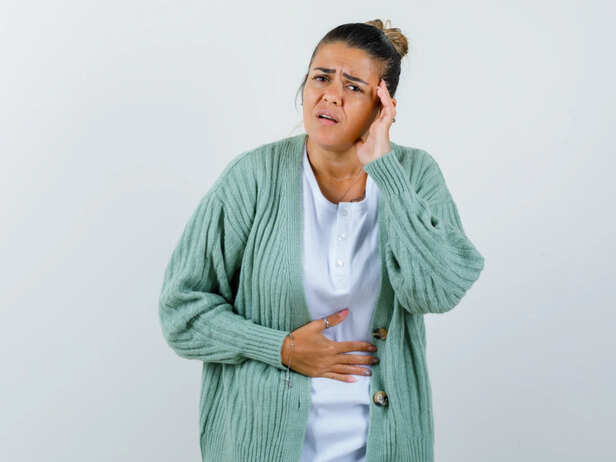
Have you ever finished a light breakfast or a small lunch only to feel as though you have eaten far more than you actually did? Your stomach may feel tight, swollen or uncomfortably full, even when your meal was not particularly heavy.Occasional bloating is common. It can happen after eating certain foods, drinking fizzy beverages or consuming meals too quickly. However, when the problem keeps returning, even after small meals, it may be worth looking beyond your eating habits.
Bloating happens when your abdomen feels full, tight or swollen. It is often associated with excess gas, but it can also occur due to constipation, digestive disorders or changes in how your gut processes food.Here are seven possible reasons why you may feel bloated even after eating small portions.
1. You May Be Eating Too Quickly
Your eating speed can influence how comfortable you feel after a meal. When you eat too quickly, you may swallow more air than usual. This can contribute to gas, belching and abdominal discomfort.Eating in a hurry may also make it harder to recognise when you are comfortably full, increasing the chances of overeating.Even if your meal is small, eating quickly can leave you feeling uncomfortable afterwards.
What can help?
- Chew your food properly before swallowing.
- Avoid rushing through meals.
- Put your spoon or fork down between bites.
- Avoid talking excessively while chewing.
- Eat in a relaxed environment whenever possible.
Slowing down your meals may help reduce swallowed air and improve digestive comfort.
2. You May Have a Food Intolerance
Do you notice bloating after drinking milk, eating cheese or consuming certain foods?Food intolerance occurs when your digestive system has difficulty processing particular food components. Lactose intolerance is one common example.People with lactose intolerance have insufficient lactase, the enzyme needed to digest lactose, a natural sugar found in milk and dairy products.When lactose is not properly digested, it reaches the large intestine, where bacteria break it down and produce gas.
Common symptoms include:
- Abdominal bloating
- Excessive gas
- Stomach cramps
- Diarrhoea
- Nausea
Some people may also experience digestive discomfort after consuming certain fruits, wheat products, onions or beans.
Keeping a food diary can help you identify whether particular foods trigger symptoms. However, avoid eliminating entire food groups without consulting a healthcare professional or dietitian, as this may lead to nutritional deficiencies.
3. Constipation May Be Making Your Stomach Feel Full
If you experience bloating frequently, constipation could be one possible reason.
When bowel movements become less frequent or stools become hard and difficult to pass, waste remains in the digestive tract for longer. This can contribute to abdominal discomfort, a feeling of fullness and bloating.
You may also experience:
- Straining during bowel movements
- Hard or lumpy stools
- A feeling that your bowel has not emptied completely
- Abdominal cramps
- Reduced appetite
Not drinking enough water, eating insufficient fibre and leading a sedentary lifestyle can contribute to constipation.
How can you manage it?
Include fibre-rich foods such as vegetables, fruits, whole grains and pulses in your meals. Increase fibre gradually rather than suddenly, as a rapid increase can initially make bloating worse.Drink enough water and include regular physical activity, such as walking, in your daily routine.If constipation continues despite lifestyle changes, seek medical advice.
4. Irritable Bowel Syndrome (IBS) Could Be Behind It
If bloating occurs repeatedly along with abdominal pain and changes in bowel habits, irritable bowel syndrome (IBS) may be worth investigating.IBS is a common digestive disorder that affects how the gut functions. It can cause recurring abdominal discomfort along with diarrhoea, constipation or alternating episodes of both.
People with IBS may experience:
- Frequent abdominal bloating
- Excessive gas
- Stomach cramps
- Changes in stool consistency
- A feeling of incomplete bowel emptying
Certain foods, stress, hormonal changes and disruptions in routine may trigger symptoms in some people.IBS does not cause permanent damage to the digestive tract, but its symptoms can interfere with everyday life.There is no single treatment that works for everyone. Doctors may recommend dietary adjustments, stress management, physical activity or medication depending on the symptoms.
5. Your Gut May Be Sensitive to Certain Carbohydrates
Some carbohydrates are not completely absorbed in the small intestine. They travel to the large intestine, where gut bacteria ferment them and produce gas.These carbohydrates are commonly known as FODMAPs, which stands for fermentable oligosaccharides, disaccharides, monosaccharides and polyols.Foods containing higher amounts of these carbohydrates include:
- Onions and garlic
- Certain beans and lentils
- Milk and some dairy products
- Apples and pears
- Certain wheat-based foods
- Some artificial sweeteners
For people with sensitive digestive systems, these foods may contribute to gas, abdominal discomfort and bloating.However, this does not mean everyone should avoid them. Many of these foods provide important nutrients and fibre.People experiencing persistent symptoms may benefit from discussing a low-FODMAP diet with a registered dietitian. This approach generally involves a temporary restriction phase followed by systematic food reintroduction to identify individual triggers.
6. Hormonal Changes May Be Affecting Your Digestion
Have you noticed that your stomach feels more swollen or uncomfortable at certain times of the month?Hormonal fluctuations, particularly around menstruation, can contribute to bloating in some women.Changes in oestrogen and progesterone levels may influence fluid retention and digestive movement. Progesterone can also slow down intestinal movement, potentially contributing to constipation and bloating.
Premenstrual bloating may occur along with:
- Breast tenderness
- Mood changes
- Mild abdominal cramps
- Water retention
- Changes in appetite
This type of bloating often improves after menstruation begins or ends.However, persistent or worsening abdominal swelling should not automatically be attributed to hormonal changes. If bloating occurs alongside pelvic pain, unusual bleeding or changes in appetite, consult a healthcare professional.
7. Underlying Digestive Conditions May Be Responsible
Sometimes, frequent bloating is not simply related to eating habits. Certain medical conditions can affect digestion and cause persistent abdominal discomfort.Some possibilities include:
Coeliac disease: This is an autoimmune condition in which consuming gluten triggers an immune response that damages the small intestine. Symptoms can include bloating, diarrhoea, abdominal pain, fatigue and nutritional deficiencies.
Gastrointestinal infections: Certain infections can disturb normal digestive function and cause gas, diarrhoea, cramps and bloating.
Small intestinal bacterial overgrowth (SIBO): This condition involves an abnormal increase in bacteria in the small intestine. It may cause bloating, excessive gas, abdominal discomfort and changes in bowel movements.
Gastroparesis: This condition occurs when the stomach empties food more slowly than normal. It can cause early fullness, nausea, vomiting and prolonged bloating after meals.
These conditions require proper medical assessment. A doctor may recommend blood tests, stool tests, breath tests or imaging depending on your symptoms.
When Should You Be Concerned About Frequent Bloating?
Occasional bloating after a meal is usually not a reason to panic. However, persistent abdominal swelling or bloating that keeps returning deserves attention.Consult a doctor if you experience bloating along with:
- Unexplained weight loss
- Blood in your stool
- Persistent abdominal pain
- Frequent vomiting
- Changes in bowel habits that do not improve
- Loss of appetite or feeling full very quickly
- A noticeable increase in abdominal size
Seek urgent medical attention if you experience severe abdominal pain, persistent vomiting, significant abdominal swelling or an inability to pass stool or gas.A healthcare professional can assess your symptoms, medical history and eating habits to identify the underlying cause.
Simple Habits That May Help Reduce Bloating
While the right approach depends on what is causing your symptoms, a few everyday changes may improve digestive comfort.
- Eat smaller, balanced meals: Avoid rushing through meals and pay attention to portion sizes.
- Stay hydrated: Drinking enough water supports normal digestion and helps prevent constipation.
- Limit fizzy drinks: Carbonated beverages can increase gas and abdominal discomfort.
- Identify food triggers: Maintain a food diary to understand which foods may be associated with your symptoms.
- Stay physically active: A short walk after meals may help support normal digestive movement.
- Increase fibre gradually: Include fruits, vegetables and whole grains without making sudden dietary changes.
- Avoid unnecessary food restrictions: Do not remove several food groups without professional guidance.
Listen to What Your Digestive System Is Telling You
Feeling bloated even after eating a small meal can be frustrating, particularly when it starts affecting your appetite and daily routine. While eating quickly, constipation and food intolerances are common possible explanations, recurring bloating can sometimes point towards an underlying digestive condition.Pay attention to when the discomfort occurs, what you eat before it starts and whether other symptoms appear alongside it. If bloating becomes frequent, persistent or painful, seek medical advice instead of repeatedly changing your diet or relying on home remedies.Understanding the cause is more useful than simply trying to make the bloating disappear.
Unlock insightful tips and inspiration on personal growth, productivity, and well-being. Stay motivated and updated with the latest at My Life XP.