
Heart Attacks Don’t Start With Pain, Doctors Reveal What Comes First
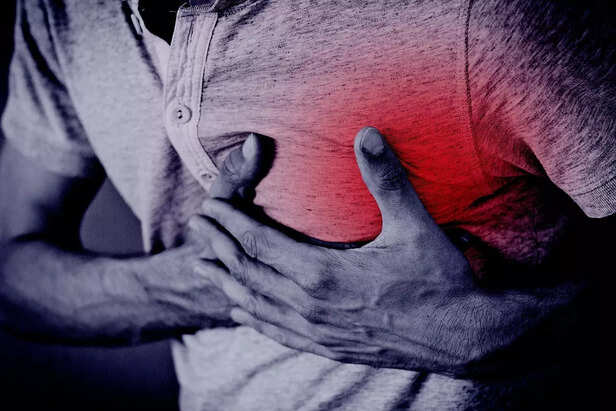
Heart attacks rarely look dramatic, and that is what makes them dangerous. Based on cardiologist insights and real patient experiences, most heart attacks begin with subtle signs that feel ordinary. Common early symptoms include chest pressure, unexplained fatigue, breathlessness, or discomfort spreading to the arm, jaw, or back. Medical experts stress that early action saves heart muscle and improves survival. Trusted health studies confirm that recognising these first signals and seeking help immediately can prevent serious damage. This guide explains the earliest warning signs in simple language, helping readers act quickly, wisely, and with confidence.
Chest Pressure Is the First Clue
Chest discomfort is the most common early sign of a heart attack, according to experienced cardiologists. It is usually described as heaviness, pressure, squeezing, or a feeling of fullness in the center of the chest. Many patients say it feels like weight pressing down rather than sharp pain. This sensation may last several minutes or come and go over time. Because it does not feel stabbing or severe at first, people often ignore it. Medical experts stress that recognizing this early warning and seeking immediate care can protect heart muscle and save lives.
Pain That Travels Beyond the Chest
Heart attack pain often does not remain limited to the chest. Medical experts explain that discomfort can travel to the left arm, both arms, the jaw, neck, or even between the shoulder blades. This pattern occurs because the heart and these areas share common nerve pathways. As a result, many people mistakenly assume the sensation is muscle strain, dental pain, or fatigue. Cardiologists emphasize that any unexplained pain or pressure in the upper body should never be ignored. Recognizing these warning signs early and seeking immediate medical care can save heart muscle, prevent complications, and significantly improve survival outcomes.
Silent Symptoms You Should Not Ignore
If something suddenly feels wrong above the waist, do not ignore it or wait for the pain to pass. Cardiologists emphasize that unusual discomfort in the chest, arms, jaw, neck, or upper back can signal a heart attack, even without sharp pain. From clinical experience, doctors repeat one rule: time saves heart muscle. Immediate medical care improves blood flow, limits heart damage, and increases survival. Trusted heart health guidelines worldwide confirm that calling emergency services right away leads to better outcomes. Acting fast turns a warning sign into a life saving decision.
Why People Miss the Early Signs
Early heart attack signs often feel ordinary, like indigestion, acidity, fatigue, or daily stress. Because these symptoms seem mild, many people wait, hoping they will pass. Cardiologists warn that this delay is dangerous. In real medical practice, early treatment saves heart muscle and reduces long term damage. Chest pressure, unusual tiredness, shortness of breath, or discomfort in the arm, jaw, or back should never be ignored. Studies and clinical experience confirm that time lost equals heart muscle lost. Acting quickly improves survival and recovery. Trust your body, respect warning signs, and seek emergency care immediately. This awareness can save lives and protect lifelong heart health.
The Golden Rule That Saves Lives
If something suddenly feels wrong above the waist, do not wait or ignore it. Cardiologists stress that unusual sensations in the chest, arms, jaw, neck, back, or upper stomach can signal a heart attack. These signs may feel like pressure, heaviness, breathlessness, nausea, or extreme fatigue rather than sharp pain. From medical experience and research, early action saves lives because time lost means heart muscle lost. Calling emergency services immediately allows faster diagnosis and treatment, improving survival and recovery. Trusted heart specialists agree that listening to your body and acting quickly is one of the most powerful ways to protect your heart and long term health.
Unlock insightful tips and inspiration on personal growth, productivity, and well-being. Stay motivated and updated with the latest at My Life XP
Frequently Asked Questions (FAQs)
What is the earliest sign of a heart attack?
The first sign is often chest discomfort that feels like pressure, heaviness, or tightness. It may also appear as discomfort in the arm, jaw, neck, or back.
Can a heart attack happen without chest pain?
Yes. Many people experience breathlessness, nausea, cold sweats, or sudden fatigue without chest pain.
Who is more likely to have silent symptoms?
Women, older adults, and people with diabetes often experience less obvious symptoms.
What should I do if symptoms feel mild?
Do not wait. Call emergency services immediately. Early treatment saves heart muscle.
Is this information a substitute for medical advice?
No. Always consult a qualified healthcare professional for diagnosis and treatment.