
How to Protect Your Mental Health on Social Media
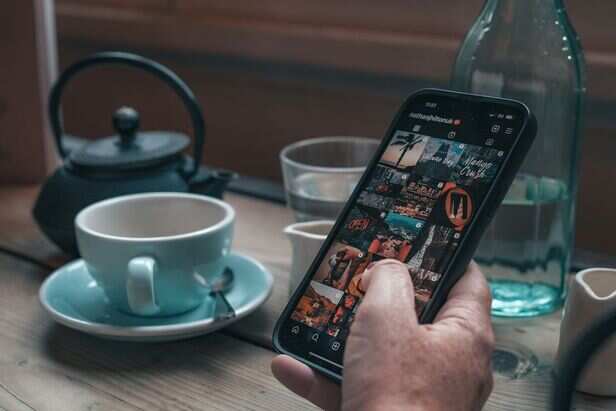
Social media has become a part of everyday life. Whether you use it to stay in touch with friends, follow your favorite creators, or learn something new, it offers many benefits. However, spending too much time online or using social media in unhealthy ways can affect your mood, confidence, and overall mental well-being.
Many people do not realize how much social media influences their emotions until they begin feeling stressed, anxious, or unhappy. Constant notifications, endless scrolling, and comparing your life with others can slowly take a toll on your mental health.
The good news is that you do not have to give up social media completely. By making a few mindful changes, you can enjoy its benefits while protecting your emotional well-being.
Why Social Media Can Affect Mental Health
Social media is designed to keep users engaged. Every notification, like, and new post encourages people to spend more time on the platform. While this is not always harmful, excessive use can lead to emotional exhaustion.
Some common effects include:
- Feeling anxious after reading upsetting news
- Comparing yourself with others
- Fear of missing out on experiences
- Low self-esteem due to unrealistic beauty or lifestyle standards
- Difficulty focusing because of constant distractions
- Poor sleep from late-night scrolling
Recognizing these effects is the first step toward building healthier online habits.
Limit Your Daily Screen Time
One of the simplest ways to protect your mental health is by reducing the amount of time you spend on social media.
Many smartphones include screen time tracking features that show how long you spend on different apps. Reviewing this information can help you understand your habits and make small improvements.
Try setting daily limits that are realistic. Even reducing your usage by 30 minutes each day can make a noticeable difference.
Instead of reaching for your phone whenever you have free time, consider reading a book, taking a short walk, or talking with someone in person.
Stop Comparing Your Life to Highlight Reels
One of the biggest challenges of social media is comparison.
Most people share their happiest moments, biggest achievements, vacations, and celebrations. Very few share their struggles, failures, or ordinary days.
When you compare your everyday life with someone else's carefully selected highlights, it is easy to feel like you are falling behind.
Whenever you notice yourself making comparisons, remind yourself that social media only shows a small part of someone's life. Everyone faces challenges, even if they are not visible online.
Focus on your own goals and celebrate your personal progress instead of measuring yourself against others.
Follow Accounts That Make You Feel Good
The content you see every day has a direct impact on your mood.
Take a few minutes to review the accounts you follow.
Ask yourself:
- Does this account inspire me?
- Does it educate me?
- Does it make me laugh?
- Does it leave me feeling stressed or insecure?
If certain accounts consistently make you feel anxious, inadequate, or unhappy, it is perfectly okay to unfollow, mute, or block them.
Replace negative content with pages that promote learning, creativity, positivity, hobbies, or healthy lifestyles.
Your social media feed should support your well-being instead of damaging it.
Turn Off Unnecessary Notifications
Constant notifications interrupt your attention and create pressure to check your phone repeatedly.
You do not need to know every time someone likes a post or uploads a new story.
Turning off non-essential notifications helps you regain control over your attention.
Instead of reacting to every alert, choose specific times during the day to check your social media accounts.
This small habit reduces stress and helps improve focus.
Take Regular Social Media Breaks
Everyone benefits from taking occasional breaks from social media.
You do not have to disappear for months. Even a short break can help refresh your mind.
You might choose to stay offline for:
- One evening each week
- An entire weekend
- A full day every month
- A holiday or vacation
During these breaks, spend time doing activities that improve your mood, such as exercising, cooking, spending time outdoors, or meeting friends and family.
Many people notice improved sleep, better concentration, and lower stress after spending less time online.
Avoid Doom scrolling
Doom scrolling is the habit of continuously reading negative or upsetting news online.
While staying informed is important, consuming distressing content for long periods can increase anxiety and emotional fatigue.
Set limits on how often you check the news.
Choose reliable sources instead of constantly refreshing your feed.
Balance serious news with positive or educational content to create a healthier online experience.
Protect Your Sleep
Using social media before bed can interfere with quality sleep.
Bright screens and engaging content make it harder for your brain to relax.
Create a bedtime routine that does not include scrolling through social media.
Try putting your phone away at least 30 to 60 minutes before sleeping.
Instead, read a book, listen to calming music, write in a journal, or practice relaxation exercises.
Better sleep often leads to improved mood and better emotional resilience.
Be Careful About What You Share
Not everything needs to be posted online.
Before sharing personal updates, photos, or opinions, ask yourself whether you are comfortable with others seeing them long term.
Protecting your privacy reduces unnecessary stress and helps you maintain healthier boundaries.
Remember that once something is shared online, it may remain accessible even after it has been deleted.
Sharing thoughtfully can help you feel more secure and confident.
Remember That Likes Do Not Measure Your Worth
It is easy to become attached to numbers such as likes, comments, followers, and shares.
However, these numbers do not determine your value as a person.
Social media algorithms influence what people see, meaning engagement is not always a reflection of quality or popularity.
Your self-worth comes from your character, relationships, kindness, skills, and personal growth, not from online approval.
The less importance you place on digital validation, the healthier your relationship with social media becomes.
Build Strong Offline Connections
Real-life relationships play an important role in emotional well-being.
Make time for face-to-face conversations, family meals, hobbies, community activities, or meeting friends.
Offline experiences provide deeper emotional support than online interactions alone.
Strong personal relationships help reduce feelings of loneliness and improve overall happiness.
Even a simple conversation with someone you trust can make a meaningful difference.
Know When to Ask for Help
If social media consistently leaves you feeling anxious, depressed, overwhelmed, or emotionally exhausted, it may be time to seek support.
Talking to a trusted friend, family member, teacher, or mental health professional can help you understand your feelings and develop healthier coping strategies.
Seeking help is a sign of strength, not weakness.
The earlier you address emotional challenges, the easier they are to manage.
Healthy Social Media Habits to Practice Every Day
Protecting your mental health does not require dramatic changes. Small daily habits often have the greatest impact.
Some healthy habits include:
- Set daily screen time limits.
- Avoid comparing yourself with others.
- Follow positive and educational accounts.
- Take regular breaks from social media.
- Turn off unnecessary notifications.
- Keep your phone away before bedtime.
- Spend time with family and friends offline.
- Focus on real-life achievements instead of online approval.
- Practice gratitude each day.
- Make time for hobbies that do not involve screens.
By following these habits consistently, you can enjoy social media while maintaining a healthier and more balanced lifestyle.
Creating a Healthier Relationship With Social Media
Social media is a powerful tool, but it should support your life instead of controlling it. The way you use these platforms matters more than how often you use them.
Being mindful of your online habits, setting healthy boundaries, and prioritizing your emotional well-being can help you create a more positive digital experience. By focusing on meaningful connections, limiting unhealthy comparisons, and making time for offline activities, you can enjoy the benefits of social media without sacrificing your mental health.
A healthier relationship with social media starts with small, intentional choices made every day. Those choices can lead to greater peace of mind, stronger self-confidence, and a happier, more balanced life.
Unlock insightful tips and inspiration on personal growth, productivity, and well-being. Stay motivated and updated with the latest at My Life XP.