
How to Protect Your Skin From Hidden Monsoon Infections
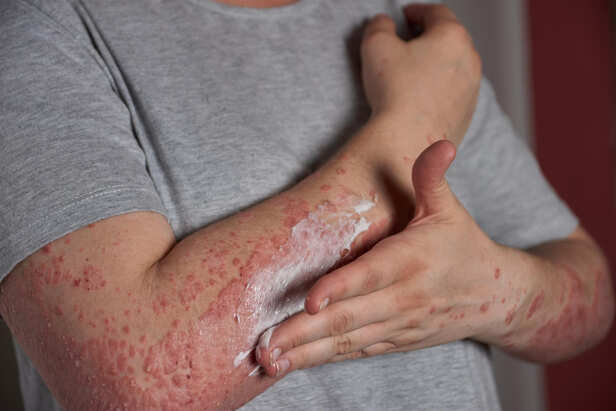
The rain may bring cooler weather, greener landscapes, and relief from the summer heat but it also brings a hidden danger that many people overlook. If you've ever noticed itchy rashes, peeling skin, red patches, or painful bumps during the rainy season, you're not alone. The real culprit isn't just getting wet in the rain. It's what happens after your skin stays damp for hours. High humidity creates the perfect environment for fungi and bacteria to grow. The good news? Most monsoon skin infections can be prevented with a few simple daily habits. Knowing what to watch for could save you weeks of discomfort.
Why Monsoon Becomes the Perfect Season for Germs
During the rainy season, moisture stays on the skin much longer because of high humidity. Sweat mixes with rainwater, creating a warm and damp environment where fungi and bacteria multiply rapidly. Skin folds, feet, and areas covered by tight clothing become especially vulnerable. Even people with healthy skin may develop infections if dampness remains trapped for long periods. Understanding this hidden trigger is the first step toward preventing common monsoon skin problems.
The Fungal Infection That Often Starts With a Small Itch
Ringworm and jock itch are among the most common fungal infections during monsoon. They usually appear as itchy, red, circular patches with slightly raised edges. These infections thrive in warm, sweaty areas like the groin, thighs, underarms, and neck. Ignoring the early signs allows the fungus to spread quickly. Wearing loose cotton clothing and keeping these areas dry can greatly reduce the chances of developing these uncomfortable skin infections.
Your Feet Could Be at Greater Risk Than You Think
Walking in rain-soaked shoes or wearing damp socks for long hours creates the perfect environment for athlete's foot. This fungal infection causes itching, peeling skin, redness, and painful cracks between the toes. It can spread easily if left untreated. Dry your feet thoroughly after getting wet, change into clean socks daily, and allow your shoes to dry completely before wearing them again. These simple habits can protect your feet throughout the rainy season.
When Tiny Bumps Turn Into Painful Skin Problems
Monsoon moisture doesn't only encourage fungal growth it also increases the risk of bacterial infections like folliculitis and boils. These usually begin as small, red, pus-filled bumps around hair follicles and may become painful if bacteria enter through minor cuts or skin irritation. Good personal hygiene, gentle cleansing, and avoiding tight clothing can help reduce friction and prevent bacteria from infecting the skin during humid weather.
Sensitive Skin Needs Extra Protection During Rainy Days
People with eczema often notice worsening symptoms during the monsoon. Sudden changes in humidity can disrupt the skin's natural barrier, leading to dryness, itching, redness, and inflammation. Scratching further damages the skin, increasing the risk of infection. Applying fragrance-free moisturisers regularly, using gentle cleansers, and avoiding harsh soaps can help calm sensitive skin and reduce flare-ups during the rainy season.
Everyday Habits That Keep Skin Healthy
Preventing skin infections doesn't require expensive treatments. Dry your body thoroughly after bathing or getting caught in the rain, especially between the toes and in skin folds. Wear breathable cotton clothing, avoid staying in wet clothes, use antifungal powder if recommended, and wash sweaty clothes before wearing them again. These simple habits reduce moisture, limit bacterial growth, and keep your skin healthier throughout the monsoon.
Know When It's Time to See a Doctor
While many mild skin infections improve with proper care, persistent itching, spreading rashes, painful boils, fever, or infected wounds require medical attention. Delaying treatment may allow the infection to worsen or spread to other areas of the body. A dermatologist can diagnose the exact cause and recommend appropriate antifungal or antibacterial treatment. Early care not only speeds recovery but also prevents long-term skin complications.
Unlock insightful tips and inspiration on personal growth, productivity, and well-being. Stay motivated and updated with the latest at My Life XP.
Frequently Asked Questions (FAQs)
1. Why do skin infections become more common during the monsoon?
High humidity and constant moisture create ideal conditions for fungi and bacteria to grow, increasing the risk of skin infections.
2. What are the most common skin infections during the rainy season?
Common monsoon skin problems include ringworm, jock itch, athlete's foot, folliculitis, boils, and eczema flare-ups.
3. How can I prevent fungal infections during monsoon?
Keep your skin dry, wear loose cotton clothing, change out of wet clothes immediately, maintain good foot hygiene, and use antifungal powder if recommended by a healthcare professional.
4. Can wearing wet shoes increase the risk of infection?
Yes. Damp shoes and socks create a warm, moist environment that encourages fungal growth, especially athlete's foot.
5. Is it normal for eczema to worsen during the rainy season?
Yes. Changes in humidity can trigger eczema flare-ups, leading to itching, redness, dryness, and irritation in people with sensitive skin.