India’s GLP-1 Weight Loss Drug Problem Nobody Is Warning You About
Palak Khanna | May 29, 2026, 09:00 IST
India is witnessing a silent weight loss revolution. Drugs originally designed for diabetes are now being used by thousands for rapid fat loss. From celebrities to college students, everyone seems obsessed with GLP-1 injections. But behind the glossy transformation videos and “miracle weight loss” claims lies a dangerous reality that very few are discussing openly. Rising misuse, fake online sellers, emotional dependency, side effects, and unrealistic beauty standards, creating a health crisis India may not be prepared for

A 26-year-old marketing executive in Mumbai loses 14 kilos in three months. Her Instagram fills with compliments. Friends ask for her “secret.” She smiles and says it is just discipline and calorie control. What she does not mention is the weekly injection sitting inside her refrigerator. Across India, GLP-1 drugs are becoming the new obsession. Medicines like semaglutide and tirzepatide, originally meant for diabetes treatment, are now being marketed as life-changing weight loss solutions. Celebrities praise them. Influencers quietly promote them. Urban clinics are cashing in on the trend. For many Indians struggling with obesity, PCOS, or diabetes, these drugs can genuinely help. Doctors worldwide have called them revolutionary. But India’s problem is not the medicine itself. The problem is the speed, secrecy, and social pressure surrounding it. A country already battling body image issues is now entering an era where thinness can be injected. And the consequences are beginning to show.
The Relationship Crisis Nobody Talks About
![]()
GLP-1 drugs work by slowing digestion, controlling blood sugar, and reducing hunger signals in the brain. Patients feel full faster and eat less. The result can be dramatic weight loss. In India’s metro cities, these injections are slowly turning into lifestyle products rather than medical treatments. People who are not medically obese are now demanding prescriptions. Some want to lose weight before weddings. Others want a slimmer face for social media photos. Gym trainers and beauty clinics are recommending drugs despite lacking proper medical expertise. The pressure is especially intense among young women. For decades, Indian society linked beauty with fairness. Now thinness is becoming equally aggressive. The rise of curated Instagram aesthetics has worsened the problem. People are no longer comparing themselves to neighbors. They are comparing themselves to filtered bodies online. Many users are not mentally prepared for the emotional impact of rapid weight loss either. Some experience anxiety around regaining weight. Others develop unhealthy relationships with food. What starts as a confidence boost can slowly turn into dependency.
![The Weight Loss Shot Changing India’s Beauty Standards]()
One of the biggest dangers is accessibility without supervision. As demand increases, illegal sellers are entering the market. Social media pages, Telegram groups, and unauthorized online pharmacies are offering GLP-1 drugs without prescriptions. Some products may be improperly stored, counterfeit, or diluted. Doctors have already warned that fake weight loss injections could become India’s next major health scam. Unlike ordinary tablets, these medicines require careful monitoring. Doses must be increased gradually. Patients need evaluation for thyroid conditions, pancreatitis risk, kidney health, and nutritional deficiencies. But many Indians are skipping doctors entirely because consultations are expensive or because they want faster results. This creates a dangerous situation where people self-medicate powerful hormonal drugs without understanding long-term effects. And in a country where medical misinformation spreads rapidly online, fear and hype travel together.
Most social media success stories focus only on “before and after” photos. Very few talk about the vomiting, nausea, weakness, dehydration, or severe digestive discomfort some users experience. Others report hair fall, fatigue, dizziness, and muscle loss after dramatic weight reduction. There is also another hidden issue. Rapid weight loss can sometimes create emotional emptiness. Many people emotionally rely on food for comfort, stress relief, or celebration. When appetite suddenly disappears, unresolved emotional struggles can surface. Some users describe feeling detached from meals, social gatherings, or family events centered around food. In India, food is deeply cultural and emotional. Removing that connection too quickly can affect mental well-being. Doctors are also concerned about people taking these drugs without fixing lifestyle habits. Once the medication stops, weight regain can happen quickly if eating patterns remain unhealthy. The result is a cycle of panic dieting and emotional frustration.
GLP-1 injections are expensive. Monthly costs can range from several thousand rupees to far beyond what middle-class families can comfortably afford. Yet the marketing around these medicines creates the illusion that slimness is now a purchasable achievement. This creates a new form of appearance inequality. Wealthier urban Indians gain access to rapid transformations while others are left feeling inadequate. Young people watching celebrity transformations may believe that normal bodies are failures. Meanwhile, India still faces serious nutritional problems, diabetes growth, and lack of access to basic healthcare in rural regions. The contrast is disturbing. One part of the country struggles to afford healthy food while another spends heavily on pharmaceutical thinness. The obsession with appearance risks overshadowing conversations about genuine health.
![]()
The biggest problem may not be side effects alone. It may be what these drugs represent culturally. India has entered an age where patience is disappearing. People want instant careers, instant fame, instant skin glow, and now instant weight loss. GLP-1 drugs fit perfectly into this mindset. But obesity is rarely just about laziness or overeating. It is linked to stress, sleep, emotional health, urban lifestyles, hormonal disorders, genetics, and food systems. A weekly injection cannot solve every root problem. There is also a growing fear among health experts that these drugs may normalize extreme body expectations. Teenagers are already exposed to edited beauty standards daily. If injectable weight loss becomes socially normal, body dissatisfaction could worsen across generations. The danger is not that these medicines exist. The danger is a society that may begin treating natural bodies as unacceptable unless medically altered.
GLP-1 drugs could genuinely help millions of Indians dealing with obesity and diabetes when prescribed responsibly. They are not evil. For some patients, they may even be life-changing.But India is rushing into the trend emotionally before understanding it medically. A culture obsessed with appearance, social validation, and shortcuts can easily turn powerful medicines into dangerous lifestyle products. Without stronger awareness, regulation, and honest conversations, the country risks creating a silent epidemic of dependency, body insecurity, and unsafe self-medication. Weight loss should improve health, not create new psychological and social problems. And right now, India may be focusing more on becoming thinner than becoming healthier.
Unlock insightful tips and inspiration on personal growth, productivity, and well-being. Stay motivated and updated with the latest at My Life XP.
The Relationship Crisis Nobody Talks About
From Diabetes Medicine to Status Symbol
GLP-1 drugs work by slowing digestion, controlling blood sugar, and reducing hunger signals in the brain. Patients feel full faster and eat less. The result can be dramatic weight loss. In India’s metro cities, these injections are slowly turning into lifestyle products rather than medical treatments. People who are not medically obese are now demanding prescriptions. Some want to lose weight before weddings. Others want a slimmer face for social media photos. Gym trainers and beauty clinics are recommending drugs despite lacking proper medical expertise. The pressure is especially intense among young women. For decades, Indian society linked beauty with fairness. Now thinness is becoming equally aggressive. The rise of curated Instagram aesthetics has worsened the problem. People are no longer comparing themselves to neighbors. They are comparing themselves to filtered bodies online. Many users are not mentally prepared for the emotional impact of rapid weight loss either. Some experience anxiety around regaining weight. Others develop unhealthy relationships with food. What starts as a confidence boost can slowly turn into dependency.
India’s Black Market Weight Loss Industry Is Growing Fast
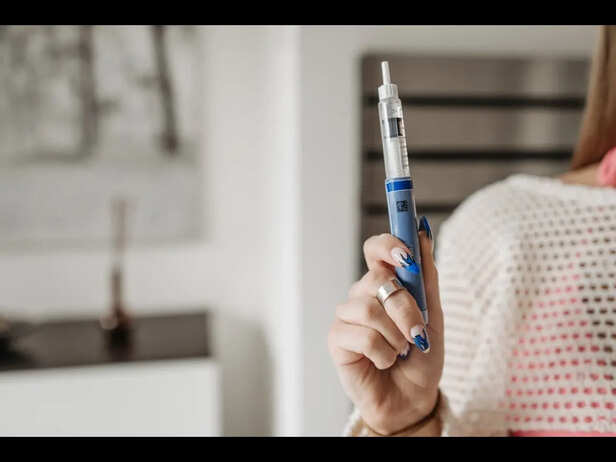
The Weight Loss Shot Changing India’s Beauty Standards
One of the biggest dangers is accessibility without supervision. As demand increases, illegal sellers are entering the market. Social media pages, Telegram groups, and unauthorized online pharmacies are offering GLP-1 drugs without prescriptions. Some products may be improperly stored, counterfeit, or diluted. Doctors have already warned that fake weight loss injections could become India’s next major health scam. Unlike ordinary tablets, these medicines require careful monitoring. Doses must be increased gradually. Patients need evaluation for thyroid conditions, pancreatitis risk, kidney health, and nutritional deficiencies. But many Indians are skipping doctors entirely because consultations are expensive or because they want faster results. This creates a dangerous situation where people self-medicate powerful hormonal drugs without understanding long-term effects. And in a country where medical misinformation spreads rapidly online, fear and hype travel together.
The Side Effects Nobody Posts About
India Is Ignoring The Class Divide Behind These Drugs
The Real Danger Is Cultural, Not Just Medical
The biggest problem may not be side effects alone. It may be what these drugs represent culturally. India has entered an age where patience is disappearing. People want instant careers, instant fame, instant skin glow, and now instant weight loss. GLP-1 drugs fit perfectly into this mindset. But obesity is rarely just about laziness or overeating. It is linked to stress, sleep, emotional health, urban lifestyles, hormonal disorders, genetics, and food systems. A weekly injection cannot solve every root problem. There is also a growing fear among health experts that these drugs may normalize extreme body expectations. Teenagers are already exposed to edited beauty standards daily. If injectable weight loss becomes socially normal, body dissatisfaction could worsen across generations. The danger is not that these medicines exist. The danger is a society that may begin treating natural bodies as unacceptable unless medically altered.
India Needs Awareness Before Addiction
Unlock insightful tips and inspiration on personal growth, productivity, and well-being. Stay motivated and updated with the latest at My Life XP.