Is It Viral Fever? 7 Signs You Should Watch For
Sudha Mishra | Sept 30, 2026, 16:45 IST
Fever, body aches, and sudden fatigue can leave you wondering whether it is a routine viral infection, flu, dengue, or something that needs medical attention. During seasonal changes, several infections can cause similar symptoms, making it important to recognize the warning signs. This article explores the common symptoms of viral fever, how they may differ from conditions such as dengue and flu, and when a fever should not be ignored.

Woman With Fever and Cold Symptoms<br>
Image credit : Freepik
A sudden fever, unexplained weakness, or aching body can make you wonder if you are coming down with a viral infection. With seasonal changes, flu, dengue, and other infections can cause symptoms that may look surprisingly similar. While most fevers are not a cause for panic, knowing which signs to watch can help you understand when you may need medical attention. From a sudden rise in temperature and body aches to headaches, appetite changes, cough, or an unusual rash, these symptoms can offer important clues. Here are seven signs to keep an eye on when fever strikes.
![Woman With Fever and Flu Symptoms]()
A sudden rise in temperature is often one of the first noticeable signs of an infection.
Influenza, for example, commonly begins with a sudden onset of fever along with headache, body aches, fatigue, sore throat or cough.
But fever alone cannot confirm that you have a particular viral infection.
Pay attention to when the fever started, how high it becomes, how long it lasts and what other symptoms appear alongside it.
Feeling as though your entire body has been through a workout can accompany several viral infections.
Muscle and joint aches are common with influenza. They can also occur with dengue, which may cause significant muscle, bone and joint pain.
That means body pain combined with fever deserves attention, particularly if the symptoms become intense or continue to worsen.
A headache that arrives with fever, tiredness and a general feeling of being unwell can occur with influenza and other viral infections.
Dengue can also cause severe headache, sometimes accompanied by pain behind the eyes.
If your headache is unusually severe, persistent or accompanied by other concerning symptoms, do not simply assume it is a routine seasonal fever.
Loss of appetite is another common experience when you are fighting an infection.
Nausea and vomiting can also occur with dengue, while influenza may bring significant fatigue and general malaise.
During a fever, staying hydrated becomes especially important. Take frequent fluids according to your healthcare professional's advice, particularly if you are sweating, vomiting or eating less than usual.
![Woman Experiencing a Sore Throat]()
Not every fever comes with respiratory symptoms, but cough, sore throat and a runny nose are characteristic symptoms of seasonal influenza.
This distinction can be useful when looking at the bigger picture.
Fever plus cough, sore throat and runny nose may point toward a respiratory infection, while fever with severe body aches, headache, pain behind the eyes or rash can occur with dengue. However, symptoms overlap, so they should not be used as a substitute for medical evaluation or testing.
A rash accompanying fever should not automatically be dismissed as a simple viral fever.
Dengue can cause a rash, while more concerning dengue symptoms can include bleeding from the nose or gums, blood in vomit or stool, persistent vomiting and severe abdominal pain.
These symptoms require prompt medical attention.
This is particularly relevant during India's monsoon and post monsoon period, when dengue transmission can increase. India's National Centre for Vector Borne Diseases Control identifies dengue as a mosquito borne viral fever and reports cases across most states and union territories.
This is one of the signs people should take seriously.
With dengue, warning signs of severe disease can appear around the time the fever goes away. WHO notes that a falling temperature does not necessarily mean the person is recovering. Severe abdominal pain, persistent vomiting, rapid breathing, bleeding, marked weakness, pale or cold skin and extreme thirst are warning signs that require immediate medical care.
So, if the thermometer shows a lower number but you suddenly feel much worse, don't assume the illness has passed.
![Checking Body Temperature During Fever]()
The symptoms can overlap, so it is not always easy to tell them apart. Here are some signs to watch:
If you develop a fever, focus on basic supportive care while monitoring your symptoms.
A fever deserves medical attention when it is accompanied by symptoms such as:
Children, older adults, pregnant people and individuals with certain chronic medical conditions may need earlier medical assessment because some infections can become more serious in these groups.
Fever is your body's response to illness, but the fever itself does not tell you what caused it.
During seasonal transitions, respiratory infections and mosquito borne illnesses can both be relevant, particularly in regions where dengue transmission occurs.
So instead of asking only, "Is this viral fever?", look at the complete picture how suddenly the symptoms appeared, what symptoms came with the fever, whether you are improving and whether any warning signs have developed.
When something feels significantly different from an ordinary illness, getting medical advice early can be far more useful than trying to diagnose the infection yourself.
Experiencing frequent stress, fatigue, or health challenges? Your name energy may be worth exploring. Check it here.
Unlock insightful tips and inspiration on personal growth, productivity, and well-being. Stay motivated and updated with the latest at My Life XP
1. Fever Comes Suddenly

Woman With Fever and Flu Symptoms
Image credit : Freepik
A sudden rise in temperature is often one of the first noticeable signs of an infection.
Influenza, for example, commonly begins with a sudden onset of fever along with headache, body aches, fatigue, sore throat or cough.
But fever alone cannot confirm that you have a particular viral infection.
Pay attention to when the fever started, how high it becomes, how long it lasts and what other symptoms appear alongside it.
2. Your Body Starts Aching
Feeling as though your entire body has been through a workout can accompany several viral infections.
Muscle and joint aches are common with influenza. They can also occur with dengue, which may cause significant muscle, bone and joint pain.
That means body pain combined with fever deserves attention, particularly if the symptoms become intense or continue to worsen.
3. Headache and Weakness Hit Hard
Dengue can also cause severe headache, sometimes accompanied by pain behind the eyes.
If your headache is unusually severe, persistent or accompanied by other concerning symptoms, do not simply assume it is a routine seasonal fever.
4. Your Appetite Takes a Hit
Nausea and vomiting can also occur with dengue, while influenza may bring significant fatigue and general malaise.
During a fever, staying hydrated becomes especially important. Take frequent fluids according to your healthcare professional's advice, particularly if you are sweating, vomiting or eating less than usual.
5. Cough or Sore Throat Appears
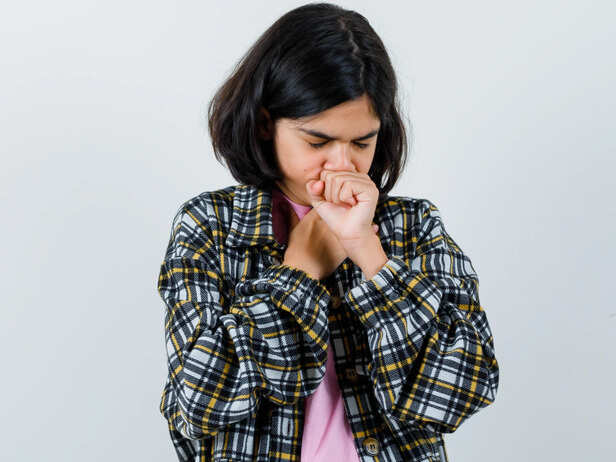
Woman Experiencing a Sore Throat
Image credit : Freepik
Not every fever comes with respiratory symptoms, but cough, sore throat and a runny nose are characteristic symptoms of seasonal influenza.
This distinction can be useful when looking at the bigger picture.
Fever plus cough, sore throat and runny nose may point toward a respiratory infection, while fever with severe body aches, headache, pain behind the eyes or rash can occur with dengue. However, symptoms overlap, so they should not be used as a substitute for medical evaluation or testing.
6. A Rash or Unusual Bleeding Appears
Dengue can cause a rash, while more concerning dengue symptoms can include bleeding from the nose or gums, blood in vomit or stool, persistent vomiting and severe abdominal pain.
These symptoms require prompt medical attention.
This is particularly relevant during India's monsoon and post monsoon period, when dengue transmission can increase. India's National Centre for Vector Borne Diseases Control identifies dengue as a mosquito borne viral fever and reports cases across most states and union territories.
7. You Feel Worse After the Fever Drops
With dengue, warning signs of severe disease can appear around the time the fever goes away. WHO notes that a falling temperature does not necessarily mean the person is recovering. Severe abdominal pain, persistent vomiting, rapid breathing, bleeding, marked weakness, pale or cold skin and extreme thirst are warning signs that require immediate medical care.
So, if the thermometer shows a lower number but you suddenly feel much worse, don't assume the illness has passed.
Viral Fever or Dengue?

Checking Body Temperature During Fever
Image credit : Freepik
The symptoms can overlap, so it is not always easy to tell them apart. Here are some signs to watch:
- Viral or flu like illness: Fever may come with cough, sore throat, runny nose, headache, body aches, and fatigue.
- Dengue: Fever may be accompanied by intense body or joint pain, headache, pain behind the eyes, nausea, vomiting, or a rash.
- Warning signs: Bleeding, severe abdominal pain, persistent vomiting, extreme weakness, or difficulty breathing need prompt medical attention.
- Do not self diagnose: Similar symptoms can occur with several infections. If fever is high, persistent, or worsening, consult a healthcare professional and get tested if advised.
What Really Helps?
Get adequate rest.
Drink enough fluids to avoid dehydration.
Monitor your temperature.
Eat light, nutritious meals if you can tolerate them.
Avoid taking antibiotics without medical advice because antibiotics do not treat viral infections.
If dengue is suspected, seek medical advice rather than self treating with medicines that may increase bleeding risk. WHO specifically advises against aspirin and ibuprofen in suspected dengue.
When to Get Help
Difficulty breathing
Chest pain or pressure
Confusion or unusual drowsiness
Severe or persistent vomiting
Severe abdominal pain
Bleeding from the nose or gums
Blood in vomit or stool
Significant dehydration
Extreme weakness
A concerning rash
Children, older adults, pregnant people and individuals with certain chronic medical conditions may need earlier medical assessment because some infections can become more serious in these groups.
Listen to Your Body
During seasonal transitions, respiratory infections and mosquito borne illnesses can both be relevant, particularly in regions where dengue transmission occurs.
So instead of asking only, "Is this viral fever?", look at the complete picture how suddenly the symptoms appeared, what symptoms came with the fever, whether you are improving and whether any warning signs have developed.
When something feels significantly different from an ordinary illness, getting medical advice early can be far more useful than trying to diagnose the infection yourself.
Experiencing frequent stress, fatigue, or health challenges? Your name energy may be worth exploring. Check it here.
Unlock insightful tips and inspiration on personal growth, productivity, and well-being. Stay motivated and updated with the latest at My Life XP