
Measles Is Not Just a Childhood Rash: 7 Things Everyone Should Know
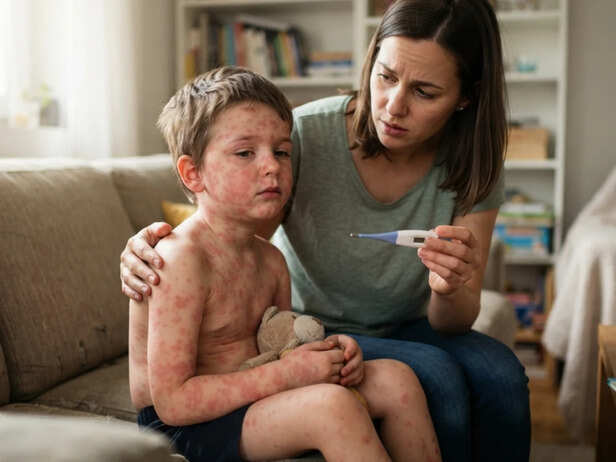
Measles is a viral infection caused by the measles virus. It primarily affects the respiratory system but can also impact several other parts of the body.
What Exactly Is Measles and Why Does It Spread So Easily?
The infection spreads through respiratory droplets and tiny airborne particles released when an infected person coughs, sneezes or breathes. The virus can remain infectious in the air or on contaminated surfaces for up to two hours under certain conditions.What makes measles particularly concerning is its extremely high transmission rate. An infected person can spread the virus to approximately 9 out of 10 susceptible people who come into close contact with them.Unlike some infections that require prolonged physical contact, measles can spread simply through sharing indoor spaces with an infected person.
7 Important Things Everyone Should Know About Measles
1. Early Symptoms Can Look Like a Common Viral Infection
Measles does not always begin with a visible rash. Its initial symptoms can resemble those of an ordinary respiratory infection.
Common early signs include:
- High fever
- Dry cough
- Runny nose
- Red and watery eyes
- Sore throat
- General weakness and tiredness
Small white spots known as Koplik spots may also appear inside the cheeks. These can develop before the characteristic skin rash.The rash generally appears three to five days after the initial symptoms begin. It usually starts on the face and spreads down towards the neck, chest, arms and legs.
2. Adults Can Get Measles Too
Measles is commonly considered a childhood disease, but adults are not automatically protected against it.People who have not received the recommended vaccine doses or do not have immunity from an earlier infection can contract the virus.Adults may experience severe complications, particularly if they have underlying health problems or weakened immune systems.Pregnant women who contract measles may also face an increased risk of complications, including premature birth and low birth weight.This is why vaccination history matters beyond childhood.
3. Measles Can Affect More Than Just the Skin
The rash is one of the most recognisable signs of measles, but the infection can affect multiple organs.
Some patients develop serious complications, including:
- Pneumonia: A lung infection that can cause breathing difficulties.
- Encephalitis: Inflammation of the brain that may result in seizures or permanent neurological damage.
- Ear infections: These can sometimes lead to hearing loss.
- Diarrhoea: Severe cases can cause dehydration.
- SSPE: A rare but fatal neurological condition that can develop years after the initial measles infection.
Young children, particularly those below five years, are at greater risk of serious complications.
4. Why Is Vitamin A Recommended During Measles Treatment?
Vitamin A plays an important role in maintaining healthy vision, immunity and the body's ability to fight infections.Children with measles may experience reduced vitamin A levels, particularly when their nutritional status is already poor.The World Health Organization recommends vitamin A supplementation for children diagnosed with measles, generally in two doses given 24 hours apart under medical supervision.It can help reduce the risk of complications, particularly eye damage and severe illness.However, vitamin A is not a substitute for vaccination or a cure for measles. High doses should never be given to children without medical guidance.
5. Why Is the Measles Vaccine So Important?
The measles vaccine is one of the most effective ways to prevent infection and reduce the chances of outbreaks.Two doses of a measles-containing vaccine provide approximately 97% protection against measles.In India, the measles-rubella vaccine is provided through the Universal Immunisation Programme.The recommended schedule includes:
- First dose at 9–12 months.
- Second dose at 16–24 months.
Parents should maintain vaccination records and consult healthcare professionals if a dose has been missed.
6. Can You Get Measles Even If You Are Vaccinated?
Yes, although it is uncommon.No vaccine provides 100% protection, but two doses of the measles vaccine offer strong protection against infection.In rare cases, vaccinated individuals may still contract measles. However, vaccination generally reduces the likelihood of severe disease and complications.This is also why community vaccination matters. When most people are protected, the virus finds fewer opportunities to spread.
7. Why Are Measles Outbreaks Still Happening Around the World?
Despite the availability of an effective vaccine, measles outbreaks continue to occur in different parts of the world.Several factors contribute to this problem:
- Missed childhood vaccinations.
- Incomplete vaccination schedules.
- Limited access to healthcare in certain communities.
- Misinformation about vaccine safety.
- International travel that allows infected people to carry the virus across borders.
Recent measles activity in the United States has also brought renewed attention to the importance of maintaining high vaccination coverage.The bigger concern is that when vaccination levels decline, communities can become vulnerable even if the disease was previously under control.
How Can You Protect Your Family From Measles?
Prevention starts with vaccination, but recognising symptoms and responding quickly are equally important.Here are some practical precautions:
- Ensure children receive both recommended measles-containing vaccine doses.
- Check vaccination records before international travel.
- Consult a doctor if you are unsure about your immunity.
- Avoid sending a child with suspected measles to school or crowded places.
- Contact a healthcare professional before visiting a clinic if measles is suspected.
- Avoid self-medication and seek medical advice if fever and rash appear together.
There is no specific routine antiviral treatment for measles. Doctors generally provide supportive care, manage dehydration and treat complications when necessary.
Why Measles Should Never Be Taken Lightly
Measles may begin with symptoms that resemble an ordinary viral infection, but its complications can be serious and sometimes life-threatening. Its ability to spread rapidly makes prevention particularly important.The availability of a vaccine has made it possible to prevent a large proportion of infections. However, that protection depends on people completing their recommended vaccination schedules and communities maintaining high coverage.For parents, checking childhood vaccination records is a simple but important step. For adults, understanding their immunity and seeking medical advice when necessary can help reduce the risk.Measles is preventable, but awareness and timely vaccination remain essential to keeping it under control.
Unlock insightful tips and inspiration on personal growth, productivity, and well-being. Stay motivated and updated with the latest at My Life XP.