
Why Parents Urge Early Pregnancy After Marriage (Because Age Affects Fertility)
Female fertility naturally declines with age due to a reduction in both the quantity and quality of eggs. While women are most fertile in their 20s, chances of conception gradually decrease after 30 and more significantly after 35. Understanding how age affects fertility can help women make informed decisions about family planning and reproductive health.
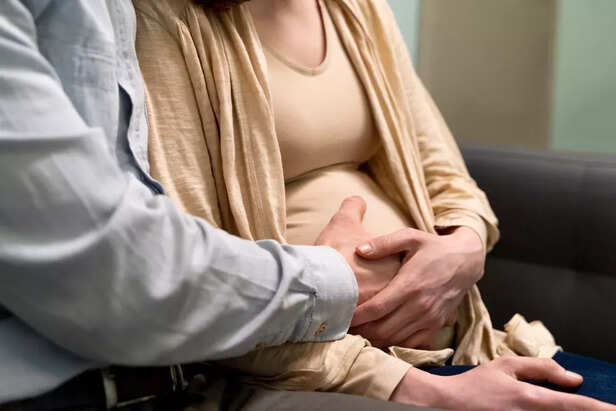
Pregnancy
Age is one of the most important factors influencing female fertility. A woman is born with a fixed number of eggs, and both the number and quality of eggs decline over time. While many women can conceive naturally in their 30s and even 40s, the chances reduce with age, and the risk of complications increases. Understanding how age impacts fertility can help women plan pregnancy, seek timely medical advice, and explore available reproductive options :-
Female fertility and age
Image credit : Freepik
1. Peak Fertility Occurs in the 20s
- Women are most fertile in their early to mid-20s.
- Egg quality and quantity are highest
- Lower risk of genetic abnormalities
- Higher chances of natural conception
2. Fertility Gradually Declines After 30
- After age 30, fertility begins to decrease slowly.
- Fewer eggs are released
- Hormonal changes may affect ovulation
- Conception may take longer
3. Sharp Decline After Age 35
- The decline becomes more noticeable after 35.
- Egg quality drops significantly
- Increased risk of miscarriage
- Higher chances of chromosomal abnormalities
4. Fertility Challenges Increase in the 40s
- In the 40s, natural conception becomes more difficult.
- Lower ovarian reserve
- Irregular ovulation
- Higher pregnancy-related health risks
- However, pregnancy is still possible with medical support.
5. Age Affects Pregnancy Outcomes Too
pregnancy
Image credit : Pixabay
- Advanced maternal age may increase the risk of:
- Gestational diabetes
- High blood pressure
- Preterm birth
- Can women get pregnant naturally after 35?
Yes, many women conceive naturally after 35, but fertility declines and medical monitoring becomes important. - Does IVF overcome age-related fertility decline?
IVF can improve chances, but success rates also decrease with age due to egg quality. - Is egg freezing a good option?
Egg freezing can preserve fertility, especially if done at a younger age.