
Sleeping With a Heater On? This Silent Winter Risk Can Harm Your Brain
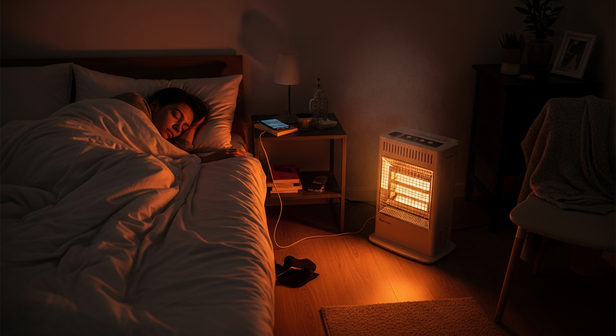
Winter makes warm rooms, heaters and blowers feel comforting and safe. To keep the cold away, many people close doors and windows for long hours. This habit can slowly turn risky without any clear warning. Feeling sleepy, tired or dull is often blamed on winter weather, but doctors say it may be a sign of poor air quality. Using heaters or blowers in closed rooms reduces fresh oxygen and increases health risks. Proper ventilation is important during winter to protect the lungs, brain and heart. Fresh air helps maintain oxygen levels and keeps the body active and safe.
Heaters Change Air Inside a Room
Heaters and blowers consume oxygen from the surrounding air to produce warmth. When used in a closed room, fresh air cannot enter and stale air cannot escape. Over time, oxygen levels begin to drop, making the air unhealthy to breathe. Low oxygen places extra pressure on the lungs and brain, which can affect breathing and mental alertness. The room may feel warm and comfortable, but the air quality keeps getting worse. Proper ventilation is essential when using heaters in winter to maintain safe oxygen levels and protect overall health.
Carbon Monoxide Risk You Cannot See
Some heaters can increase carbon monoxide levels inside a room, especially when used in closed spaces. Carbon monoxide is a dangerous gas because it has no smell or colour, making it hard to detect. When inhaled, it mixes with the blood faster than oxygen and reduces the amount of oxygen reaching vital organs. This lack of oxygen can affect the brain and heart and may lead to serious health problems if exposure continues for a long time. Proper ventilation while using heaters is very important to maintain safe indoor air quality during winter.
What Happens When Oxygen Drops
Low oxygen levels can lead to a condition known as hypoxia, which affects the body quickly. The brain is the first organ to feel the impact, causing slow thinking, poor focus and weak balance. As oxygen levels continue to fall, the heart and lungs are forced to work harder to supply oxygen to vital organs. This extra strain can become dangerous within a short time. The risk is much higher in small, closed rooms with poor ventilation, especially when heaters or blowers are used continuously during winter, increasing the chances of serious health complications.
Early Warning Signs to Never Ignore
Headache, dizziness, tiredness, confusion, anxiety, dry throat, burning eyes and nausea are early warning signs that should not be ignored during winter. Many people mistake these symptoms for normal seasonal weakness or lack of sleep. In reality, they often point to poor indoor air quality or falling oxygen levels caused by heaters used in closed rooms. When fresh air cannot enter, the body starts reacting quickly. Opening windows, improving ventilation and switching off the heater for some time can help restore oxygen levels and prevent serious health risks.
Who Is at Higher Risk
Older adults, young children and people with asthma, lung disease, heart problems or anaemia face a higher risk when heaters are used in closed rooms. Their bodies are less able to cope with low oxygen levels, which can cause symptoms to appear faster and with greater intensity. Even mild oxygen reduction can lead to dizziness, confusion or breathing discomfort for them. Using heaters overnight in rooms with closed doors and windows increases the danger further. To stay safe during winter, it is important for these high-risk groups to ensure proper ventilation and avoid continuous heater use while sleeping.
Unlock insightful tips and inspiration on personal growth, productivity, and well-being. Stay motivated and updated with the latest at My Life XP.
Frequently Asked Questions (FAQs)
1. Is it safe to use a heater in a closed room during winter?
Using a heater in a fully closed room is not safe, as it can reduce oxygen levels and affect air quality.
2. Why do heaters reduce oxygen in a room?
Heaters and blowers consume oxygen, and without ventilation, fresh air cannot enter the room.
3. What are early signs of low oxygen levels indoors?
Common signs include headache, dizziness, unusual tiredness, confusion, nausea and burning eyes.
4. Who is most at risk from low oxygen due to heaters?
Older adults, children and people with asthma, lung disease, heart problems or anaemia are more vulnerable.