
The 10,000 Steps Rule Was Born From an Ad, Not a Study
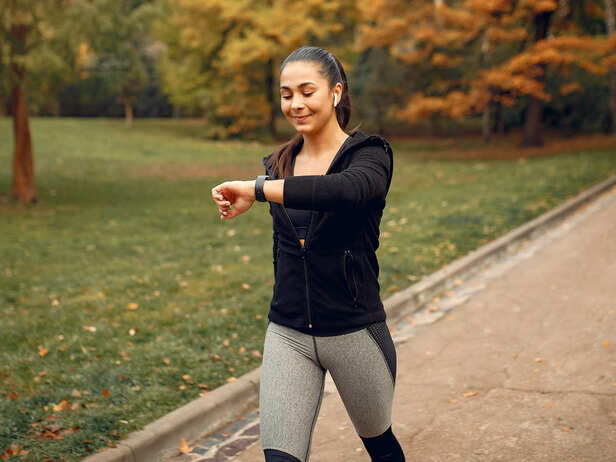
Your phone buzzes in the evening: “You are 3,000 steps away from your goal.” So you pace around the room, walk up and down the corridor, or take one more round of the lane before bed, just to hit the magic number.
Millions of people do this every day. But have you ever asked why the goal is 10,000 and not 8,000 or 12,000? The answer is more surprising than most people expect.
Where Did the 10,000 Steps Rule Come From?
A Pedometer With a Clever Name
The story goes back to 1965 in Japan. Harvard researcher I-Min Lee found that the number traces back to a Japanese device called Manpo-kei, which means “10,000 steps meter,” and she described the name as a marketing tool. It was made by Yamasa Tokei Keiki, a clock and instrument company, and it is described as the first consumer pedometer.
In simple words, the gadget was named first, and the health advice followed. There was no big study behind the number. It was a catchy product name.
Why Did the Number Stick?
There are a few reasons. The Japanese character for 10,000 is said to look like a person walking, and the slogan urging people to walk 10,000 steps a day was easy to remember. A round number is also simple to track and simple to repeat. Lee says it was a made-up number in the sense that it sounded good and was easy to remember.
Years later, fitness bands and phone apps made 10,000 their default goal, and the number spread across the world.
Was There Any Science Behind It?
According to Lee, no studies had looked at 10,000 steps when the Yamasa pedometer was developed. That does not mean the goal is bad or harmful. It only means the number was not chosen because research proved it was the best target.
In fact, later research found that 10,000 steps was a useful target for improving fitness and helping prevent obesity. So the number turned out to be a reasonable goal, even though it started as an advertising idea.
What Does Research Say About How Many Steps You Need?
The Harvard Study on Older Women
A well-known study led by Lee looked at the link between daily steps and the risk of death. It found that walking as few as 4,400 steps a day was linked to a lower risk of death, and that the benefit kept growing with more steps before levelling off at around 7,500 steps a day.
There is an important point here. This study looked at older women and observed patterns in their daily lives. It does not prove that 7,500
A Study on Younger Adults
Another study looked at around 4,000 Americans aged 40 and above. It showed that benefits continued as steps went up to about 12,000, but the curve levelled off, and people who walked fewer than 10,000 steps still gained a benefit.
Small Steps Count Too
One finding is especially encouraging for people who sit most of the day. One researcher said that moving from around 2,000 steps a day to about 4,000 was linked to roughly a 30% lower risk of death from any cause. This is also an association seen in studies, not a guarantee, but it shows that small improvements matter.
So How Many Steps Should You Walk?
The honest answer is that there is no single perfect number. It depends on your age, your health, your daily routine and your fitness level. Here is a simple way to think about it.
- If you sit most of the day, start by adding a little. Lee suggests that people who are inactive add about 2,000 more steps a day, which is close to one mile, and that it does not have to be done all at once. In kilometres, that is roughly 1.5 km spread across the day.
- If you already walk about 5,000 steps, try moving towards 7,000 or 8,000.
- Do not feel like a failure if you only reach 6,000 on a busy day. Lee advises people not to be scared or put off by the 10,000 number. harvard
Easy Ways to Add More Steps to Your Day
You do not need a gym or a special walking hour. Small habits add up quickly.
At Home
Walk around while talking on the phone. Take a short walk after dinner. Do household tasks in a few rounds instead of one.
At Work
Take the stairs when you can. Walk to a colleague’s desk instead of sending a message. Use tea or lunch breaks for a ten-minute stroll.
While Out and About
Park a little farther from the entrance. Get off one stop early on the bus or metro. Walk to the local market instead of using the vehicle for short trips.
During the Festive Season
Shopping, visiting relatives and decorating the house already have you on your feet. Count these as walking time, and add an evening stroll with family.
A Few Things to Keep in Mind
Step counters are helpful, but they are not perfect. Different phones and bands can show slightly different numbers. A step count also does not tell you how brisk your walk was, and a little faster walking can be more useful than slow wandering.
If you have joint pain, heart or breathing problems, or any health condition, or you are recovering from an injury, speak to your doctor before raising your walking goal. Increase your steps slowly, a little at a time, and stop if you feel unwell.
The 10,000 steps rule
The 10,000 steps rule is a great example of how a clever name can turn into a worldwide health belief. It did not come from a study, but it is not a bad goal either. Walking is good for you, and research suggests that the benefits begin much earlier than most people think.
So the next time your phone says you are 2,000 steps away from your target, enjoy the walk, but do not stress about the exact number. The best step goal is the one you can follow comfortably, day after day.
Unlock insightful tips and inspiration on personal growth, productivity, and well-being. Stay motivated and updated with the latest atMy Life XP