
The Silent Vitamin Deficiency That Looks Like Anxiety
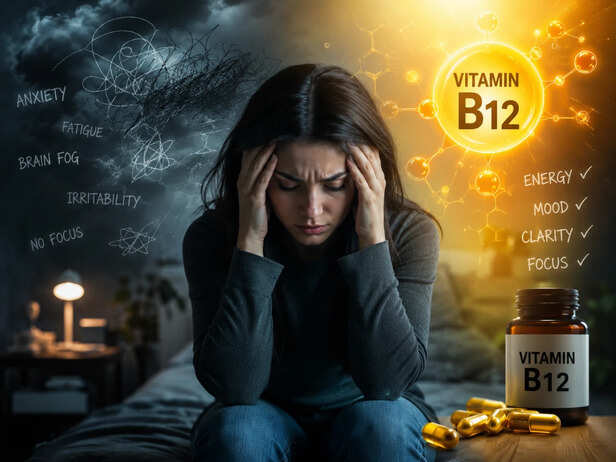
Anxiety has become one of the most talked about health concerns of modern life. Racing thoughts, unexplained nervousness, fatigue, irritability, and trouble sleeping are experiences millions of people face every day. While stress, lifestyle pressures, and mental health conditions are common causes, there is another possibility that often goes unnoticed. Sometimes, the problem is not entirely in the mind. It may begin in the body. One of the most overlooked causes of anxiety-like symptoms is a vitamin deficiency, particularly a lack of Vitamin B12. This essential nutrient plays a crucial role in brain function, nerve health, and mood regulation. When levels fall too low, the symptoms can closely resemble anxiety, leaving many people searching for answers in the wrong place.
Why Vitamin B12 Is So Important for Mental Health
Vitamin B12 is involved in the production of red blood cells and the maintenance of healthy nerve cells. It also helps the body create neurotransmitters, the chemical messengers that influence mood, memory, and emotional balance. When B12 levels drop, the nervous system can struggle to function properly. This can create symptoms that feel surprisingly similar to anxiety. A person may feel constantly on edge, overwhelmed by minor situations, or unusually emotional. They may even experience panic-like sensations without understanding the underlying cause. Since these symptoms develop gradually, many people never suspect a nutritional deficiency could be responsible.
The Symptoms That Can Easily Be Mistaken for Anxiety
One reason Vitamin B12 deficiency often goes undetected is because its symptoms overlap with mental health conditions.
Common signs include:
- Persistent fatigue
- Heart palpitations
- Difficulty concentrating
- Brain fog
- Irritability
- Restlessness
- Mood swings
- Sleep disturbances
- Dizziness
- Feelings of nervousness
Imagine feeling exhausted despite getting enough sleep. You struggle to focus at work, become easily irritated, and feel anxious for no obvious reason. Naturally, anxiety may seem like the most likely explanation. However, if the root cause is a vitamin deficiency, traditional anxiety management techniques may provide only limited relief.
Who Is Most at Risk?
Vitamin B12 deficiency does not affect everyone equally. Certain groups are more vulnerable than others. Vegetarians and vegans may have a higher risk because B12 is primarily found in animal products such as meat, eggs, fish, and dairy. Older adults are also more likely to experience deficiency because the body's ability to absorb B12 decreases with age. People with digestive conditions such as Crohn's disease, celiac disease, or chronic gastritis may struggle to absorb enough of the vitamin from food. Even individuals who eat a balanced diet can develop low B12 levels due to absorption problems that remain unnoticed for years. This is why symptoms can appear unexpectedly and become increasingly severe over time.
The Brain and Body Connection Few People Talk About
Mental health and physical health are deeply connected. When the body lacks essential nutrients, the brain often feels the impact first. Vitamin B12 helps protect the protective covering around nerves called myelin. When this protection weakens, communication between the brain and nervous system may become less efficient. The result can be a mix of physical and emotional symptoms. Some people describe feeling disconnected, mentally drained, or emotionally fragile. Others notice increased sensitivity to stress and difficulty coping with everyday challenges. Because these experiences feel psychological, the biological cause can remain hidden for a long time. Recognizing that mental symptoms can have physical triggers is an important step toward better health.
When Should You Consider Getting Tested?
Not every anxious feeling is caused by a vitamin deficiency. Anxiety disorders are real and common medical conditions that deserve proper attention. However, if anxiety symptoms appear alongside persistent fatigue, memory issues, tingling sensations in the hands or feet, or unexplained weakness, it may be worth discussing vitamin testing with a healthcare professional. A simple blood test can often reveal whether Vitamin B12 levels are low. If a deficiency is identified, treatment may include dietary changes, supplements, or injections depending on severity. Many people report noticeable improvements in energy, concentration, and overall wellbeing once levels are restored. Early detection is especially important because prolonged deficiency can lead to nerve damage that may become difficult to reverse.
Could Your Anxiety Be a Nutrient Deficiency?
Anxiety symptoms can be frightening and disruptive, but they do not always tell the full story. Sometimes the body's quiet signals are mistaken for a mental health problem when the real issue lies in a missing nutrient. Vitamin B12 deficiency is often called a silent condition because it develops gradually and disguises itself through symptoms that resemble stress, anxiety, and emotional exhaustion. Paying attention to both mental and physical health can help uncover hidden causes and lead to more effective solutions. The next time unexplained anxiety refuses to improve, it may be worth looking beyond stress and considering what your body might be trying to tell you.
Unlock insightful tips and inspiration on personal growth, productivity, and well-being. Stay motivated and updated with the latest atMy Life XP.