
How Long to Stay Upright After a Heavy Dinner
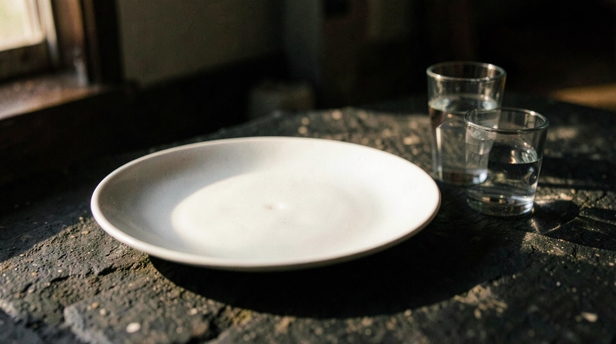
The meal is finished, the plates are cleared, and every instinct says lie down. The sofa is right there. The problem is that your stomach is not finished, it is, in fact, just getting started, and the position you choose in the next hour shapes how comfortably that process goes.
Digestion is partly mechanical. The stomach churns food against its walls, mixes it with acid, and pushes the resulting slurry through a valve at the bottom called the pylorus. Gravity assists that movement when you are upright. When you are horizontal, the stomach contents sit against a different wall, the valve is no longer at the lowest point, and the whole process slows down. That slowdown is not dangerous, but it is where the discomfort comes from.
The Valve That Matters Most
Above the stomach sits a second valve, the lower oesophageal sphincter, which separates the oesophagus from the stomach. In most people, this valve holds well when they are upright. When they lie flat after a large meal, the pressure from a full stomach can push acid upward past it. That is acid reflux: the burning sensation in the chest and throat that has nothing to do with the food being spicy or rich, and everything to do with position and pressure.
A large meal increases stomach volume and therefore increases the pressure on that valve. The combination of a full stomach and a horizontal body is what makes reflux more likely after dinner than at any other time. People who already have a tendency toward reflux, whether or not they have ever had it formally assessed, will notice this more sharply than those who do not.
How Long Is Long Enough
The figure that comes up most consistently in gastroenterology is two to three hours between a large meal and lying flat. This is not a precise biological clock, digestion speed varies by what was eaten, by the individual, and by how large the meal actually was. A light dinner clears the stomach faster than a heavy one with fat and protein, both of which slow gastric emptying. The two-to-three-hour window is a practical estimate for a substantial evening meal, not a rule that applies to a bowl of fruit.
Staying upright does not mean staying active. Standing, sitting at a table, walking slowly, all of these keep the body in a position where gravity is working with the stomach rather than against it. A short walk after dinner, even ten to fifteen minutes at an easy pace, has been shown to move food through the stomach somewhat faster than sitting still, which is why it tends to reduce the heavy, stuck feeling that follows a large meal. It is not exercise in any meaningful sense; it is simply movement that keeps things moving.
What Sitting on the Sofa Actually Does
Sitting is not the same as lying down. Slumped into a sofa at a shallow angle, the position most people actually end up in, puts the body somewhere between upright and horizontal, and that middle ground is where things get complicated. The stomach is not fully assisted by gravity, but the oesophageal valve is also not under the same pressure as it would be lying flat. For most people, this is fine. For someone who already experiences reflux or bloating after meals, the slump tends to produce exactly the symptoms that lying flat would.
Sitting upright, at a table, in a chair with back support, or on a firm sofa with good posture, keeps the stomach in a better mechanical position than the slump. It is not glamorous advice, but it is the reason grandmothers across India have been telling people to sit properly after eating for as long as anyone can remember.
The Sleep Question
The timing of dinner relative to sleep matters for the same reasons. A meal eaten close to bedtime means the stomach is still full when the body goes horizontal. The digestion that was happening upright now has to continue without gravitational help, and the risk of acid moving upward into the oesophagus is higher. Sleep itself is not harmed by digestion, the body continues processing food through the night, but the quality of early sleep, particularly the transition into the deeper stages, can be disrupted by the discomfort of a full stomach and by reflux that wakes a person or causes them to breathe differently.
Eating the largest meal earlier in the evening, rather than immediately before bed, is the practical version of this principle. It gives the stomach time to move food forward before the body goes horizontal. For people who eat late because of work or family schedules, staying upright longer after the meal, closer to three hours than two, compensates somewhat for the timing.
When the Discomfort Is Worth Mentioning to a Doctor
Occasional bloating and fullness after a large meal are normal. The stomach stretched by a big dinner takes time to return to its resting size, and that stretching is felt as pressure. What is worth a doctor's attention is discomfort that is frequent, severe, or accompanied by other symptoms, pain that wakes a person at night, persistent burning that does not settle after a few hours upright, difficulty swallowing, or nausea that is not explained by the size of the meal. These are not things to diagnose from a list; they are reasons to have a conversation with a clinician rather than adjusting dinner posture and hoping for the best.
The mechanics described here apply to ordinary post-meal discomfort in people without an underlying condition. They are not a substitute for assessment if something feels wrong beyond the predictable heaviness of a large meal.
Gravity is doing quiet work every time a person stays on their feet after eating. The stomach empties more efficiently, the valve between stomach and oesophagus holds more reliably, and the body arrives at sleep with less unfinished business. Two to three hours is the estimate worth keeping in mind, not as a rule to follow anxiously, but as the reason the old habit of an after-dinner walk was never really about exercise.
Unlock insightful tips and inspiration on personal growth, productivity, and well-being. Stay motivated and updated with the latest at My Life XP.