
This Red Juice Changes Your Blood Pressure Should You Be Drinking It?
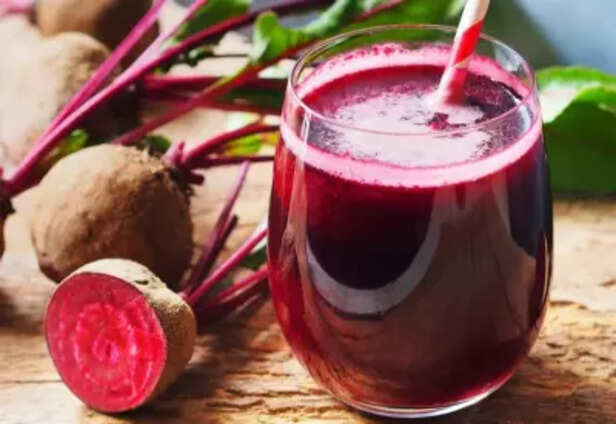
Beetroot juice has subtly emerged as a health superstar. It is bright red, earthy, and potent. Nowadays, a lot of people from heart patients to gym goers drink this rich crimson juice in the hopes of improving their general health, lowering their blood pressure and increasing their stamina. Although social media and medical professionals frequently highlight its advantages the true question is yet unanswered. Is beetroot juice just another wellness fad or is it really a daily health miracle? While scientific research demonstrates definite advantages, it also identifies limitations and hazards for specific individuals. Making an informed and safe decision is made easier when you are aware of how beetroot juice functions who benefits most from it, and who should exercise caution.
A Happy Heart in a Red Glass
It's widely accepted that beetroot juice promotes heart health. Natural nitrates found in it are converted by the body into nitric oxide. Nitric oxide promotes healthy circulation and increases blood flow by assisting blood vessels in relaxing. According to research, consuming one or two glasses of beetroot juice per day can reduce blood pressure in less than a day. Older persons and those with high blood pressure will particularly benefit from this feature. But the effect is fleeting, lasting barely a day or so. Consistent consumption is necessary for long-term outcomes. Although it is not a miracle treatment, beetroot juice promotes heart health.
More Energy Less Tired Muscles
Feeling tired quickly during walking, cycling, or exercise? Beetroot juice may help improve endurance naturally. Research shows it helps muscles use oxygen more efficiently, allowing the body to perform physical activity for a longer time without early fatigue. This benefit comes from natural nitrates that support better blood flow and energy use. Athletes often drink beetroot juice before workouts, but regular people can benefit too. Half to one glass a day is usually enough. It will not create instant strength, but it supports steady energy and better exercise performance over time.
Not a Magic Drink, Just a Smart Helper
Beetroot juice is helpful, but it cannot fix health problems on its own. It works best when combined with a balanced diet, proper sleep, and regular physical activity. Research shows that beetroot juice can help reduce inflammation and lower oxidative stress in the body, which supports healthy aging and overall wellness. However, drinking more does not increase the benefits. Excess intake may lead to unwanted side effects. Beetroot juice should be seen as a supportive addition to a healthy lifestyle, not a replacement for good nutrition and daily healthy habits.
When Beetroot Juice Can Be a Problem
Not everyone benefits from drinking beetroot juice every day. People with low blood pressure may experience dizziness or weakness because beetroot juice can lower blood pressure further. Individuals with a history of kidney stones should be cautious, as beetroot is high in oxalates that may increase stone formation. Those taking blood pressure medications or medicines such as Viagra should also be careful, since beetroot juice can intensify their effects. Pay close attention to how your body responds. While red or pink urine after drinking beetroot juice is harmless, ongoing discomfort should never be ignored.
How to Drink It the Right Way
Start small by drinking half a glass of beetroot juice mixed with water or apple juice. Fresh juice gives the best results, and it should be stored in the refrigerator for no longer than one day. For exercise support, drink beetroot juice two to three hours before physical activity. Adding ginger, lemon, or carrot can improve both taste and digestion. Choose organic beets when possible to reduce pesticide exposure. Most importantly, include beetroot juice as part of a balanced, colorful diet rather than treating it as a strict daily rule.
Unlock insightful tips and inspiration on personal growth, productivity, and well-being. Stay motivated and updated with the latest at My Life XP.
Frequently Asked Questions (FAQs)
1. Can I drink beetroot juice every day?
Yes, beetroot juice can be consumed daily in moderate amounts. One small glass is enough to gain benefits without increasing the risk of side effects.
2. What is the best time to drink beetroot juice?
The best time is in the morning or two to three hours before exercise, as it helps improve blood flow and energy levels.
3. Does beetroot juice really lower blood pressure?
Yes, studies show it can help lower blood pressure due to its natural nitrates, but the effect is temporary and varies by individual.