
Why Humid Heat Is Harder on Your Body Than Dry Heat
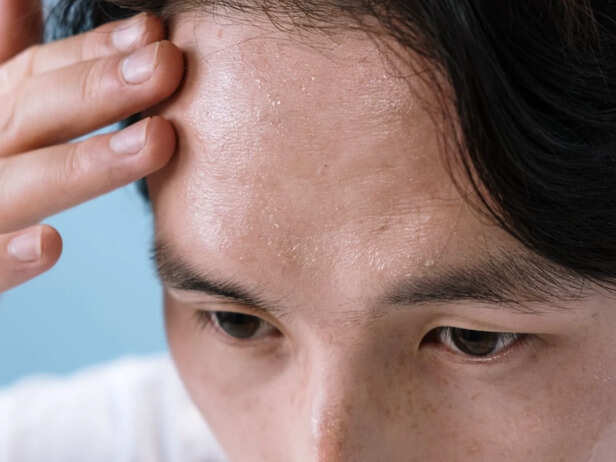
Sweat is not what cools you. Evaporation is. The moment sweat lifts off your skin and turns to vapour, it carries heat away from your body with it. That single mechanism is responsible for almost all the cooling your body can do when the air temperature climbs above your skin temperature. Everything else, the blood moving to your skin, the heart working harder, the blood vessels widening, exists only to get sweat to the surface faster. Take away evaporation, and none of the rest of it works.
What Humidity Actually Does to Sweat
Evaporation is driven by a difference. Sweat leaves your skin as a liquid and becomes vapour only when the air around it can hold more moisture than it already does. In dry air, that gap is wide, sweat vanishes almost as fast as it forms, and you may not even feel wet. In humid air, the gap narrows. When relative humidity climbs past roughly 75 percent, evaporation slows sharply. Above 90 percent, it nearly stops. The sweat is still there, still forming, still running off your skin, but it is not cooling you. It is just wet.
The Body's Response When Cooling Fails
Your body does not know that evaporation has stalled. It only knows that your core temperature is still rising, so it does more of the one thing it knows how to do: it sweats harder. Blood flow to the skin increases. Your heart rate climbs to push that blood faster. Your kidneys pull back on urine output to conserve fluid. Every one of these responses costs something, fluid, electrolytes, cardiac effort, and none of them is achieving the cooling they are designed for. The body is spending resources on a process that the air has made useless.
Why the Same Temperature Feels So Different
A 40°C afternoon in Rajasthan and a 32°C afternoon in coastal Kerala are not the same physiological event. In the desert heat, evaporation is fast and efficient, your body can shed enough heat to stay within a safe range, even if you feel uncomfortable. In the humid heat, your body may be unable to shed heat fast enough even at the lower temperature. The number on the thermometer measures the air. It does not measure how much of your heat the air is willing to take away. That is what humidity controls, and it is why heat index, the combined effect of temperature and humidity on how the body actually copes, matters more than air temperature alone.
When the Body Starts to Lose the Argument
Core temperature in a healthy adult sits close to 37°C. The body defends that number with considerable effort. In humid heat, when evaporation is suppressed and sweating is producing fluid loss without cooling, core temperature can begin to drift upward faster than the body can correct. The early signals are fatigue that feels out of proportion to what you are doing, a pulse that seems faster than the effort warrants, and sweat that is heavy but brings no relief. These are not signs of weakness, they are the body accurately reporting that its cooling system is overwhelmed. Heat exhaustion and, in more serious cases, heat stroke follow the same path: the body keeps spending resources on a cooling mechanism that the air has made ineffective, until the deficit becomes dangerous. Pain that wakes you at night is worth a doctor's appointment; so is confusion, vomiting, or a person who has stopped sweating entirely in conditions where they should be sweating heavily. That last sign, the absence of sweat in extreme heat, is worth treating as an emergency.
What Actually Helps When the Air Is Wet
Since evaporation is the problem, anything that restores it helps. Moving air, a fan, a breeze, an air-conditioned room, carries humid air away from the skin surface and replaces it with air that can still accept moisture, even if only slightly. This is why a fan in a 35°C humid room can feel like meaningful relief, while the same fan in a 45°C dry room does almost nothing: in the humid room, the fan is restoring the mechanism; in the dry room, the mechanism was already working and the fan is just blowing hot air. Staying hydrated matters, but it matters specifically because your body needs the fluid to keep sweating, not because drinking water directly cools you. Loose, open-weave fabric helps for the same reason as moving air: it lets humid air move away from the skin rather than trapping it. Timing physical effort for the cooler, lower-humidity hours of early morning is not comfort-seeking. It is giving the body's cooling system the conditions it needs to function.
The body is not less capable in humid heat, it is running the same system it always runs, against air that will not cooperate. Once you understand what evaporation is actually doing, the heavy, exhausted feeling of a humid afternoon stops being vague discomfort and becomes legible: your body is working hard at something the air has made nearly impossible. That is not a small thing to ask of it.
Unlock insightful tips and inspiration on personal growth, productivity, and well-being. Stay motivated and updated with the latest at My Life XP.