A small cut on your finger feels like a minor event. You press it, it stops bleeding, and at some point you forget it was there. That sequence still happens as you get older, but the timeline stretches in ways that are hard to ignore once you start noticing them. The biology behind it is not mysterious, it is a set of well-understood changes in how the body manages repair, each one slowing a process that once ran quickly without any help from you.
The Repair Sequence Stays the Same, The Speed Does Not
![Turmeric and Calendula Still Life]()
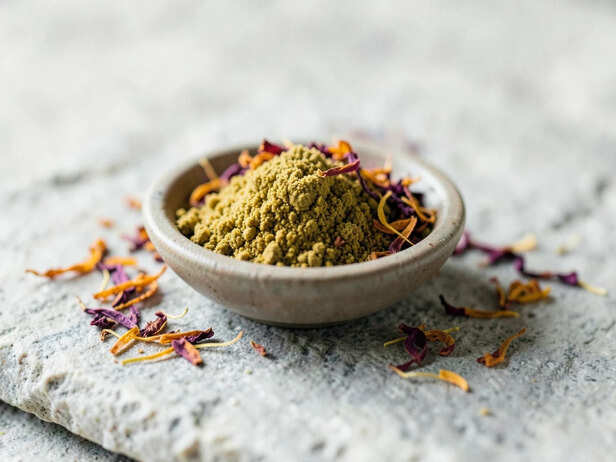
Turmeric and Calendula Still Life
Image credit : MyLifeXP Bureau
Wound healing follows the same four phases at every age: the blood vessels constrict to limit bleeding, platelets form a temporary plug, the immune system sends cells to clear debris and bacteria, and then new tissue grows to close the gap. What changes with age is how quickly each phase hands off to the next. The inflammatory phase, which clears the wound site and signals the repair crew to arrive, runs longer in older skin. That extended inflammation is not doing more work, it is doing the same work more slowly, and the delay pushes every subsequent phase back with it.
Skin Cells Divide More Slowly After Middle Age
The cells that close a wound are called keratinocytes. They migrate from the wound edges inward, covering the gap, and they divide to produce the new tissue underneath. The rate at which keratinocytes divide slows steadily from the late twenties onward. By the mid-forties, that rate is meaningfully lower than it was two decades earlier. A wound that needed a certain number of cell divisions to close requires the same number at fifty, but each division takes longer to complete. The gap stays open longer not because anything has gone wrong but because the underlying clock has slowed.
Collagen Production and Skin Structure Change With Age
![Dropper and Gauze Still Life]()
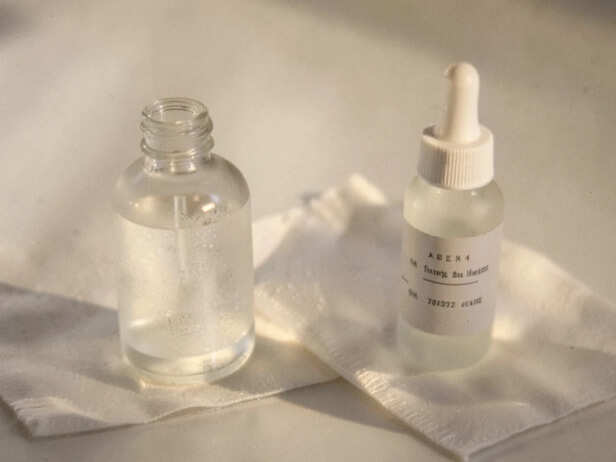
Dropper and Gauze Still Life
Image credit : MyLifeXP Bureau
New tissue is built on a scaffold of collagen. Fibroblasts, the cells that produce collagen, become less active as the body ages, and the collagen they do produce is laid down less efficiently. Older skin also has a thinner dermis, the layer just below the surface where most of the structural repair happens. A wound in thinner tissue with fewer active fibroblasts takes longer to fill in, and the scar that forms is sometimes more visible than one from the same injury thirty years earlier. This is not a sign of poor healing; it is the expected output of a system working with different raw materials than it had before.
Blood Supply to the Skin Decreases Over Time
Healing depends on oxygen and nutrients reaching the wound site, and both travel through blood vessels. The network of small capillaries in the skin becomes less dense with age, and blood flow to the skin's surface drops. A wound in well-supplied tissue heals faster because the repair cells arrive quickly and have the fuel they need. In skin with reduced circulation, the same cells take longer to reach the site and work more slowly once they do. This is also why wounds on the lower legs, where circulation is naturally more challenged, heal more slowly than wounds on the upper arms at any age, and why the gap widens further as the years pass.
The Immune Response Becomes Less Precise
The immune cells that arrive first at a wound, neutrophils and macrophages, do two jobs: they clear bacteria and damaged tissue, and they release the chemical signals that tell the repair phase to begin. In older bodies, these cells are present but their signalling becomes less precise. They may clear the wound site adequately but send a weaker or delayed start signal to the fibroblasts and keratinocytes waiting to begin repair. The wound is protected but the construction crew gets a late call. Research in this area consistently points to this signalling gap as one of the more significant contributors to slower healing in older adults.
What Actually Helps, and What Does Not
Keeping a wound moist rather than dry is one of the most consistently supported principles in wound care. A moist environment allows the migrating keratinocytes to move more easily across the wound surface; a dry scab creates a barrier they have to work around. A simple adhesive dressing or a thin layer of plain petroleum jelly under a bandage does this without any special formulation. Adequate protein in the diet supports collagen production; this is not a supplement claim but a basic nutritional principle, the body cannot build new tissue without the amino acids that protein provides. Smoking reduces the circulation that wound healing depends on, and the effect is direct and measurable. None of these changes the underlying biology of age, but they remove obstacles the body does not need when it is already working harder than it once did. Pain that increases rather than decreases after the first day, spreading redness, warmth beyond the wound edges, or any discharge other than clear fluid are signs worth showing a doctor rather than waiting out at home.
The delay is not failure. The same system that closed wounds in two days at twenty-five closes them in seven days at fifty because it is doing identical work with a slower engine and thinner materials. Knowing that makes it easier to give the process what it needs, moisture, nutrition, patience, rather than worrying that something has gone wrong. The machinery is intact. It is simply running at a different speed than it used to.
Experiencing frequent stress, fatigue, or health challenges? Your name energy may be worth exploring. Check it here. Unlock insightful tips and inspiration on personal growth, productivity, and well-being. Stay motivated and updated with the latest at
My Life XP.